What Exactly Is a TRON Address
A TRON address is a public wallet identifier on the TRON blockchain. Every address begins with the letter T and contains 34 characters made up of letters and numbers. This format is unique to TRON; it differs from Bitcoin addresses (which start with 1, 3, or bc1) and Ethereum addresses (which are 42 characters starting with 0x). The address is derived from a private key through cryptographic hashing. Anyone can view transactions sent to or from a TRON address on the public blockchain, but only the holder of the corresponding private key can move funds from that address. When someone sends you TRX or USDT-TRON (a stablecoin issued on the TRON network), they use your TRON address as the destination. You can generate multiple TRON addresses from a single wallet or hardware device.
Why Check a TRON Address Before Accepting Payment
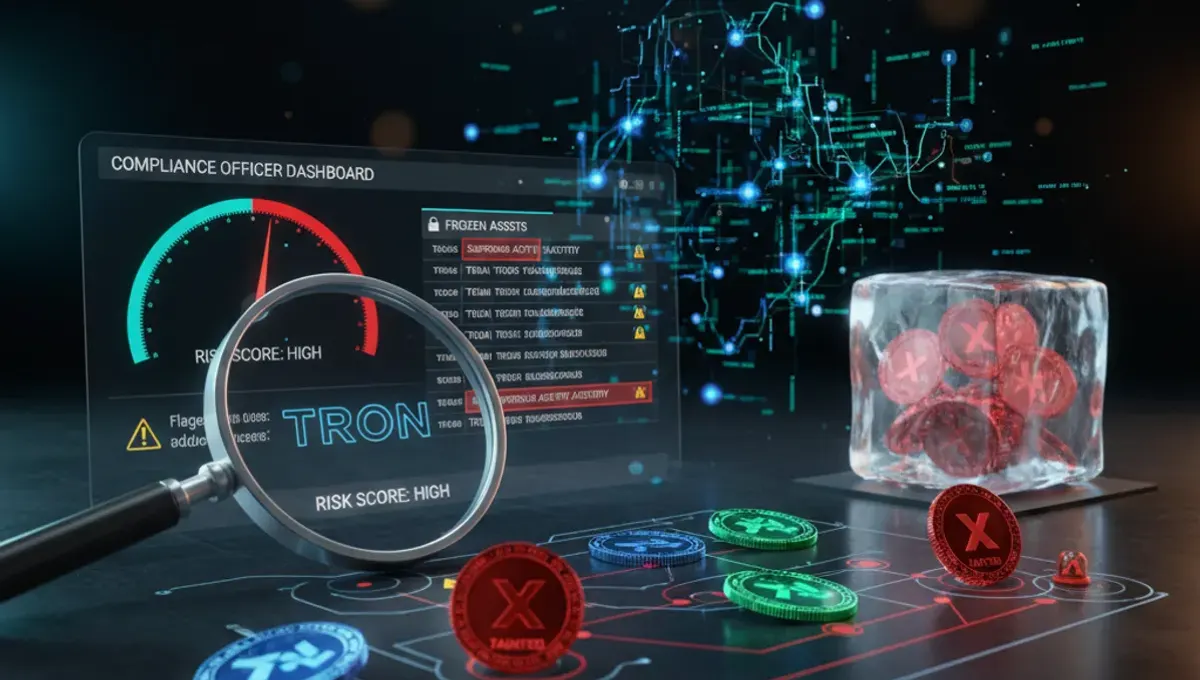
Checking a TRON address before accepting payment protects your exchange account and personal finances from compliance risk. Funds received from addresses linked to darknet markets, theft, sanctions violations, or scams can be flagged as tainted or dirty crypto. If you deposit tainted USDT or TRX into an exchange, the exchange may freeze your account during AML screening, delay withdrawals, or permanently ban you. This is what is AML crypto compliance in practice: exchanges and financial institutions screen incoming funds against known risk databases. A red flag in AML occurs when a wallet shows transaction history with high-risk entities. By checking a TRON address beforehand, you avoid receiving stolen or sanctioned funds. This is especially critical for merchants, traders, and anyone receiving regular crypto payments.
How to Check a TRON Address for AML Risk
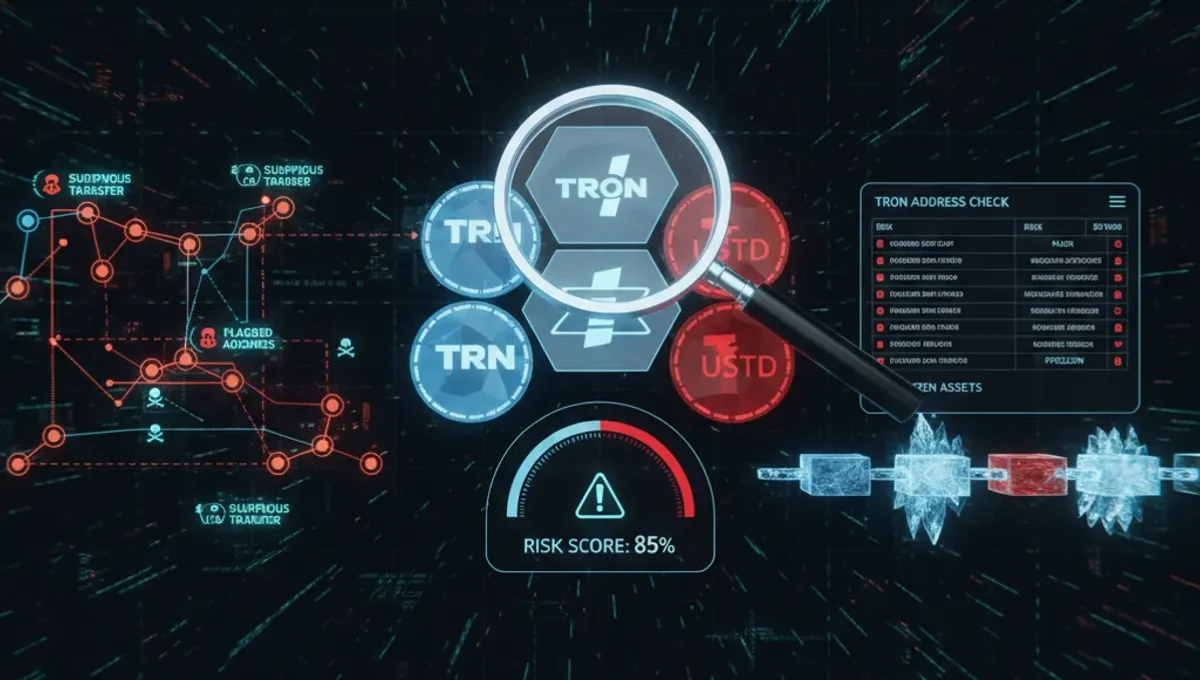
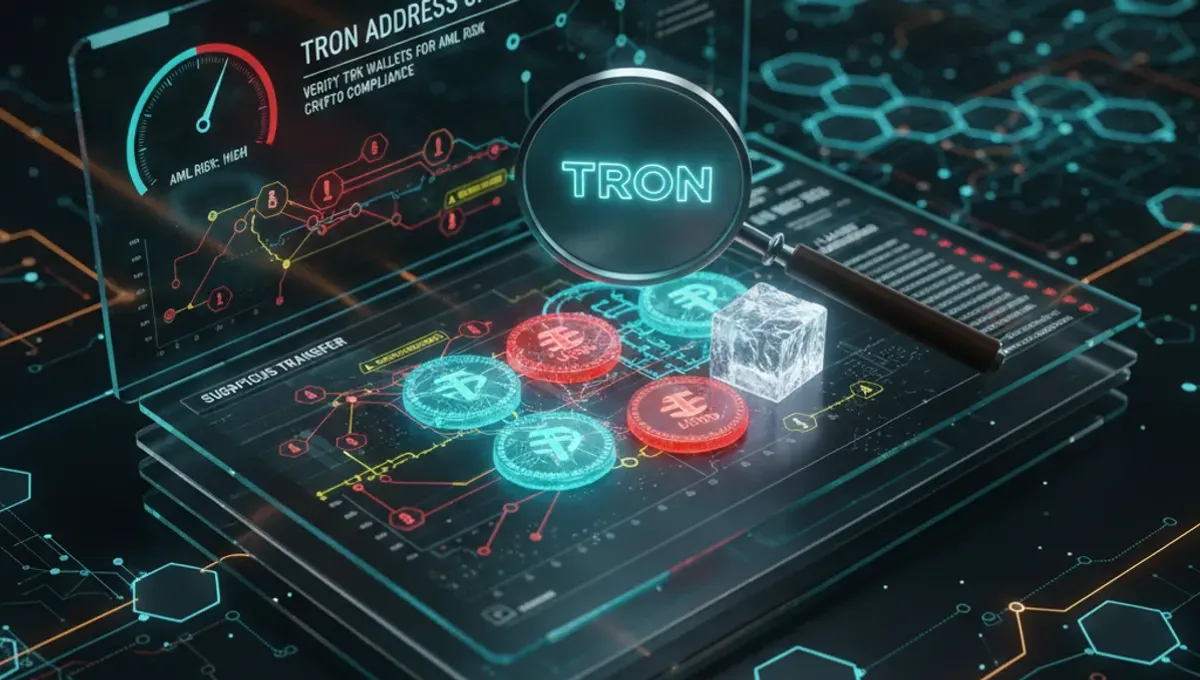
To check a TRON address, follow these steps: First, obtain the full 34-character TRON address (starting with T) from the sender or payment request. Second, use a tron address checker or wallet screening service to scan the address against AML databases. Third, review the risk score and transaction history report. The report will show if the address has received or sent funds to known darknet markets, stolen-funds databases, sanctions lists, or gambling platforms. Most services provide a risk score on a scale (for example, 1–100, where higher numbers indicate greater risk). A low risk score means the address has clean transaction history. A high risk score suggests the address may have received tainted coins or interacted with high-risk entities. Fourth, decide whether to accept the payment based on your risk tolerance and compliance requirements. If the risk score is unacceptable, request payment from a different address or decline the transaction.
Understanding AML Risk Scores and Red Flags
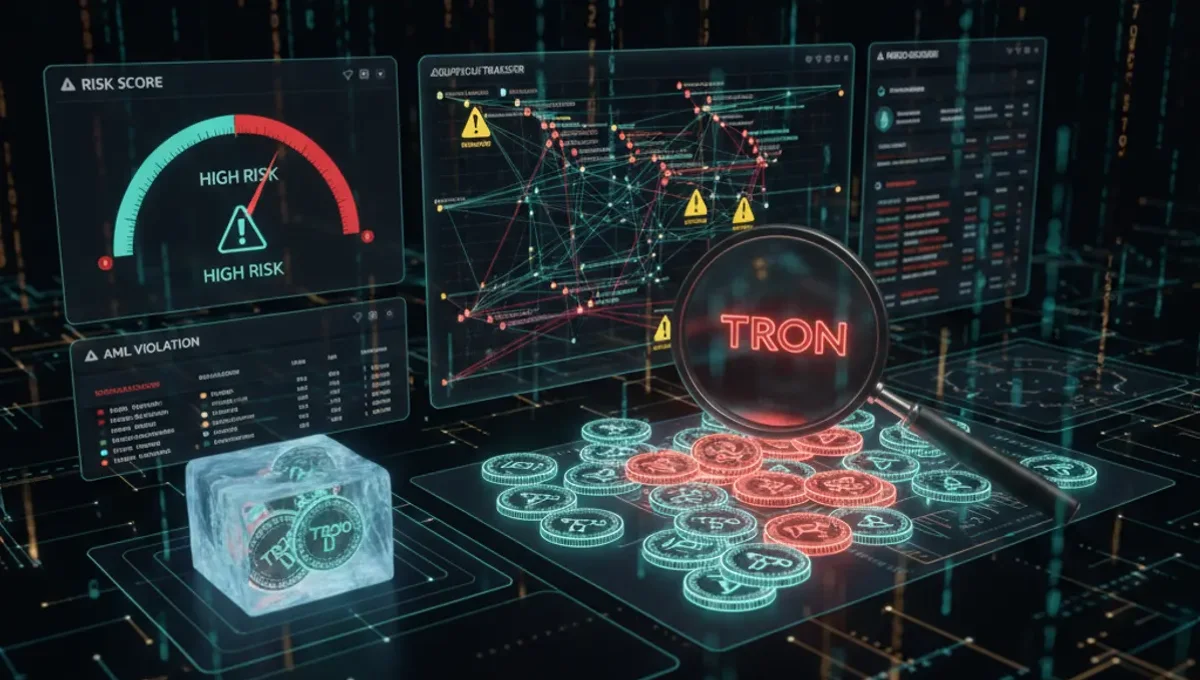
An AML risk score quantifies the likelihood that a TRON address has been involved in illicit activity. Risk scores typically range from low (clean) to high (suspicious). A low risk score indicates the address has minimal or no history of interaction with darknet markets, stolen funds, or sanctions lists. A medium risk score may indicate the address has received funds from a mixer or has some transaction history with moderate-risk entities. A high risk score suggests the address has direct or recent links to darknet markets, theft, sanctions violations, or scams. What is a red flag in AML includes: transactions to or from known darknet marketplaces, rapid movement of large sums through multiple addresses (chain-hopping), interaction with known theft wallets, receipt of funds from sanctioned entities, or sudden spikes in transaction volume. When you check a TRON address, the report will highlight these red flags. If a TRON address check shows multiple red flags, the funds are likely tainted and should not be accepted.
TRON Address Checker Tools and Services
Several services allow you to check a TRON address for AML risk. On-chain analytics platforms scan the TRON blockchain and cross-reference addresses against databases of known darknet markets, theft reports, sanctions lists, and scam wallets. Some services offer free basic checks with limited detail; others charge per query or require a subscription for detailed reports. When choosing a tron address checker, verify that it covers TRON-specific databases and updates its risk data regularly. Look for services that provide clear explanations of risk scores and flag reasons. Our site maintains a curated list of verified AML services that support TRON address screening; checking wallets through trusted services listed there is the safest starting point. Compare the depth of reporting, update frequency, and pricing before committing to a service. Some services also monitor addresses over time, alerting you if a previously clean address later receives tainted funds.
What to Do If a TRON Address Is Flagged as High Risk
If a tron address checker flags an address as high risk, take these steps: First, do not accept payment to that address. Second, contact the sender and ask them to provide an alternative address or explain the high-risk flag. Third, if the sender cannot provide a clean address, decline the transaction entirely. If you have already received funds from a flagged address, do not immediately deposit them into an exchange. Instead, review the detailed risk report to understand the specific red flags. If the funds are linked to theft or sanctions, they may be subject to recovery efforts or legal holds. If you deposit tainted USDT or TRX into an exchange, the exchange's AML screening may freeze your account pending investigation. In some jurisdictions, knowingly receiving stolen crypto can expose you to legal liability. The safest course is to reject high-risk payments upfront and request clean funds from a verified source.
Best Practices for Accepting TRON Payments Safely
To minimize compliance risk when accepting TRON payments, establish a routine: Always request the sender's TRON address in advance and verify it before the transaction. Use a tron address check service to screen the address for AML red flags. Set a risk threshold for your business (for example, accept only low-risk addresses). Document each check and the risk score for your records. If you receive unsolicited payments, check the sending address before depositing funds. For recurring payments, periodically re-check addresses to ensure they remain clean. Educate your customers about your AML requirements and ask them to use verified wallets. If you operate an exchange or payment service, integrate wallet screening into your deposit workflow automatically. Keep your AML service updated with the latest threat databases. By following these practices, you reduce the likelihood of receiving tainted coins and protect your exchange account from freezes or bans.
Frequently asked questions
How do I find my TRON address
Your TRON address is displayed in your wallet app or exchange account under 'Receive' or 'Deposit.' It is a 34-character string starting with T. You can copy and share it with anyone who wants to send you TRX or USDT-TRON. Never share your private key, only your public address.
Can a TRON address be fake or scam
A TRON address itself cannot be fake, but scammers may provide you with their own address and claim it belongs to a legitimate service. Always verify addresses through official channels. Before sending funds, check the address using a tron address checker to confirm it has not been flagged for scam activity.
What happens if I receive tainted USDT on my TRON address
If you receive tainted USDT on your TRON address and deposit it into an exchange, the exchange's AML screening may flag the deposit. Your account could be frozen pending investigation, or the exchange may require you to prove the source of funds. In severe cases, the exchange may ban your account permanently.
Is checking a TRON address free
Some services offer free basic TRON address checks with limited information. Detailed reports with full risk scoring and transaction history typically require a paid subscription or per-query fee. Our curated list of verified AML services includes both free and paid options for wallet screening.
How often should I check a TRON address for AML risk
Check a TRON address before accepting any payment from it. If you receive ongoing payments from the same address, re-check it periodically (monthly or quarterly) to ensure it remains clean. Some AML services offer continuous monitoring for recurring addresses.