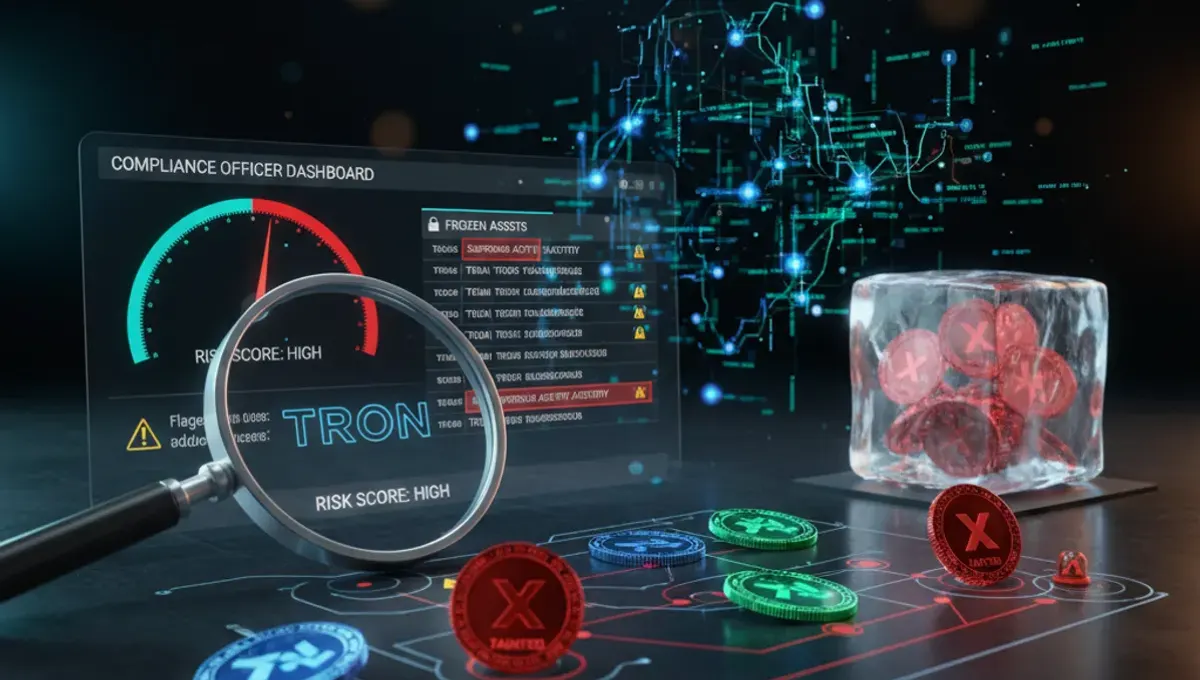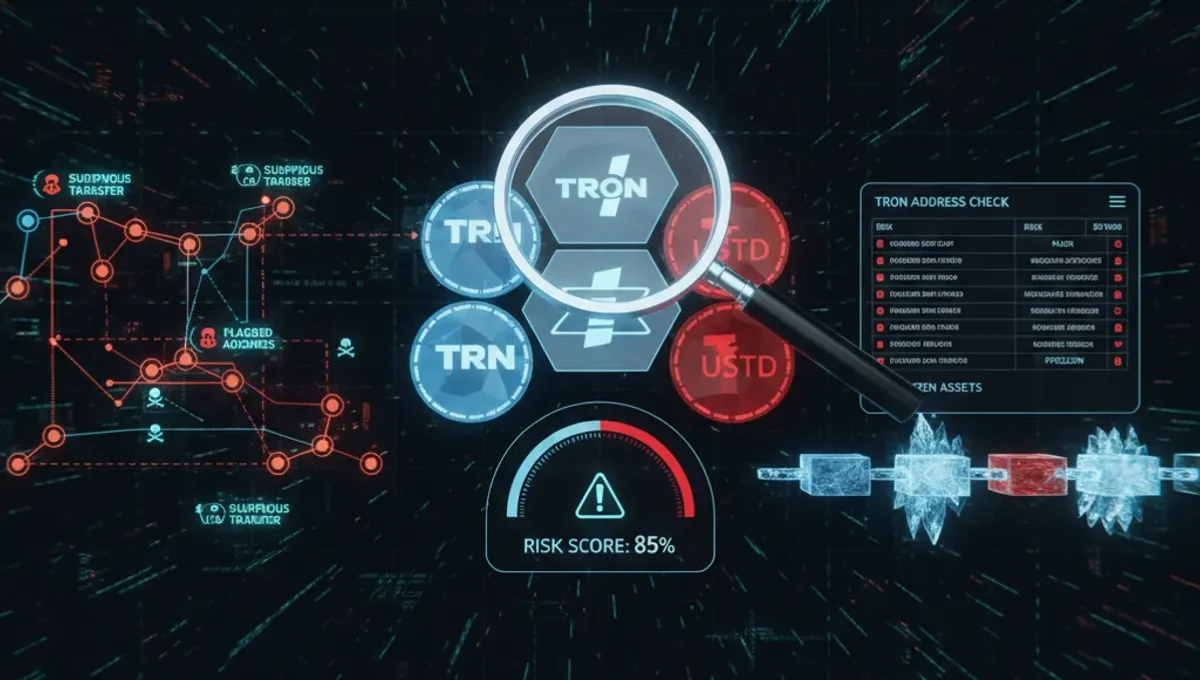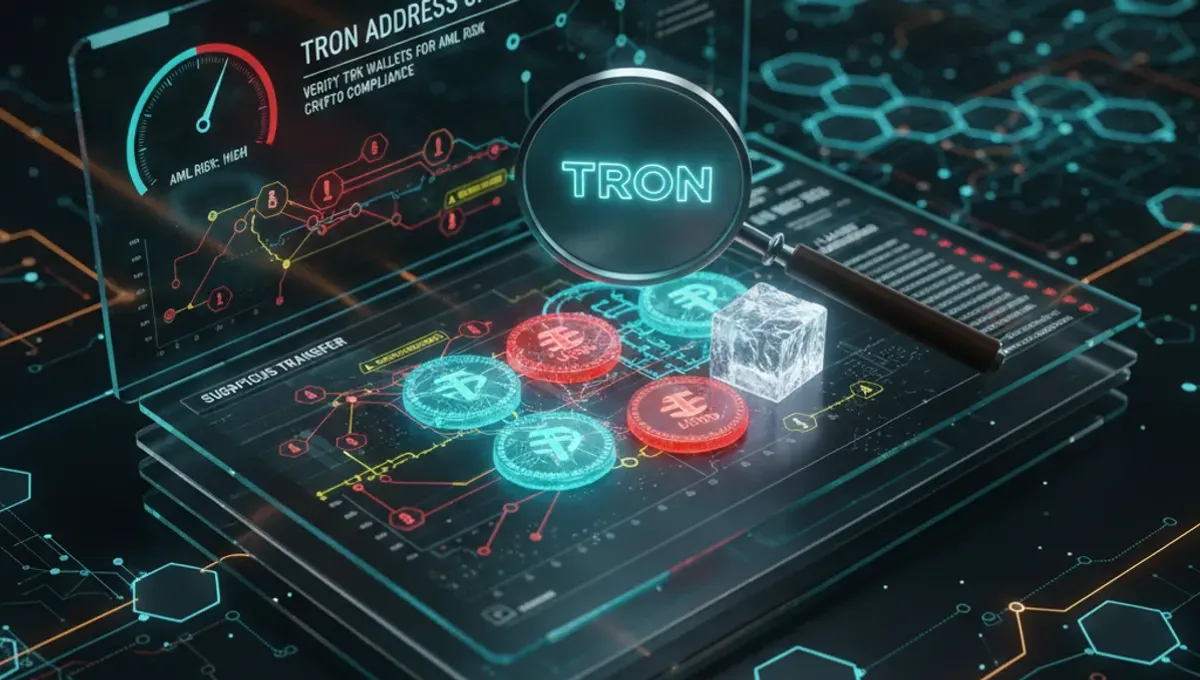
What Is a TRON Address and Why Check It?
A TRON address is a 34-character alphanumeric string starting with 'T' that identifies a wallet on the TRON blockchain. Each address is unique and holds TRX (the native token) or TRC20 tokens like USDT. When you receive cryptocurrency, the sender's address is recorded permanently on the blockchain. If that address has been flagged for illicit activity—such as involvement with mixers, darknet markets, or stolen funds—your exchange may freeze your account or reject deposits. A TRON address lookup screens the wallet against AML (anti-money laundering) databases and blockchain analytics to reveal whether funds are tainted. This is especially critical for USDT on TRON, since stablecoin transfers often trigger stricter compliance reviews by exchanges.
How to Check a TRON Address: Step-by-Step
To check a TRON address for risk, follow these steps:
- Copy the full TRON address (starting with 'T') from the sender or payment request.
- Visit a blockchain explorer or AML screening service (see our curated list of verified AML services on this site for trusted options).
- Paste the address into the search field.
- Review the transaction history, balance, and any risk flags.
- Check the AML risk score if the service provides one.
- Look for labels indicating darknet exposure, mixer usage, scam involvement, or sanctions matches.
- Decide whether to accept the payment based on the risk level.
Do not rely on a single source. Cross-reference the address on multiple services to confirm findings. If a wallet shows high-risk activity, ask the sender for an alternative address or decline the transaction.
What Does a TRON Address Risk Score Mean?
A risk score is a numerical rating (often 0–100 or low/medium/high) that summarizes the likelihood a wallet is connected to illicit activity. Scores are calculated by analyzing transaction patterns, counterparty exposure, and matches against sanctions lists and known darknet wallets.
Risk levels typically break down as follows: - Low (0–20): Minimal exposure; safe to accept. - Medium (21–60): Some exposure to mixers or unverified sources; acceptable for most use cases, but review the specific flags. - High (61–100): Strong signals of darknet, scams, stolen funds, or sanctions; reject unless you have legal guidance.
A medium-risk score does not mean the wallet is illegal—it may simply indicate the address has received funds from a mixer or has limited transaction history. However, exchanges often freeze accounts that receive high-risk USDT or TRX, so err on the side of caution. Always check what specific risk factors are driving the score, not just the number.
Common TRON Address Risk Flags Explained
When you check a TRON address, you may see flags for specific risk categories:
- Darknet exposure: The wallet has received funds from or sent funds to known darknet marketplace addresses.
- Mixer usage: The address interacted with a coin mixer or tumbler, a service designed to obscure transaction trails.
- Scam involvement: The wallet is linked to a known Ponzi scheme, rug pull, or phishing campaign.
- Stolen funds: The address received cryptocurrency from a confirmed theft or hack.
- Sanctions match: The wallet owner or associated entity appears on a sanctions list (OFAC, UN, EU, etc.).
- Gambling: The address has sent or received funds from gambling platforms, which some exchanges restrict.
Each flag carries different weight. Darknet exposure alone does not prove criminality, but it signals elevated risk. Sanctions matches are typically deal-breakers for regulated exchanges. Review the specific flags and their sources before deciding whether to accept payment.
How to Check a TRON Wallet Address Before Accepting USDT
USDT on TRON (TRC20-USDT) is popular because of low fees and fast settlement, but it also attracts compliance scrutiny. Before accepting USDT from a TRON address:
- Verify the sender's address is legitimate (not a typo or phishing attempt).
- Run a TRON address check through a trusted AML service (our verified AML services list on this site includes options with TRON support).
- Look specifically for USDT transaction history and counterparty risk.
- Check whether the address has received USDT from high-risk sources.
- Confirm the address is not on any sanctions list.
- If the risk score is medium or high, ask the sender for clarification or request an alternative payment method.
Many exchanges now require KYT (Know Your Transaction) screening for USDT deposits above certain thresholds. Proactive address checking prevents your account from being flagged or frozen after the fact.
What Happens If You Receive Tainted TRON Coins?
If you receive TRX or USDT from a high-risk TRON address, several outcomes are possible:
- Exchange freeze: Your exchange may lock your account pending investigation if you deposit tainted coins.
- Funds seizure: In rare cases, exchanges or authorities may seize flagged funds.
- Account closure: Repeated deposits of high-risk crypto can result in permanent account suspension.
- Regulatory reporting: Exchanges report suspicious activity to financial intelligence units; you may face inquiries.
- Reputational damage: Your wallet address may be flagged in future transactions.
If this happens, contact your exchange's compliance team immediately with documentation of the transaction and proof that you did not knowingly accept stolen or illicit funds. Cooperation and transparency improve your chances of account recovery. Prevention is far simpler: always check a TRON address before accepting payment.
Choosing a Reliable TRON Address Checker
Not all AML screening services are equal. When selecting a tool to check TRON addresses, look for:
- TRON support: Ensure the service covers TRC20 tokens and TRON-specific risk data.
- Real-time updates: Risk scores should reflect current blockchain data and sanctions lists.
- Transparent methodology: The service should explain how it calculates risk scores and sources its data.
- Multiple data sources: Reputable services cross-reference darknet databases, sanctions lists, and transaction analytics.
- User reviews and track record: Check whether the service is used by exchanges and has a history of accuracy.
- Reasonable pricing: Free checks often have limits; paid tiers should be affordable for regular use.
Our curated list of verified AML services on this site includes options specifically tested for TRON address screening. Starting there is the safest way to find a trusted checker without wasting time on unreliable tools.
Frequently asked questions
How do I know if a TRON address is safe?
Check the address using an AML screening service to see its risk score and any flags for darknet, mixer, scam, or sanctions exposure. A low risk score (0–20) and no major flags indicate a safe address. Cross-reference multiple services to confirm. If you see high-risk flags, ask the sender for clarification or decline the transaction.
What does it mean if a TRON address has darknet exposure?
Darknet exposure means the wallet has received funds from or sent funds to a known darknet marketplace. This does not prove the current owner is involved in illegal activity, but it signals elevated risk. Many exchanges treat darknet exposure as a medium-to-high risk factor and may freeze accounts that receive such funds.
Can I reverse a TRON transaction if I receive tainted coins?
No. TRON transactions are immutable once confirmed on the blockchain. You cannot reverse or undo a transaction. This is why checking a TRON address before accepting payment is critical. If you accidentally receive high-risk funds, contact your exchange immediately and cooperate with their compliance team.
Is it legal to receive USDT from a TRON address with medium risk?
Legality depends on your jurisdiction and the specific risk factors. Medium-risk addresses may have legitimate explanations (e.g., mixer usage for privacy). However, regulated exchanges may still freeze your account. Always review the specific flags and consult legal guidance if unsure. When in doubt, request an alternative payment method.
How often should I check a TRON address?
Check every TRON address before accepting payment, especially for USDT or large TRX amounts. Risk scores can change as new transaction data emerges. If you receive regular payments from the same address, check it periodically to ensure its risk profile has not deteriorated over time.