What Is the AML Check Process and Why It Matters
The AML check process combines blockchain analysis with compliance databases to evaluate the history and origin of cryptocurrency. When you receive USDT, TRX, BTC, or ETH, the funds carry a transaction history. AML screening traces that history backward to identify red flags: mixing services, darknet marketplace addresses, stolen wallet signatures, or sanctioned entity involvement.
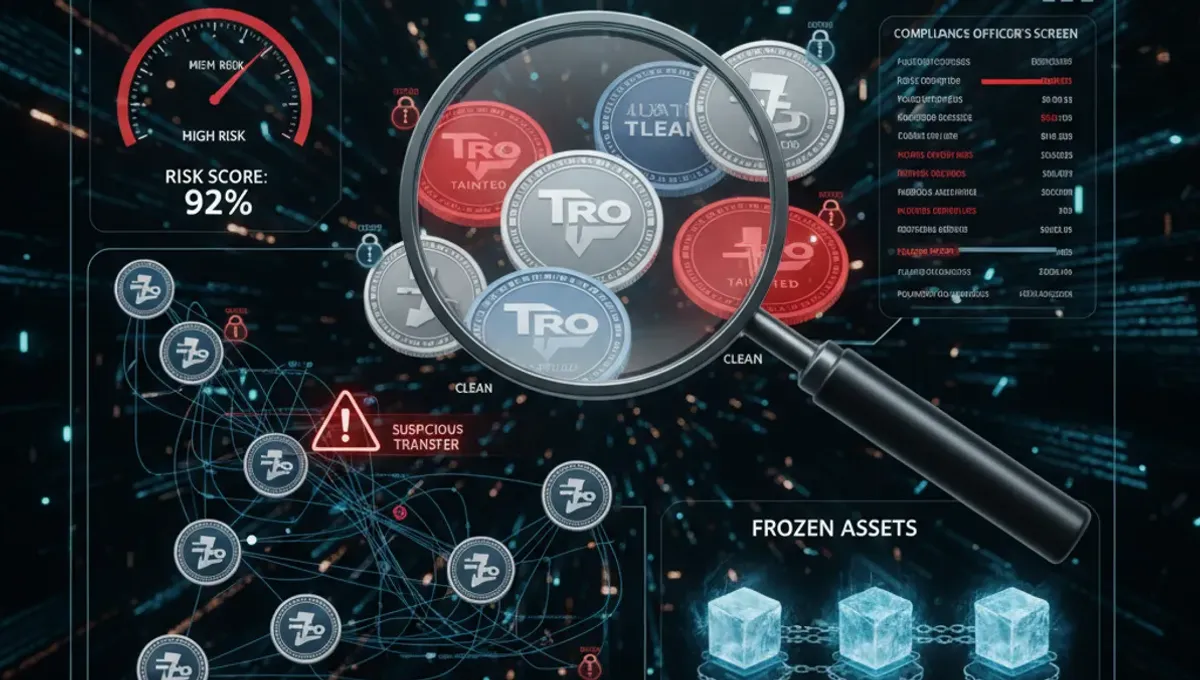
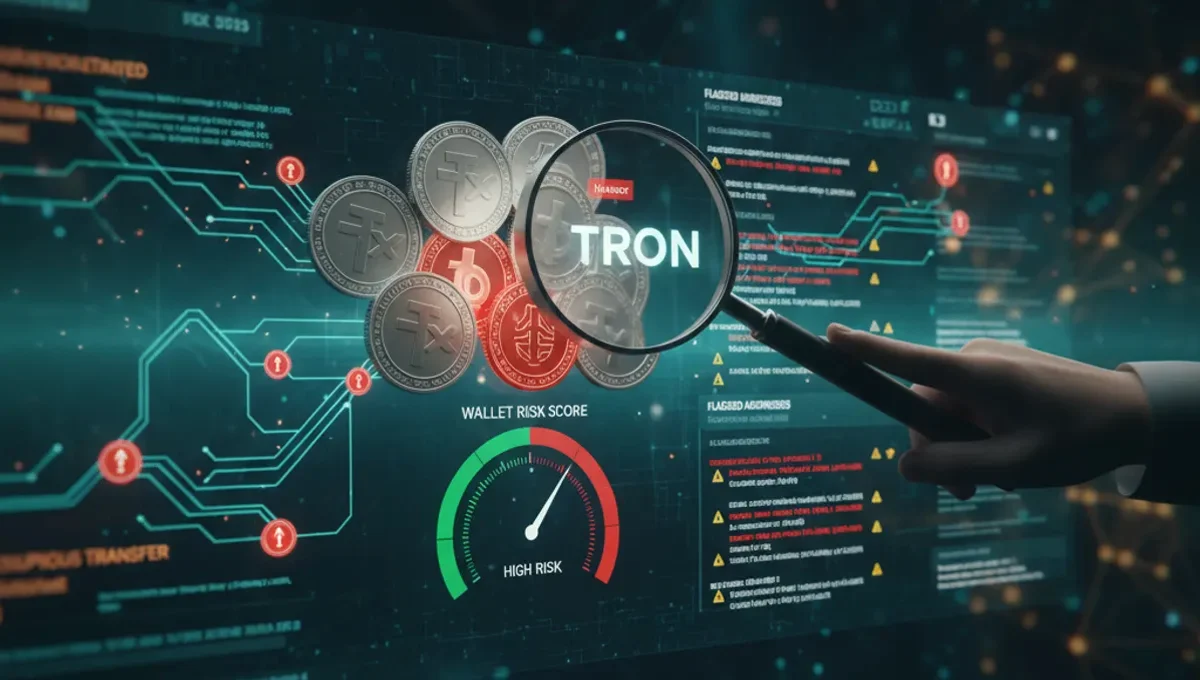
Exchanges and payment processors use this process to comply with anti-money laundering regulations. If you deposit flagged coins, your account may be frozen pending investigation, or funds may be permanently seized. The AML check process protects both you and the platform by catching tainted coins before they enter the system. Risk scores typically range from 1 (clean) to 100 (high risk), though scoring methodologies vary across providers.
How AML Risk Scoring Works in Crypto
Risk scoring in the AML check process assigns a numerical value based on wallet behavior and transaction patterns. Factors include:
- Wallet age and transaction volume
- Direct or indirect links to known darknet markets
- Presence on sanctions lists (OFAC, EU, UN)
- Involvement in scams or Ponzi schemes
- Use of coin mixers or tumblers
- Stolen fund indicators from security breaches
- Gambling platform connections
- Ransomware payment addresses
A score of 1–20 is typically considered low risk and acceptable for most exchanges. Scores of 21–50 warrant caution; you may face delays or additional verification. Scores above 50 are flagged as high risk and often rejected outright. The AML check process evaluates both the immediate sender wallet and the broader transaction chain, sometimes tracing back 5–10 hops to identify the original source.
Step-by-Step AML Check Process for Receiving Crypto
Follow these steps before accepting a crypto payment:
- Obtain the sender's wallet address (TRX, USDT, BTC, or ETH).
- Visit a trusted AML check service listed on our verified AML services directory.
- Enter the wallet address and select the blockchain network.
- Review the risk score and detailed report.
- Check for specific red flags: mixer usage, darknet links, sanctions matches.
- Decide based on your risk tolerance and exchange requirements.
- If acceptable, proceed; if flagged, request an alternative address from the sender.
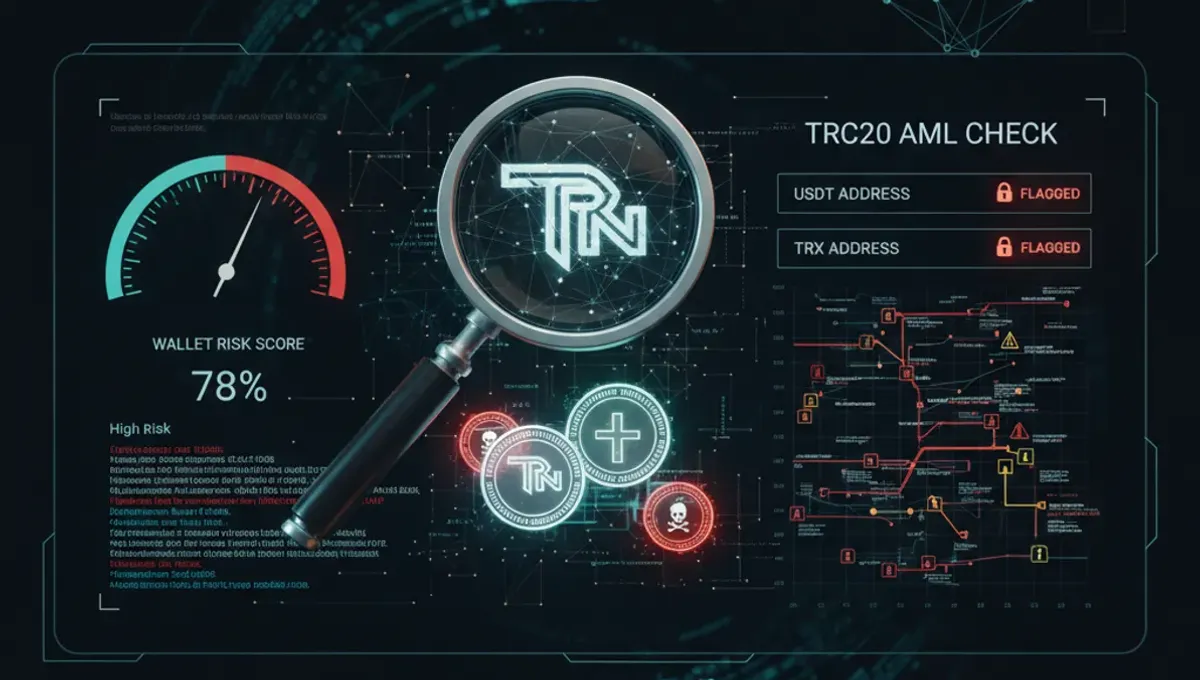
The AML check process typically completes in seconds to minutes. Most services provide a downloadable report for compliance records. If you're receiving USDT on Tron (TRC20) or other tokens, the AML check requirements remain the same—verify the address before accepting funds. Our curated list of verified AML services on this site offers transparent pricing and detailed reporting to support your decision-making.
AML Check Requirements and Compliance Standards
AML check requirements vary by jurisdiction and exchange, but core principles are consistent. Most platforms require:
- Screening against OFAC and international sanctions lists
- Darknet marketplace detection
- Stolen funds database cross-reference
- Transaction monitoring for ongoing compliance
- Documentation of screening results for audit trails
If you operate a crypto business or accept payments regularly, you may need to implement continuous AML check processes, not just one-time screening. Some exchanges require risk scores below a specific threshold (often 20–30) for deposits. Regulatory bodies in the US, EU, and UK have published guidance on acceptable AML screening standards. The AML check process is not optional for institutional users; it's a compliance obligation. Personal users benefit from screening to avoid account freezes and regulatory scrutiny.
What Happens When Coins Are Flagged During AML Check
If the AML check process flags your coins as high risk, several outcomes are possible:
- Exchange rejection: The platform refuses the deposit.
- Account freeze: Funds are held pending investigation, which can last weeks or months.
- Partial seizure: Only flagged amounts are frozen; clean portions may be released.
- Permanent loss: In severe cases (ransomware, theft), funds may be seized by authorities.
If your coins are flagged, you have limited recourse. You cannot "clean" tainted crypto through mixing or layering; modern blockchain analysis detects these tactics. Your best option is to contact the exchange support team and provide documentation of the funds' legitimate origin. However, if the coins genuinely came from a darknet market or stolen wallet, no documentation will help. This is why the AML check process is essential before accepting payment—it prevents you from receiving flagged coins in the first place.
AML Check Fee Considerations and Service Comparison
The AML check fee varies by provider and service tier. Some services offer free single checks with limited reporting; others charge per address or per month. Typical pricing models include:
- Free tier: 1–5 checks monthly with basic risk score only
- Pay-per-check: $1–$10 per address, detailed report included
- Subscription: $20–$100 monthly for unlimited checks and API access
When evaluating AML check services, compare not just fee but also accuracy, database coverage, and reporting detail. A cheaper service may miss darknet links or sanctions matches. Our verified AML services directory on this site lists providers with transparent pricing and proven accuracy. For businesses processing multiple transactions, a subscription model often provides better value than per-check fees. For occasional users, free or low-cost options may suffice if they cover your essential needs: risk score, darknet detection, and sanctions screening.
Best Practices to Avoid Tainted Coins
Protect yourself by following these practices:
- Always run an AML check before accepting crypto from unknown sources.
- Request wallet addresses from trusted, verified contacts only.
- Be skeptical of unsolicited payments or unusually large transfers.
- Use the AML check process as a routine step in your payment workflow.
- Keep records of all AML screening results for compliance and dispute resolution.
- If a sender cannot provide a clean address, decline the payment.
- For business accounts, implement automated AML check processes through API integration.
The AML check process is your first line of defense against regulatory complications and account freezes. By screening proactively, you reduce the risk of receiving stolen funds, ransomware payments, or darknet proceeds. This protects both your financial security and your exchange account standing.
Frequently asked questions
How long does an AML check process take?
Most AML checks complete in seconds to a few minutes. The system queries blockchain data and compliance databases simultaneously. Some detailed reports may take up to 24 hours if manual review is required, but standard automated screening is nearly instant.
What is an acceptable risk score in the AML check process?
Scores of 1–20 are generally considered low risk and acceptable for most exchanges. Scores of 21–50 may trigger additional verification or delays. Scores above 50 are typically rejected. Your exchange may have specific thresholds, so check their requirements.
Can I dispute an AML check result if my coins are flagged?
You can contact your exchange or the AML service provider to request a review, but disputes are rarely overturned unless you provide documentation proving legitimate origin. If coins came from a known darknet market or stolen wallet, no dispute will succeed.
Does the AML check process work the same for USDT, TRX, BTC, and ETH?
Yes, the core process is identical: risk scoring, darknet detection, and sanctions screening apply across all blockchains. However, each blockchain has its own address format and transaction history, so screening tools must support the specific network (Tron for TRX, Ethereum for ETH, etc.).
What is the difference between AML check and KYC?
AML checks screen the crypto itself for risk and origin. KYC (Know Your Customer) verifies your identity and background. Both are compliance requirements, but they serve different purposes. You need both when opening an exchange account and receiving large transfers.