What Is an AML Check Fee and Why Does It Exist?
An AML check fee compensates blockchain analytics providers for maintaining darknet databases, sanctions lists, scam registries, and stolen-funds records. When you submit a wallet address for screening, the service cross-references it against these datasets and generates a risk score. The fee covers the cost of data collection, real-time updates, and compliance infrastructure. Some services offer free basic checks with limited results, while advanced features—such as transaction history analysis, entity identification, and detailed risk reports—require payment. Exchanges and financial institutions typically pass these costs to users or absorb them as part of their compliance budget.
How AML Check Fee Pricing Models Work
AML check services use three main pricing structures. Pay-per-scan charges you for each wallet or transaction you verify, typically $1–$10 per check depending on depth. Subscription plans cost $20–$500+ monthly and include a set number of checks or unlimited access. Enterprise licensing, used by exchanges and large institutions, is custom-priced based on transaction volume and API integration needs. Free tiers exist but usually limit results to basic risk flags without detailed scoring or darknet exposure data. When comparing AML check fees, factor in the number of wallets you screen monthly, the depth of reporting you need, and whether you need real-time API access or one-off manual checks.
AML Check Fee vs. AML Check Crypto Service Value
The true value of an AML check crypto service depends on what risk data you receive for the fee. A $5 AML check fee that screens against darknet markets, stolen-funds databases, and sanctions lists is worth more than a free check that only flags obvious red flags. Premium services justify higher fees by offering transaction tracing, entity clustering, and historical risk scoring. If you receive USDT or TRX regularly, a monthly subscription may cost less per check than pay-per-scan pricing. Evaluate whether the service covers the blockchains you use (Tron, Ethereum, Bitcoin) and whether reports are actionable—a risk score alone is less useful than a breakdown of why a wallet is flagged.
AML Check Process and Fee Transparency
A transparent AML check process should clearly state its fee upfront before you submit a wallet. Most services display pricing on their website and show what you get for each tier. The AML check process itself typically takes seconds to minutes: you paste a wallet address, the service queries its databases, and a risk report is generated. Some providers charge the fee only if a risk is detected; others charge per submission regardless of outcome. Before paying an AML check fee, verify that the service covers your use case—checking a TRX address requires Tron blockchain expertise, while USDT screening needs coverage of both Ethereum and Tron networks. Our curated list of verified AML services on this site includes transparent pricing and feature comparisons to help you choose.
AML Check Requirements and Hidden Costs
AML check requirements vary by jurisdiction and your role (individual, merchant, exchange). If you operate a crypto business, regulatory bodies may require you to perform AML checks on customer deposits—meaning you absorb the AML check fee as a compliance cost. Some services bundle AML fees with KYC (know-your-customer) screening or transaction monitoring, increasing total cost. API integration for automated checks may incur setup fees or higher per-transaction rates. Hidden costs include data storage, report archiving, and audit trails required for compliance documentation. Calculate your total compliance budget by estimating monthly wallet checks, required reporting depth, and whether you need historical data retention.
AML Check Tron and Multi-Chain Fee Considerations
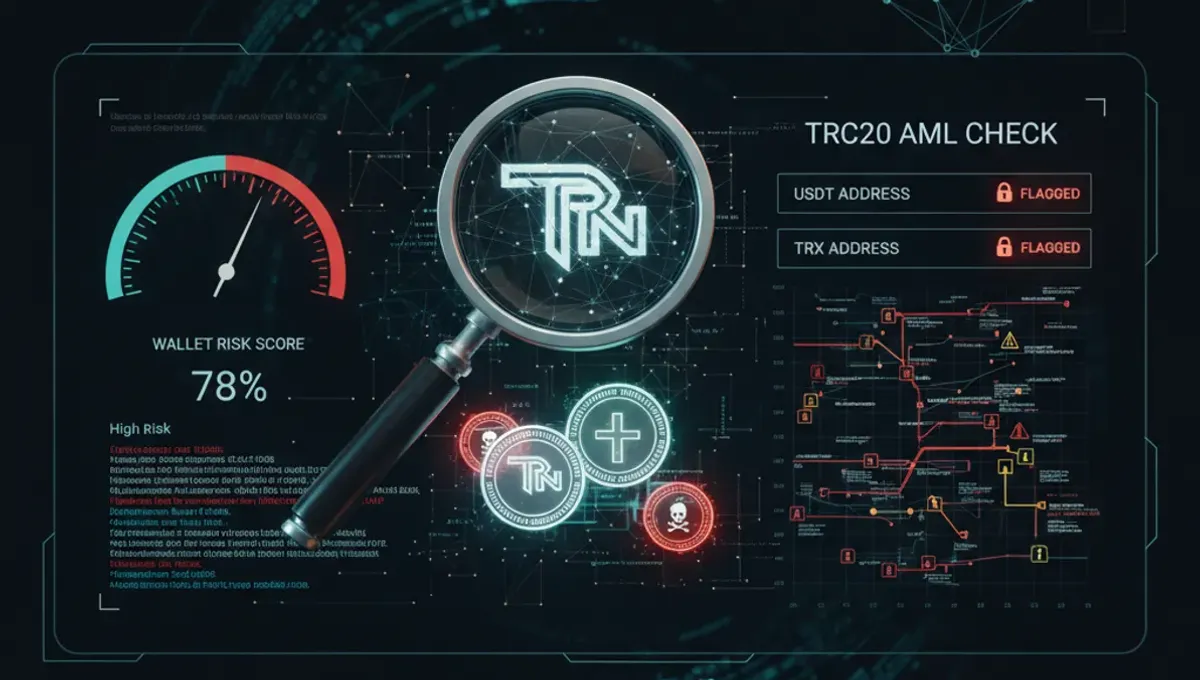
Screening a Tron address (TRX or USDT on TRC20) may cost the same as checking Bitcoin or Ethereum, but not all AML services support all blockchains equally. Some charge per-chain fees or bundle multi-chain screening into premium tiers. An AML check Tron address is critical because Tron hosts high volumes of USDT and is a common route for stolen or sanctioned funds. If you receive payments across multiple blockchains, a service that covers Bitcoin, Ethereum, and Tron with a single fee is more cost-effective than paying separate AML check fees for each chain. Verify that your chosen service updates Tron darknet and scam databases regularly, as Tron-specific risk data lags behind Bitcoin and Ethereum in some providers.
Avoiding Unnecessary AML Fees and Choosing the Right Service
Start by assessing your actual need: a one-time check of a single wallet may not justify a monthly subscription, while regular merchant activity does. Free AML checks are useful for initial screening, but they typically lack darknet exposure and stolen-funds data—you may need a paid check to catch tainted coins. Batch-checking multiple addresses sometimes qualifies for volume discounts. Before committing to an AML check fee, test a service's free tier or trial to confirm it covers your blockchains and risk categories. Our verified AML services list includes options with transparent pricing, free trials, and clear feature breakdowns so you can compare AML check fees without guessing. Paying a small AML fee upfront is far cheaper than having your exchange account frozen or receiving stolen USDT.
Frequently asked questions
How much does an AML check fee typically cost?
AML check fees range from free basic scans to $1–$10 per individual check, or $20–$500+ monthly for subscriptions. Enterprise plans are custom-priced. Cost depends on blockchain coverage, database depth, and whether you need API access or manual checks. Free tiers usually lack darknet and stolen-funds data.
Do I have to pay an AML check fee every time I verify a wallet?
Not necessarily. Free AML checks exist but offer limited results. Pay-per-scan services charge per submission. Subscriptions include a set number of checks monthly. If you verify wallets infrequently, a free or pay-per-scan option may be cheaper than a monthly subscription.
Is an AML check fee worth it for checking a single USDT or TRX address?
Yes, if the fee is low ($1–$5) and the service covers Tron and Ethereum. Catching tainted USDT or a stolen TRX address before accepting it prevents exchange account freezes and compliance violations. A small upfront fee is cheaper than losing funds or facing regulatory action.
Can I avoid AML check fees by using free services only?
Free services provide basic screening but typically miss darknet exposure, stolen-funds databases, and detailed risk scoring. You may accept compromised coins unknowingly. Paid AML checks offer deeper analysis and are essential for merchants and exchanges handling regular deposits.
Do AML check fees differ between blockchains like Bitcoin, Ethereum, and Tron?
Most services charge the same AML check fee regardless of blockchain, but not all support all chains equally. Tron-specific risk data may be less comprehensive than Bitcoin or Ethereum. Verify that your chosen service updates Tron darknet and scam databases regularly before paying.