What Is an AML Check for Crypto Wallets?
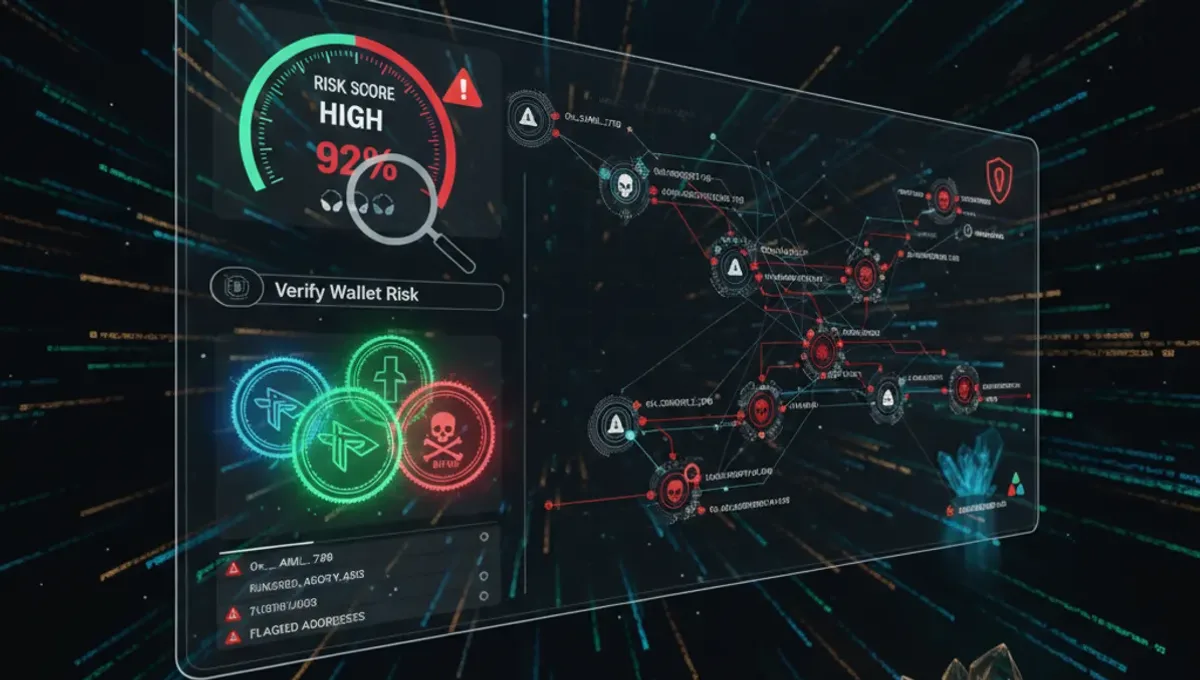
An AML (Anti-Money Laundering) check for crypto wallets is a compliance screening that flags high-risk addresses. The check compares a wallet address against multiple databases: darknet marketplace records, stolen cryptocurrency lists, sanctions-designated entities, and known scam wallets. When you submit a wallet address, the screening tool returns a risk score and a detailed report of any red flags. A low risk score means the address has minimal exposure to illicit activity. A high risk score indicates the wallet has received or sent funds linked to mixers, ransomware, theft, or other illegal sources. Exchanges and payment processors use AML checks to prevent receiving tainted coins, which can result in frozen accounts and regulatory penalties. The check typically covers the wallet's transaction history on the blockchain, not the owner's identity—that's KYC (Know Your Customer).
How Does the AML Check Process Work?
The AML check process follows these steps:
- Submit the wallet address (Bitcoin, Ethereum, USDT, Tron, or other blockchains).
- The screening tool queries blockchain analytics databases and sanctions lists.
- The system traces the wallet's transaction history and identifies linked addresses.
- Risk factors are scored: mixer usage, darknet connections, stolen fund markers, and sanctioned entity links.
- A risk score is generated (typically low, medium, or high).
- A detailed report shows which risk categories triggered flags and transaction patterns.
The entire process usually completes in seconds to minutes. Most services scan the wallet's entire on-chain history, not just recent transactions. This means even old illicit activity can surface. The AML check requirements vary by jurisdiction and exchange, but most regulated platforms require screening before accepting large transfers or enabling withdrawals.
Understanding AML Risk Scores and What They Mean
Risk scores quantify the likelihood that a wallet has been involved in illicit activity. Most services use a scale from 0–100 or low/medium/high categories.
Low Risk (0–20): The wallet shows minimal exposure to darknet, mixers, or stolen funds. Safe to accept payment.
Medium Risk (21–60): The wallet has some exposure to risky activity—perhaps a mixer interaction or a connection to a flagged address. Review the detailed report before accepting.
High Risk (61–100): The wallet is directly linked to darknet markets, ransomware, theft, or sanctions lists. Do not accept payment; report to your exchange.
Acceptable thresholds depend on your business. Exchanges typically reject anything above 50. Payment processors may accept medium-risk wallets if the transaction amount is small. If you receive a high-risk wallet address, contact your compliance team or the sender to clarify the source of funds. Some wallets show medium risk due to legitimate privacy tool usage; context matters.
Step-by-Step: How to Check a Crypto Wallet Address
To perform an AML check on a wallet before accepting payment:
- Copy the wallet address (ensure it matches the sender's stated address exactly).
- Visit a trusted AML screening service. Our curated list of verified AML services on this site includes tools that screen wallets across Bitcoin, Ethereum, USDT, Tron, and other blockchains.
- Paste the address into the search field.
- Select the blockchain if prompted (Bitcoin, Ethereum, Tron, etc.).
- Click "Check" or "Scan."
- Review the risk score and report within seconds.
- Check the detailed findings: any mixer usage, darknet links, stolen fund markers, or sanctions flags.
- If the score is low or acceptable for your threshold, proceed. If high, decline the payment or escalate to compliance.
Always verify the address format matches the blockchain. A Tron address starts with T; Ethereum and USDT addresses start with 0x. Bitcoin addresses start with 1, 3, or bc1. Pasting an address into the wrong blockchain tool will return an error.
Common Risk Categories: Darknet, Mixers, Stolen Funds, and Sanctions
AML checks flag wallets based on specific risk categories:
Darknet Exposure: The wallet has received or sent funds to known darknet marketplace addresses (Silk Road successor sites, illegal goods markets, etc.). High-risk indicator.
Mixer Usage: The wallet has interacted with coin mixers or tumblers designed to obscure transaction trails. Moderate to high risk, depending on mixer type and amount.
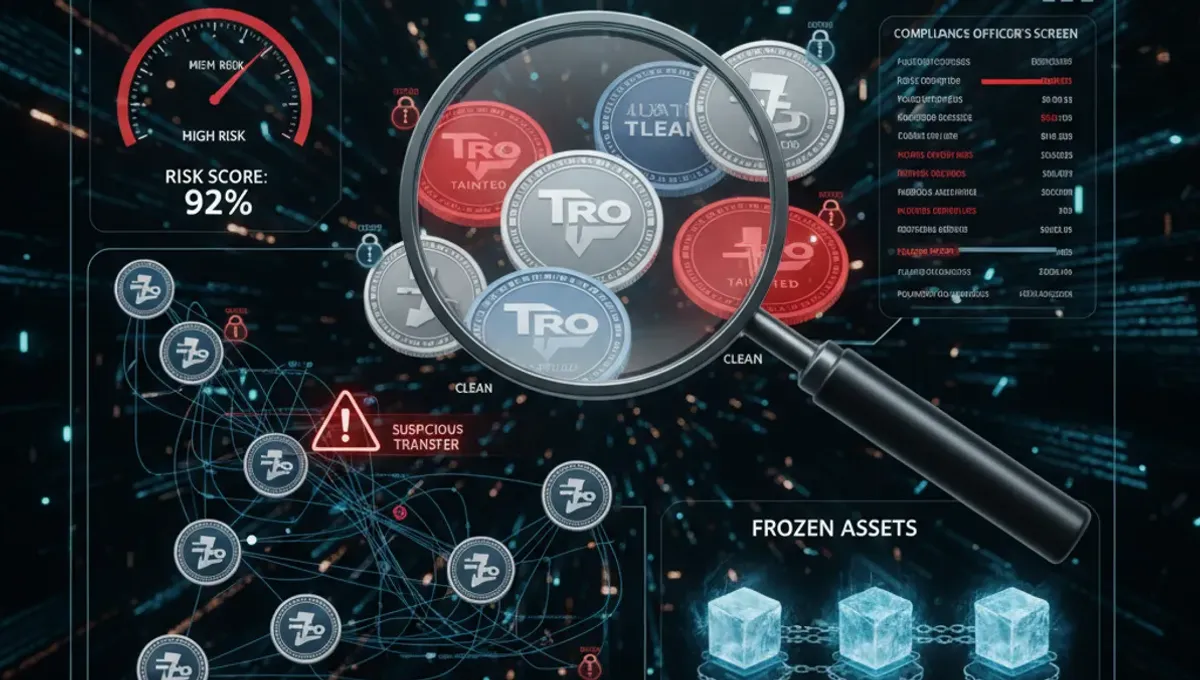
Stolen Funds: The wallet received cryptocurrency from a known theft, hack, or ransomware attack. Critical risk; exchanges will freeze these coins.
Sanctions Lists: The wallet is linked to a sanctioned entity, country, or individual under OFAC or similar restrictions. Legal liability; do not accept.
Gambling: The wallet has sent or received funds from gambling platforms. Low to moderate risk depending on jurisdiction and platform.
Scam Markers: The wallet is associated with Ponzi schemes, rug pulls, or known scam projects. High risk.
Each category contributes to the overall risk score. A wallet with mixer usage and a single darknet link might score medium risk. A wallet with direct ransomware proceeds will score high.
What Happens If You Receive Tainted Coins?
If you accept a payment from a high-risk wallet and deposit it into your exchange account, several outcomes are possible:
Account Freeze: The exchange's compliance team detects the tainted coins during their own AML screening and freezes your account pending investigation.
Forced Withdrawal: You may be required to send the coins back to the original sender or to a compliance-approved address.
Account Closure: In severe cases (direct ransomware or sanctions links), the exchange may permanently close your account and report the activity to regulators.
Regulatory Reporting: The exchange files a Suspicious Activity Report (SAR) with financial authorities.
Reputational Damage: Your business may be flagged in industry databases, making it harder to open accounts at other exchanges.
The best defense is to screen wallets before accepting payment. If a sender insists on using a high-risk address, ask them to send from a clean wallet instead. Most legitimate senders can do this. If they refuse, decline the transaction.
How to Avoid Receiving Tainted Crypto and Protect Your Exchange Account
Practical steps to minimize risk:
1. Screen every wallet before accepting payment. Use the verified AML services listed on our AML Services page. Make it part of your payment workflow.
2. Set a risk threshold. Decide in advance: will you accept medium-risk wallets for small amounts? Will you reject anything above low risk? Document your policy.
3. Request clean wallets. If a sender's address flags as high-risk, ask them to send from a different wallet. Legitimate businesses can do this.
4. Verify address format. Confirm the blockchain and address format match the currency. A typo can send funds to the wrong chain.
5. Use dedicated receiving addresses. Don't reuse personal wallets for business payments. Segregate funds by source.
6. Monitor your exchange account. If deposits are rejected or flagged, contact the exchange immediately to clarify.
7. Keep records. Document which wallets you screened, the risk scores, and your decision to accept or reject. This protects you in audits.
Regular AML checks are now standard practice among regulated exchanges and payment processors. Treating them as routine—not optional—keeps your account safe.
Frequently asked questions
How much does an AML check cost?
AML check fees vary by service. Many providers offer free checks for single addresses with basic risk scoring. Premium plans with detailed reports, batch screening, or API access typically cost between a few dollars per check to monthly subscriptions. Check the verified AML services on our site for current pricing and free tier limits.
Can I check a Tron wallet address for AML risk?
Yes. Most AML screening tools support Tron (TRX and USDT-TRC20) addresses. Tron addresses start with T. Submit the address to any service that lists Tron support. The screening process is identical to Bitcoin or Ethereum: the tool scans the address's transaction history and flags darknet, mixer, or theft links.
What does a medium-risk AML score mean for my payment?
A medium-risk score (typically 21–60) indicates the wallet has some exposure to risky activity—perhaps mixer usage or a connection to a flagged address—but no direct darknet or theft markers. Many exchanges accept medium-risk wallets for small amounts. Review the detailed report to understand the specific flags, then decide based on your risk tolerance and transaction size.
How long does an AML check take?
Most AML checks complete in seconds to a few minutes. The screening tool queries blockchain data and sanctions databases in real time. Some detailed reports with full transaction tracing may take longer, but basic risk scoring is nearly instant. Plan for AML checks as part of your payment acceptance workflow.
What should I do if a wallet I received payment from is flagged as high-risk?
Do not deposit the coins into your exchange account. Contact the sender and ask them to resend from a clean wallet. If they refuse or the transaction is already in your account, contact your exchange's compliance team immediately. Explain the situation and ask for guidance. Frozen accounts are easier to prevent than to unfreeze.