What Is a Crypto AML Check and Why Does It Matter
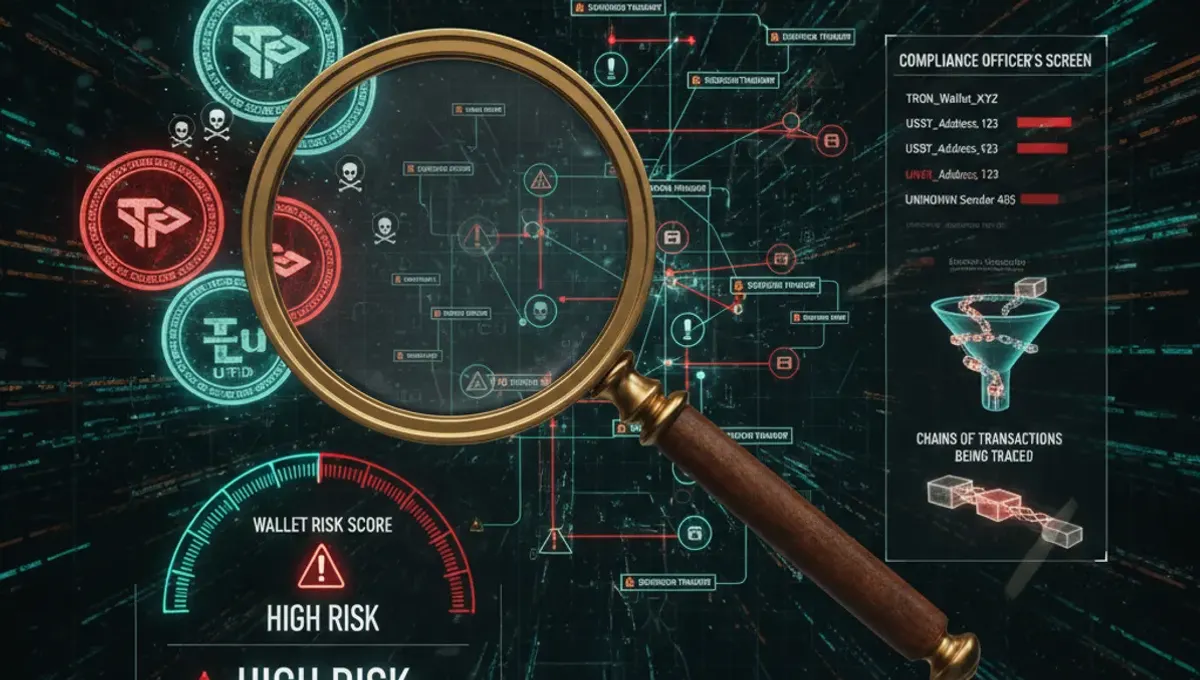
An AML (anti-money laundering) check for crypto is a blockchain screening that flags wallet addresses linked to illicit activity, sanctions lists, or high-risk behavior. When you receive cryptocurrency from an unknown source, that address may have a history of mixing, darknet transactions, or stolen funds. Exchanges and custodians use AML checks to comply with financial regulations and avoid processing tainted coins. If your exchange detects that incoming funds originated from a flagged address, your account can be frozen, your USDT locked, and your withdrawal privileges revoked. A free AML crypto check before accepting payment lets you decide whether to proceed with the transaction or reject it. This is especially critical for businesses, traders, and anyone holding accounts on regulated exchanges.
How AML Risk Scoring Works for Crypto Wallets
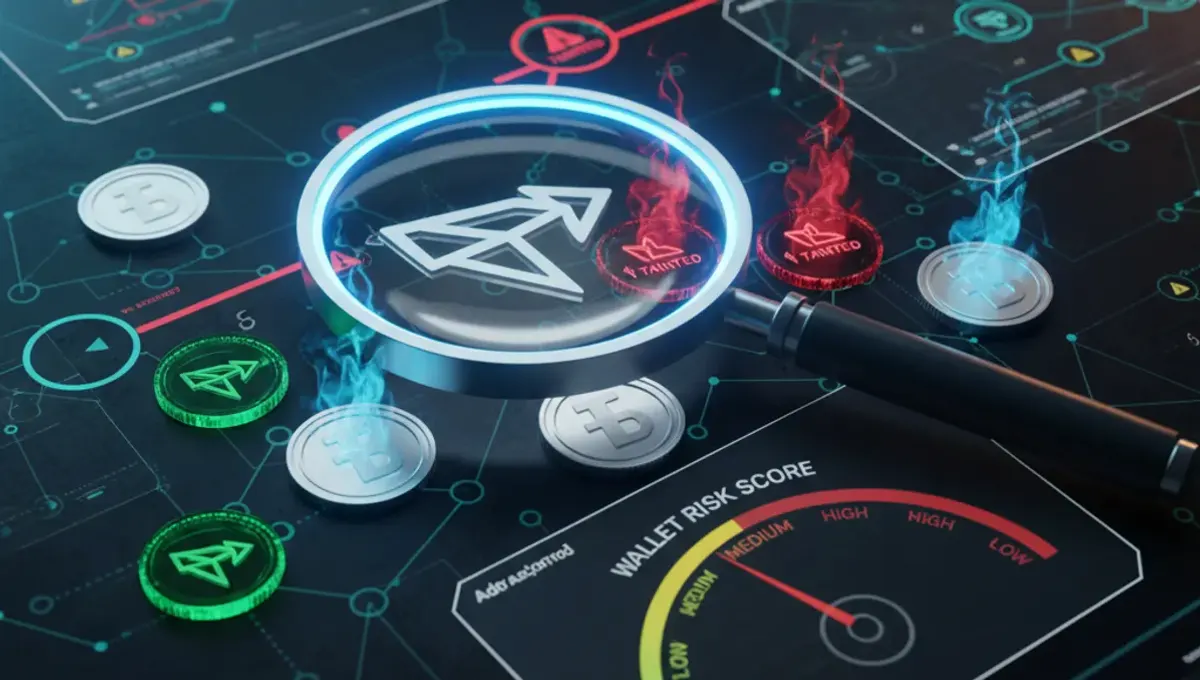
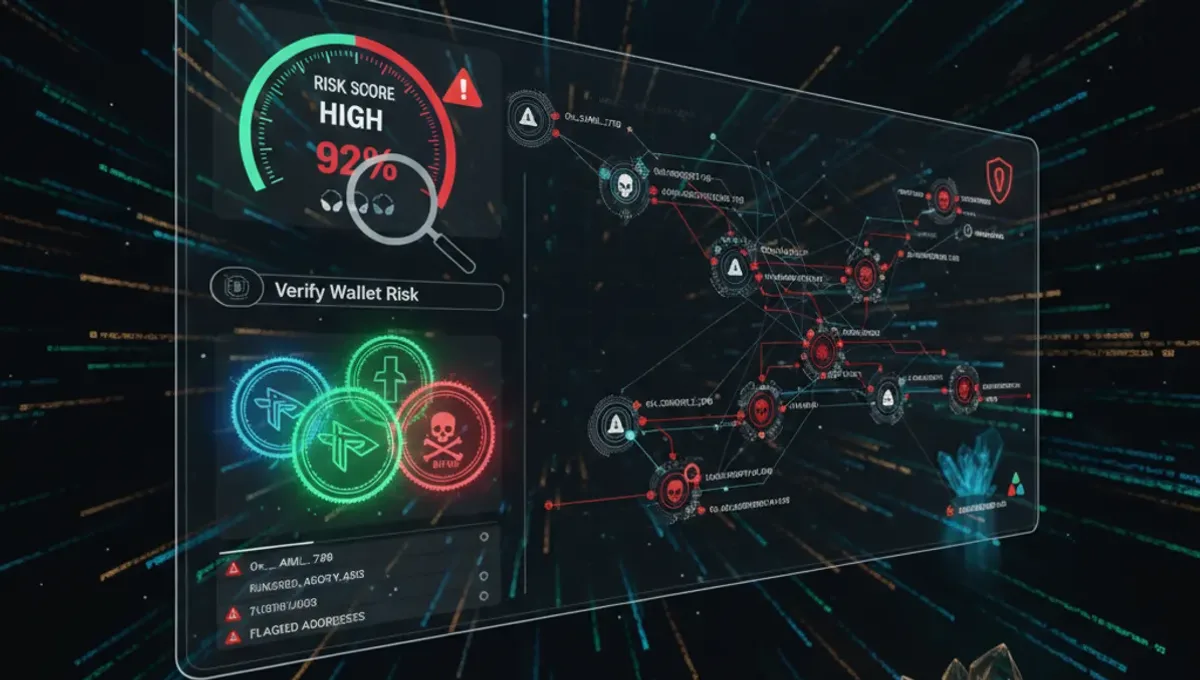
AML risk scores rank wallet addresses on a scale, typically from low (clean) to high (flagged). A low-risk score means the address has minimal darknet exposure, no known scam associations, and no sanctions flags. A medium-risk score may indicate the address has interacted with mixers or has some transaction history that warrants caution. A high-risk score signals the address is linked to stolen funds, darknet markets, gambling platforms, or sanctioned entities. Risk scoring algorithms analyze on-chain transaction patterns, wallet age, fund sources, and cross-reference against known illicit databases. Each AML check service uses its own scoring methodology, so results may vary slightly between providers. Understanding your risk tolerance helps you decide which score threshold is acceptable for your business. Many exchanges set their own thresholds and will reject deposits from addresses scoring above a certain level.
Step-by-Step: How to Check a Crypto Address Online
To run an AML check on a crypto wallet address:
- Copy the wallet address (TRX, USDT, BTC, ETH, or other token) you want to verify.
- Visit a trusted AML screening service listed on our verified AML Services page.
- Paste the address into the search field and select the blockchain network (Tron, Ethereum, Bitcoin, etc.).
- Click 'Check' or 'Scan' and wait for the results.
- Review the risk score, flagged categories (if any), and transaction history summary.
- Check for specific red flags: mixer interactions, darknet marketplace links, stolen fund warnings, or sanctions list matches.
- Decide whether to accept the payment based on the risk level and your compliance policy.
Most online AML checks return results in seconds. Some services offer free basic checks with limited detail; others charge per scan or require a subscription for detailed reports. Starting with our curated list of verified AML services ensures you're using tools that maintain current darknet and scam databases.
What Risk Score Levels Mean and When to Reject a Payment
Risk score interpretation depends on your business model and exchange requirements:
Low Risk (0–20%): Address shows minimal illicit activity. Safe to accept for most use cases.
Medium Risk (21–50%): Address has some mixer interactions or unverified transaction history. Acceptable if you have higher risk tolerance; many exchanges will process these.
High Risk (51–100%): Address is flagged for darknet exposure, stolen funds, sanctions, or scam association. Most exchanges will reject or freeze deposits from high-risk addresses.
If an address scores high-risk, your exchange may automatically block the deposit, or your account may be flagged for manual review. In either case, the funds can be frozen for weeks or permanently. Rejecting a payment from a high-risk address upfront is faster and safer than dealing with a frozen account later. Some businesses set their threshold at medium-risk and require additional verification; others accept only low-risk addresses. Document your policy and apply it consistently.
Common Red Flags: Darknet, Mixers, Scams, and Stolen Funds
When you run an AML check, watch for these specific risk categories:
Darknet Marketplace Links: Address has received or sent funds to known darknet markets. This is a primary reason exchanges freeze accounts.
Mixer Usage: Wallet has interacted with coin mixers or tumblers designed to obscure transaction origins. Mixers are legal tools but signal intent to hide fund sources.
Stolen Funds: Address is flagged in theft or hack databases. Accepting stolen crypto makes you liable and invites law enforcement scrutiny.
Scam Association: Address is linked to Ponzi schemes, rug pulls, or phishing campaigns.
Sanctions Exposure: Wallet belongs to or has transacted with sanctioned entities or countries under financial restrictions.
Gambling Platforms: Some exchanges flag addresses tied to high-volume gambling activity as higher-risk.
Any of these flags should prompt you to reject the payment or escalate to your compliance team. Our verified AML services list includes tools that clearly identify these categories in their reports.
What Happens If Your Received Crypto Is Flagged as Dirty
If you accept a payment and later discover the address was flagged, or if your exchange detects tainted coins in your account:
- Your exchange may freeze the deposit pending review.
- Your account could be locked for 24 hours to several weeks.
- You may be required to provide proof of the transaction source and your due diligence.
- The exchange may permanently reject the funds and close your account if they determine you knowingly accepted illicit crypto.
- In severe cases (sanctions or darknet links), your account may be reported to financial authorities.
Preventing this is far simpler than recovering from it. Running a free AML crypto check before accepting payment takes seconds and eliminates most risk. If you receive a large or unexpected payment, always verify the address first. Document your AML check results for your records; this demonstrates you performed due diligence if your exchange questions the deposit later.
Choosing a Trusted AML Check Service
Not all AML check tools are equal. Some use outdated databases, others lack coverage for specific blockchains like Tron, and some charge excessive fees. When selecting an AML check service, look for:
- Current Darknet Databases: The service should update its illicit address lists regularly.
- Multi-Blockchain Support: Coverage for TRX, USDT, BTC, ETH, and other major networks.
- Clear Risk Scoring: Transparent methodology so you understand how scores are calculated.
- Free or Low-Cost Options: At least a basic free AML check for individual users.
- Fast Results: Screening should complete in seconds, not hours.
- Detailed Reports: Flagged categories, transaction history, and confidence scores.
Our AML Services page curates verified providers that meet these standards. Starting there ensures you're using tools trusted by exchanges and compliance teams, rather than experimenting with untested services that may miss critical red flags or provide inaccurate data.
Frequently asked questions
Is there a free AML crypto check online
Yes. Many AML screening services offer free basic checks for individual wallet addresses. Free versions typically show a risk score and major red flags but may lack detailed transaction history or advanced analytics. For frequent checks or business use, paid subscriptions provide faster results and more comprehensive reports. Our verified AML Services page lists providers offering free options.
How long does an AML check on a crypto address take
Most online AML checks complete in seconds to under a minute. The screening tool queries its database against the wallet address and returns a risk score and flagged categories almost instantly. If a check takes longer than a few minutes, the service may be overloaded or experiencing technical issues. Reputable providers prioritize speed so you can verify addresses in real time before accepting payment.
What does a high AML risk score mean for my crypto wallet
A high AML risk score (typically 51–100%) indicates your wallet address has been flagged for darknet exposure, stolen funds, sanctions, or scam association. If you receive funds from a high-risk address, your exchange is likely to freeze the deposit and may close your account. If your own address is flagged, you may face withdrawal restrictions or account suspension. Avoid accepting payments from high-risk addresses to protect your exchange account.
Can I check a USDT or TRX address for AML risk before accepting it
Yes. Most AML check services support USDT (on Ethereum and Tron) and TRX addresses. Simply paste the wallet address, select the correct blockchain network, and run the scan. The tool will screen the address against darknet, scam, and sanctions databases and return a risk score. This is essential before accepting large USDT or TRX transfers, as tainted stablecoins are a common reason for frozen exchange accounts.
What should I do if an AML check flags my wallet address
If your own address is flagged, contact your exchange support immediately and provide context for the flagged activity. If the flag is a false positive, the exchange may review and clear it. If the flag is accurate (e.g., you received stolen funds unknowingly), you may face account restrictions. Going forward, only accept payments from verified, low-risk addresses. Use our verified AML Services page to screen incoming wallets before accepting transfers.