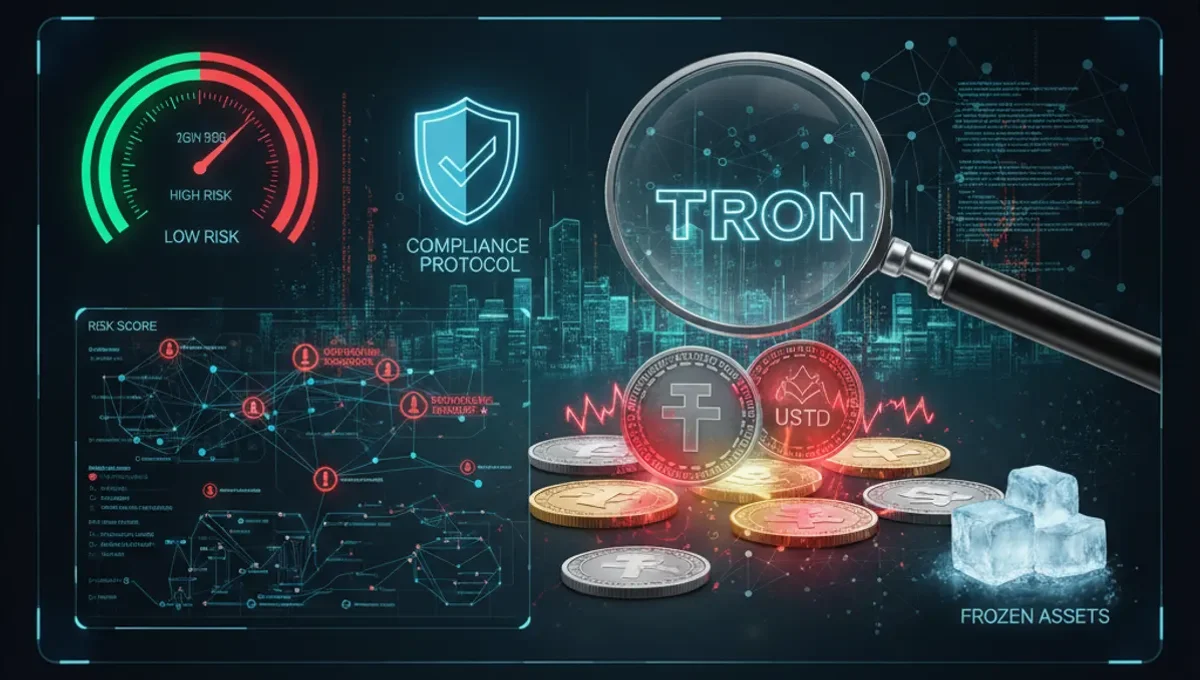
How Stolen Crypto Moves Through the Blockchain
When crypto is stolen, the transaction is permanently recorded on the blockchain. Unlike cash, every movement of the funds leaves a traceable record that includes wallet addresses, timestamps, and amounts. Blockchain analytics firms map these movements to identify patterns: coins moving to mixers, exchanges, or darknet markets are flagged as high-risk. Law enforcement agencies use this data to locate stolen funds and identify the perpetrators. The challenge is that once coins enter a mixer or are converted to other cryptocurrencies, the trail becomes harder to follow. However, the initial theft and early movements are always visible on-chain, which is why exchanges and compliance teams can flag stolen coins before they're fully laundered.
Can Stolen Crypto Be Recovered Through Exchanges
Exchanges are the most likely point of recovery because they perform AML checks and maintain compliance with financial regulations. When stolen coins are deposited into an exchange account, the exchange's AML screening system flags them as tainted or linked to darknet activity, scams, or sanctions lists. The exchange then freezes the account and may report the incident to law enforcement. If you are the victim and can prove ownership, you may file a claim with the exchange or law enforcement. However, recovery depends on jurisdiction, the exchange's policies, and whether the thief was identified. Many exchanges will not return funds to victims directly; instead, they cooperate with law enforcement to return assets through official channels. This process can take months or years.
What AML Checks and KYT Reveal About Tainted Coins
AML (Anti-Money Laundering) checks and KYT (Know Your Transaction) tools scan wallet addresses and transaction histories against databases of known stolen funds, darknet markets, scams, and sanctioned entities. When you receive crypto, running an AML crypto check on the sender's wallet reveals whether the coins have been flagged as high-risk. A risk score is assigned based on factors like mixer usage, exchange history, and association with illegal activity. If the coins score high-risk, accepting them could trigger your own exchange account to be frozen or banned. This is why checking wallets before accepting payment is critical—it protects you from unknowingly receiving stolen or tainted crypto. Services listed on verified AML check platforms can screen addresses quickly and provide detailed risk reports.
Why Stolen Crypto Rarely Returns to Victims
Most stolen crypto is not recovered because thieves move it quickly through mixers, convert it to other cryptocurrencies, or cash it out on unregulated exchanges. Once coins are mixed or converted, tracing becomes exponentially harder. Additionally, many victims do not report theft immediately, giving thieves a head start. Law enforcement has limited resources and typically prioritizes large-scale theft or cases involving organized crime. Even when stolen funds are recovered, they may be held as evidence for years. Victims in jurisdictions without strong crypto regulations have almost no legal recourse. The best defense is prevention: use hardware wallets, enable multi-factor authentication, and verify the legitimacy of any address before sending funds.
How to Protect Yourself From Receiving Stolen Crypto
Before accepting any crypto payment, especially large amounts, perform an AML check on the sender's wallet address. Check whether the address has been flagged for darknet exposure, mixer usage, scam association, or sanctions violations. Review the transaction history: does it show normal exchange activity, or does it jump between multiple wallets in suspicious patterns. If the risk score is high, decline the payment or ask the sender to provide the funds from a different wallet. When receiving USDT, TRX, BTC, or ETH, use the same screening process. Exchanges perform these checks automatically, but if you are receiving crypto peer-to-peer, you must do it yourself. Verified AML check services on this site provide transparent risk scoring and detailed reports to help you make informed decisions.
What Happens When Your Exchange Account Receives Flagged Coins
If you deposit stolen or tainted crypto into an exchange, the exchange's AML screening system will flag it during the deposit process or shortly after. The exchange may freeze your account, preventing you from withdrawing or trading. You will be asked to explain the source of the funds. If you cannot provide a legitimate explanation, the exchange may permanently ban your account and report the incident to financial authorities. In some cases, the exchange will cooperate with law enforcement to return the funds to the victim. Your account ban can affect your ability to use other exchanges, as compliance data is shared across platforms. This is why wallet screening before receiving payment is essential—it prevents you from accidentally becoming entangled in a theft investigation.
Steps to Take If Your Crypto Was Stolen
If your crypto has been stolen, act quickly. First, document everything: the wallet address, transaction hash, timestamp, and amount. Report the theft to your local law enforcement and provide them with the blockchain evidence. Contact the exchange where the coins were sent (if known) and request that they freeze the account. File a report with the FBI's Internet Crime Complaint Center (IC3) if you are in the United States, or the equivalent agency in your country. Hire a blockchain analytics firm if the amount is substantial; they can trace the coins and provide evidence to law enforcement. Do not attempt to recover the coins yourself or contact the thief. Recovery through official channels is slow but is your only legitimate option. In most cases, recovery is unlikely, but documentation and reporting create a record that may help law enforcement identify patterns of theft.
Frequently asked questions
Can stolen crypto be recovered if it goes to an exchange
Yes, if the thief deposits stolen coins on a regulated exchange, the exchange's AML screening will flag them and freeze the account. Law enforcement can then recover the funds. However, recovery depends on jurisdiction and the exchange's cooperation. The process typically takes months and is not guaranteed. Victims must file reports with law enforcement and provide proof of ownership.
How can crypto transactions be traced on the blockchain
Every crypto transaction is recorded permanently on the blockchain with wallet addresses, amounts, and timestamps. Blockchain analytics firms map these transactions to identify patterns like mixer usage or darknet market deposits. Law enforcement uses this data to track stolen funds. However, once coins are mixed or converted to other cryptocurrencies, tracing becomes much harder. The initial theft is always visible, but laundering obscures the trail.
What does an AML check crypto reveal about a wallet
An AML check scans a wallet address against databases of stolen funds, darknet markets, scams, and sanctioned entities. It assigns a risk score based on transaction history, mixer usage, and associations. A high-risk score means the coins may be tainted or linked to illegal activity. If you receive flagged coins, your exchange account could be frozen or banned. Checking wallets before accepting payment protects you from unknowingly receiving stolen or illicit crypto.
What should I do if I receive stolen crypto by mistake
Do not deposit the coins into an exchange or attempt to spend them. Contact law enforcement immediately and provide the transaction details. If you have already deposited them, your exchange account may be frozen. Cooperate fully with the exchange and law enforcement. Document everything and explain that you received the coins unknowingly. Honesty and quick reporting improve your chances of account recovery.
Why do most stolen crypto cases not result in recovery
Thieves move stolen coins quickly through mixers, convert them to other cryptocurrencies, or cash out on unregulated exchanges. Once mixed or converted, tracing becomes extremely difficult. Law enforcement has limited resources and prioritizes large-scale theft. Many victims do not report theft immediately, giving thieves a head start. Even when funds are recovered, they may be held as evidence for years. Prevention through wallet screening is more effective than recovery.