What Does KYT Mean in Crypto?
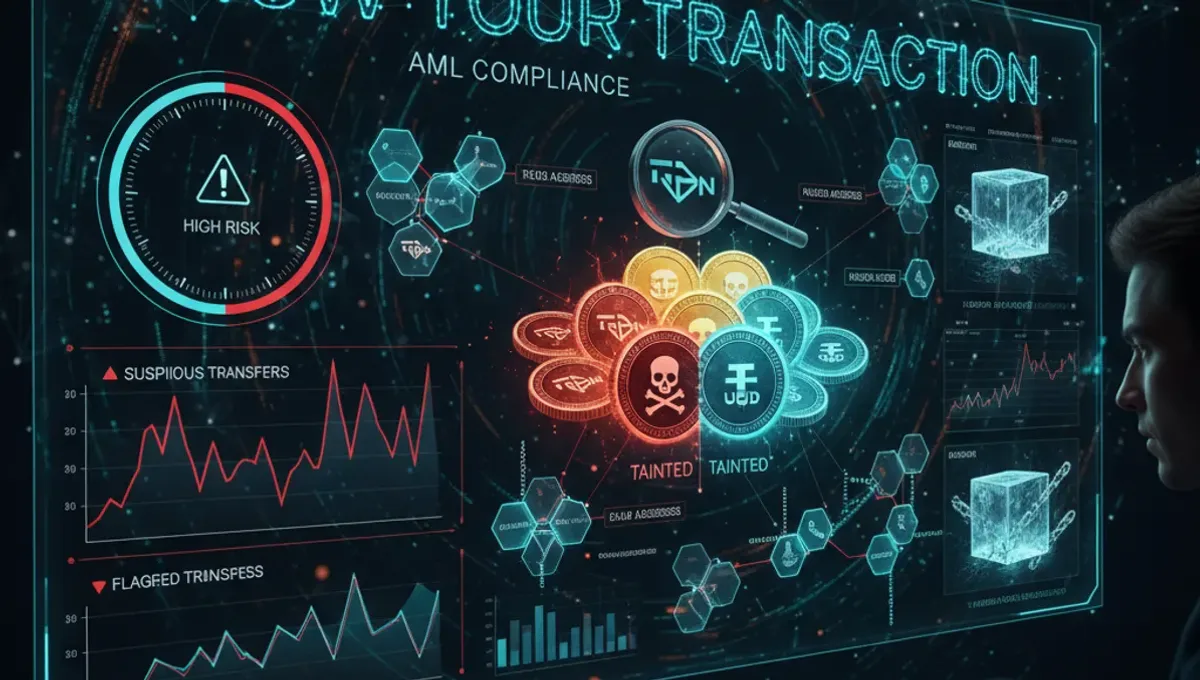
KYT (Know Your Transaction) is a real-time monitoring tool that analyzes blockchain transactions to identify risk. Unlike KYC (Know Your Customer), which verifies user identity, KYT focuses on the movement and history of funds themselves. It examines where coins come from, whether they've been mixed or laundered, and if they're linked to darknet markets, scams, or sanctioned entities. When you send cryptocurrency to an exchange, their KYT system automatically screens your wallet address. If the system detects coins with a high-risk history, the exchange may freeze your deposit, require additional documentation, or reject the transaction entirely. KYT meaning in crypto essentially boils down to transaction-level compliance screening that happens behind the scenes.
How Does KYT Blockchain Monitoring Work?
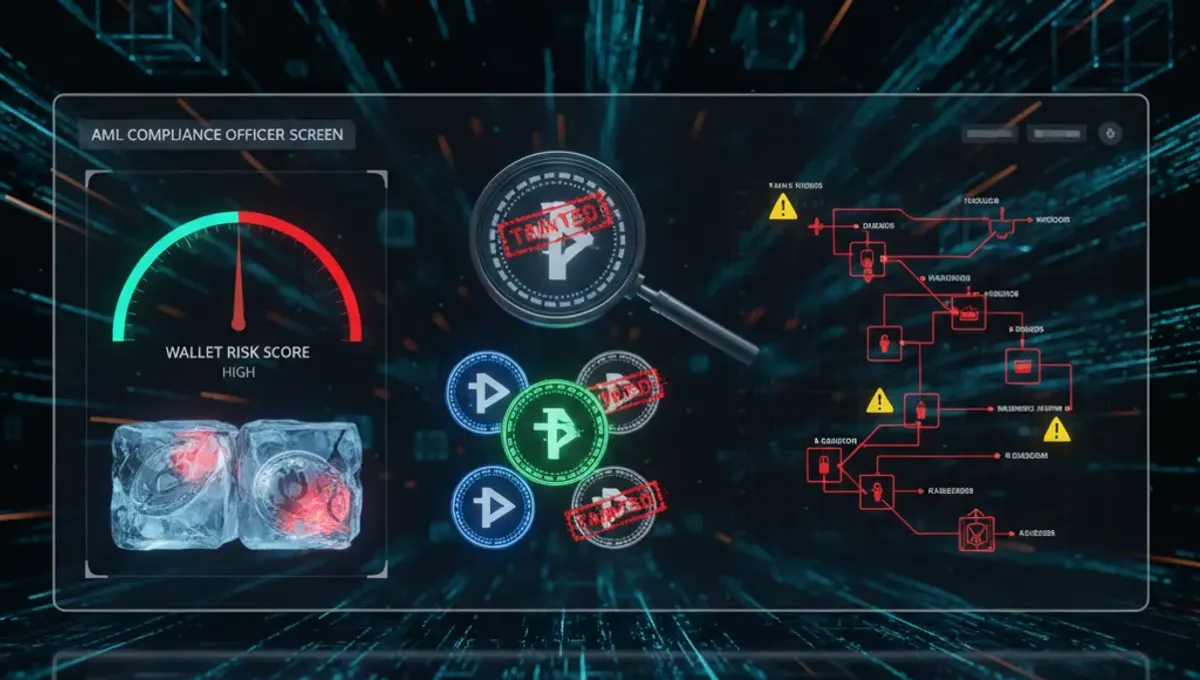
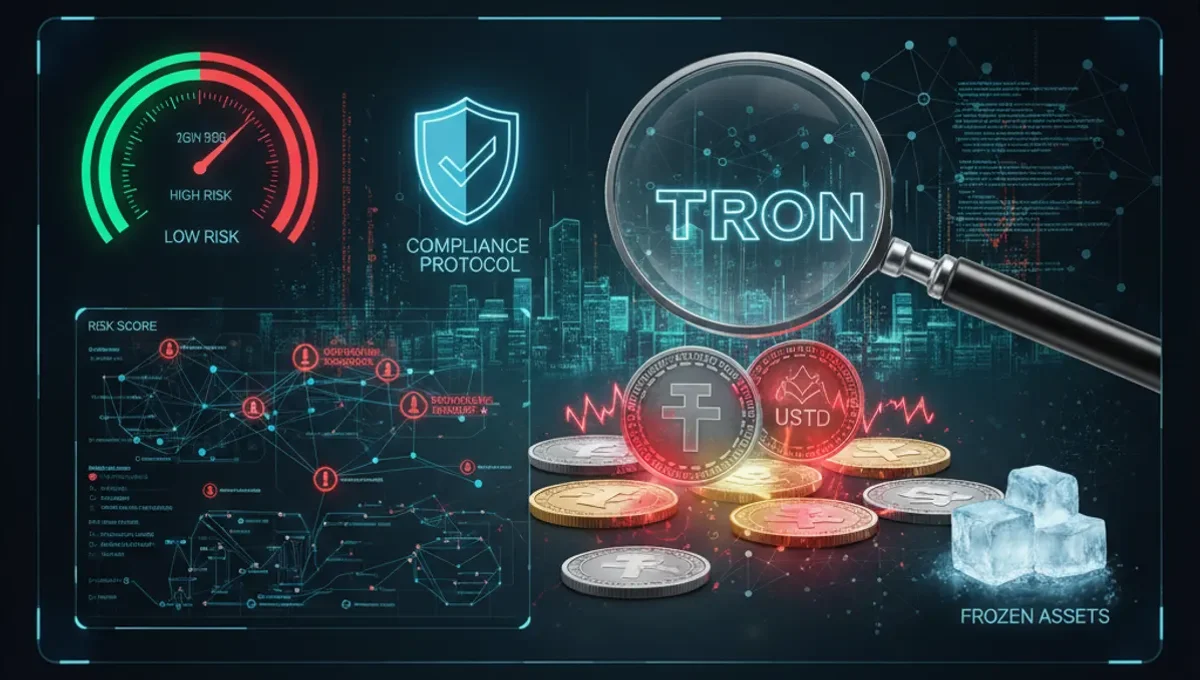
KYT blockchain monitoring operates by tagging addresses and transactions with risk scores based on historical behavior. The system maintains databases of known darknet wallets, mixer addresses, stolen funds, and sanctioned entities. When a transaction occurs, the monitoring tool traces the coin's path backward through the blockchain, checking each address it has passed through. If any address in the chain matches a risk database—such as a known theft, ransomware payment, or gambling platform—the entire transaction receives a higher risk score. The scoring is typically expressed as a percentage or level (low, medium, high, critical). Exchanges query these risk scores in real time. A wallet with coins that have been mixed multiple times or touched a darknet marketplace will flag as high-risk, even if the current owner is legitimate. This is why receiving USDT or other stablecoins from an unknown source can result in your exchange account being frozen pending review.
KYT vs. AML: What's the Difference?
KYT and AML (Anti-Money Laundering) are complementary but distinct. AML is the broader compliance framework—a set of rules and procedures that exchanges and financial institutions must follow to prevent money laundering. AML crypto check involves customer verification, transaction monitoring, and suspicious activity reporting. KYT is one specific tool within the AML toolkit: it's the automated transaction monitoring component. An aml check crypto typically includes both KYC (identity verification) and KYT (transaction screening). When you perform an aml crypto check on a wallet address, you're usually running it through a KYT-style system to assess the risk of the funds themselves. Think of AML as the policy framework and KYT as the technical implementation. A comprehensive aml check crypto will combine identity screening with transaction history analysis, which is why many compliance platforms offer both services together.
What Risk Factors Does KYT Detect?
KYT systems flag transactions based on several risk categories. Darknet exposure occurs when coins have been sent to or received from known darknet marketplace addresses. Mixer usage indicates coins have passed through privacy-mixing services, which obscure transaction trails. Stolen funds are identified when coins are traced back to confirmed theft or hacking incidents. Scam-related coins come from addresses linked to Ponzi schemes, rug pulls, or fraudulent projects. Sanctioned entities include addresses on government sanctions lists (OFAC in the US, for example). Gambling and high-risk service exposure flags coins from casinos or betting platforms. Ransomware payments are coins that have been paid as ransom demands. Each risk category contributes to an overall risk score. A single touch point with a high-risk category doesn't always result in rejection, but multiple risk factors or recent exposure typically triggers a freeze or review.
How to Check a Wallet Address Before Sending Crypto
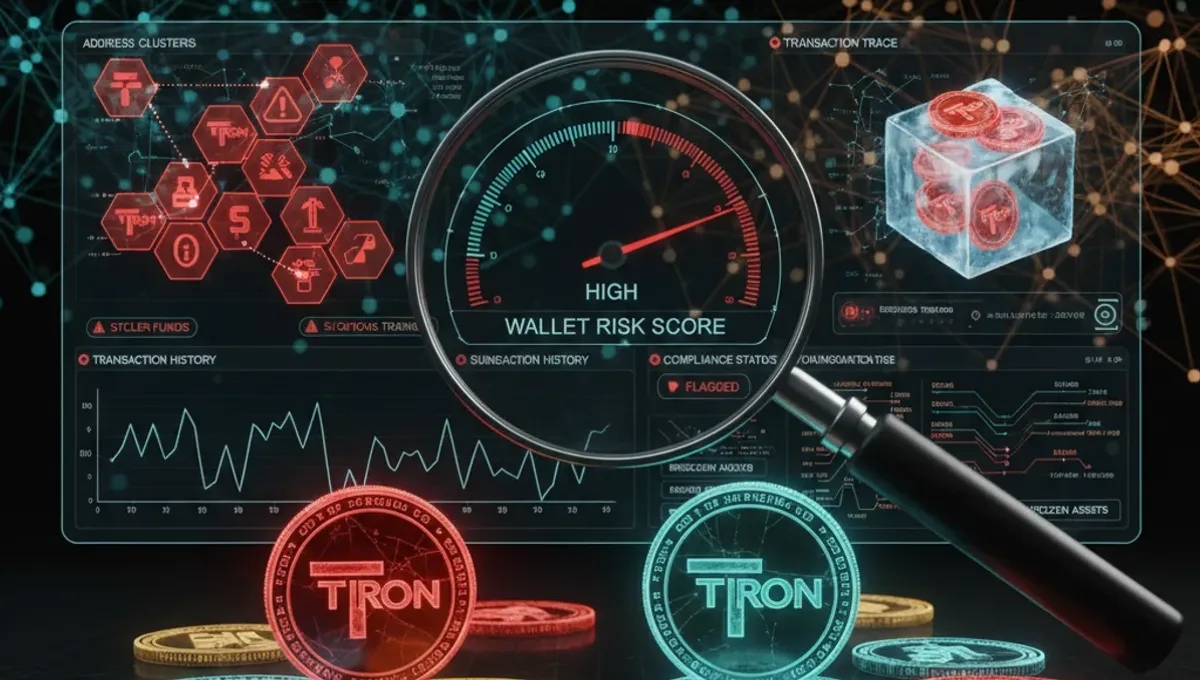
Before you send USDT, TRX, BTC, or ETH to an exchange or counterparty, screen the address to avoid receiving flagged coins. Here's the practical process: First, obtain the receiving wallet address and verify it matches the official source (copy directly from the exchange website, not from email or chat). Second, use a blockchain risk screening tool to run an AML check on that address. Enter the address into the tool and wait for the risk score report. Third, review the results: look for the overall risk score, any flagged risk categories, and the transaction history. If the score is low and no major red flags appear, the address is likely safe. If the score is high or shows darknet exposure, mixer usage, or recent theft links, do not send funds to that address. If you're receiving coins from someone else, ask them to provide their wallet address and run the same check. This preventive step takes two minutes and can save you from frozen funds. Many verified AML services on our curated list offer free or low-cost single-address checks, making this screening accessible before any transaction.
What Happens When Your Coins Are Flagged as High-Risk?
If you deposit coins with a high KYT risk score, several outcomes are possible. The exchange may immediately freeze your deposit and lock your account pending review. You'll receive a notification asking for proof of funds origin—receipts, invoices, or transaction history showing where the coins came from. If you can demonstrate legitimate ownership (e.g., you mined the coins, purchased them from a regulated exchange, or received them as payment for services), the freeze may be lifted. However, if the coins are confirmed to be stolen, ransomware payments, or from sanctioned entities, the exchange will likely reject the deposit permanently and may report the activity to authorities. In some cases, frozen USDT or other stablecoins remain locked indefinitely. This is why checking a wallet before receiving coins is critical. If someone offers to send you cryptocurrency and the address screens as high-risk, decline the transaction. The temporary inconvenience of a quick AML check is far better than having your exchange account frozen for weeks or losing access to your funds entirely.
Acceptable Risk Score Thresholds and Best Practices
Most exchanges consider a KYT risk score below 20–30% as acceptable for routine deposits. Scores in the 30–60% range may trigger additional review or documentation requests. Scores above 60% typically result in rejection or account freeze. However, thresholds vary by exchange and jurisdiction. Some platforms are stricter, especially if they operate in regulated markets. Best practices for avoiding tainted coins: verify the source of any incoming crypto before accepting it, use exchanges with transparent AML policies, check your own wallet address periodically to ensure no unexpected high-risk transactions have touched it, and avoid receiving coins from unknown sources or unverified marketplaces. If you're a business accepting crypto payments, integrate KYT screening into your payment flow so deposits are automatically checked. For personal users, running a quick AML check on any large incoming transfer takes seconds and provides peace of mind. The trusted AML services listed on our verified services page offer straightforward screening tools designed for this exact purpose—checking addresses without requiring full account signup.
Frequently asked questions
What does KYT stand for in crypto?
KYT stands for Know Your Transaction. It's a blockchain monitoring system that tracks cryptocurrency movements to detect suspicious activity, stolen funds, darknet exposure, and sanctions violations. Exchanges use KYT to screen incoming deposits in real time and assign risk scores to wallet addresses.
Is KYT the same as AML?
No. AML (Anti-Money Laundering) is the broader compliance framework that includes policies and procedures. KYT is a specific tool within AML—it's the automated transaction monitoring component. An AML check typically combines KYC (identity verification) with KYT (transaction screening).
What happens if my crypto address has a high KYT risk score?
A high risk score may trigger an exchange freeze, account lock, or deposit rejection. The exchange may request proof of funds origin. If coins are confirmed stolen or from sanctioned entities, the deposit is permanently rejected. Checking addresses before receiving crypto prevents this problem.
Can I check a wallet address for KYT risk before sending crypto?
Yes. Use a blockchain risk screening tool to run an AML check on any wallet address. Enter the address, review the risk score and flagged categories, and decide whether to proceed. This takes minutes and protects you from frozen funds or account bans.
What risk factors does KYT detect?
KYT detects darknet exposure, mixer usage, stolen funds, scam-related coins, sanctioned entity links, gambling activity, and ransomware payments. Each factor contributes to an overall risk score. Multiple risk factors or recent exposure typically triggers a freeze or review by the exchange.