What Is KYC in Crypto and How Does It Work
KYC is a regulatory process where exchanges collect personal information—name, address, government ID, proof of residence—to confirm a user's identity before allowing deposits or withdrawals. The exchange then screens this identity against sanctions lists, politically exposed persons (PEP) databases, and known fraud watchlists. KYC differs from KYT (Know Your Transaction), which monitors the movement of funds themselves rather than the person. Together, KYC and KYT form the backbone of crypto compliance. When you sign up for a major exchange like Coinbase or Kraken, you complete KYC as part of account setup. Smaller or unregulated exchanges may skip KYC entirely, which exposes users to regulatory risk and makes it easier for stolen or sanctioned funds to flow through the platform.
KYT Crypto Meaning: Transaction Monitoring vs. Identity Verification
KYT meaning in crypto refers to Know Your Transaction—the practice of monitoring where crypto funds come from and where they go. While KYC verifies who you are, KYT checks whether the coins you receive are clean or tainted. A KYT crypto check screens incoming transactions against databases of stolen funds, darknet market addresses, mixers, gambling platforms, and sanctioned entities. If you receive USDT or TRX from a wallet flagged as high-risk, the exchange may freeze your account pending investigation. KYT meaning becomes critical when you accept payments: receiving coins from a mixer or ransomware wallet can trigger compliance holds even if your own identity is verified. Many exchanges now combine KYC and KYT into a single compliance workflow, so both the user and the transaction source are screened before funds settle.
Why Exchanges Require KYC and AML Crypto Checks
Exchanges enforce KYC and AML (Anti-Money Laundering) checks to comply with financial regulations in their jurisdiction. Regulators like FinCEN in the US and the FCA in the UK require exchanges to prevent money laundering, terrorist financing, and sanctions evasion. An AML crypto check screens users and transactions against government watchlists and crime databases. Exchanges that fail to implement proper AML checks face fines, license revocation, and criminal liability. For users, KYC protects your account: if an exchange receives stolen funds or sanctions-linked coins, proper screening prevents those funds from being frozen in your wallet. Conversely, exchanges without robust KYC and AML procedures are targets for law enforcement action, which can result in sudden account freezes or asset seizures. Using exchanges with strong compliance practices reduces your risk of losing access to your funds.
How to Check If a Wallet or Address Is High-Risk Before Accepting Crypto
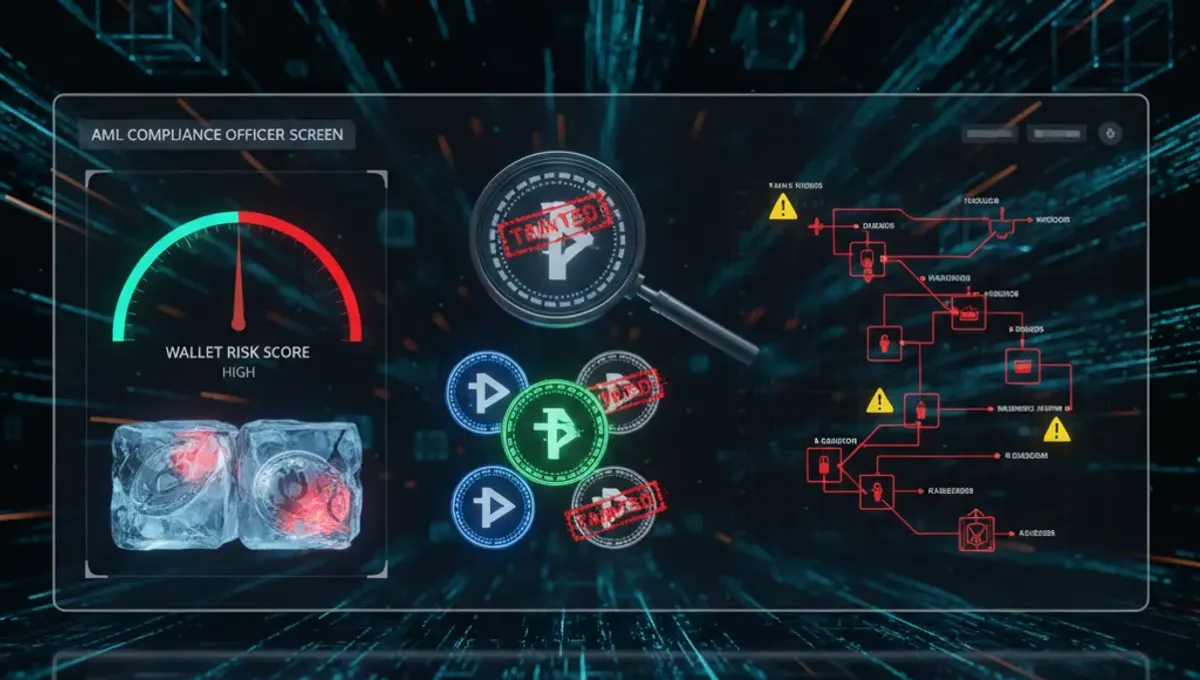
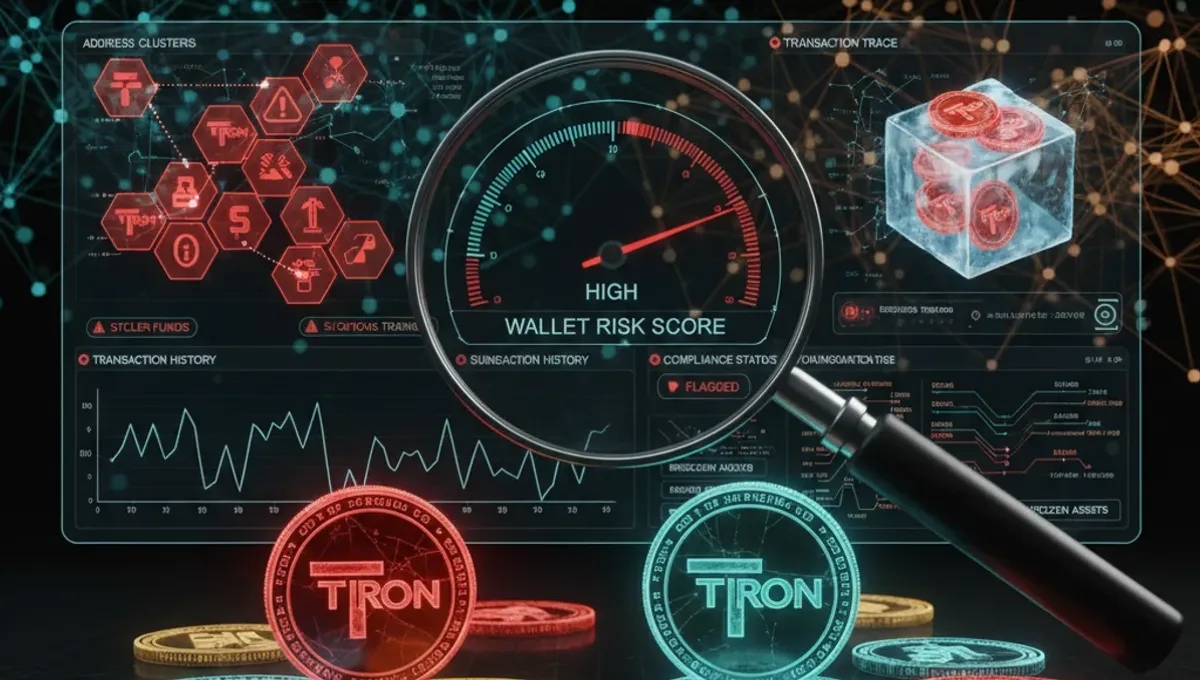
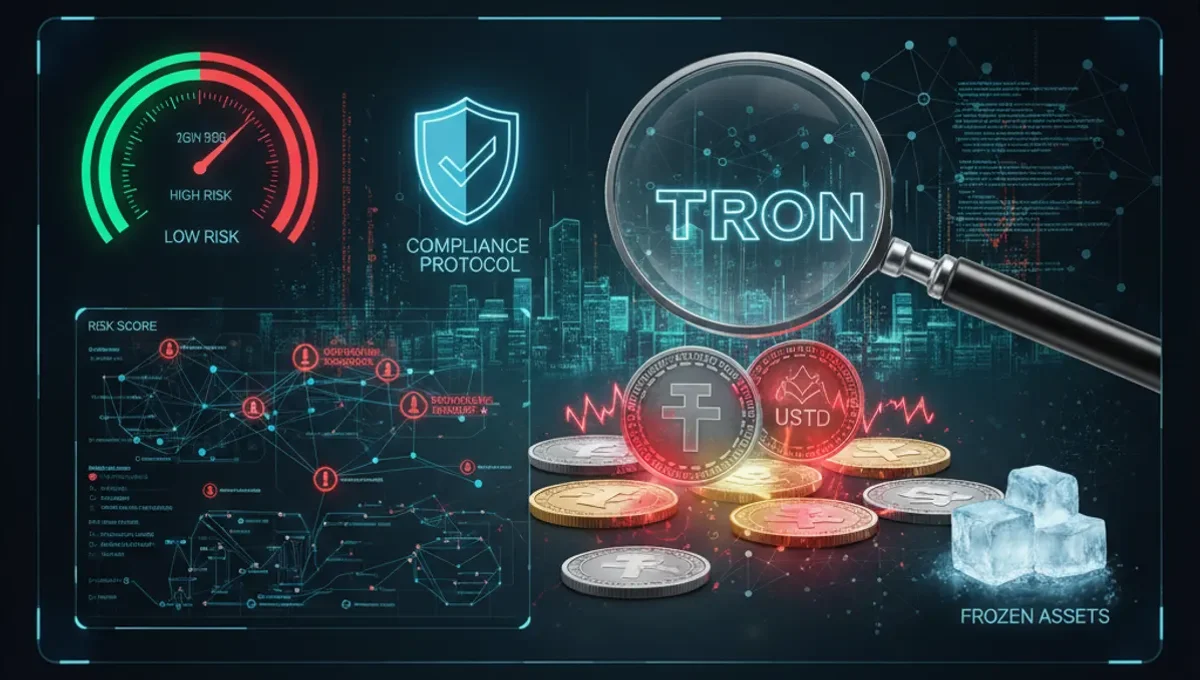
Before accepting a large USDT or TRX payment, you can screen the sender's wallet address to assess risk. Use a blockchain analytics tool to check the address history: look for connections to known darknet markets, mixers, ransomware wallets, or sanctioned entities. Most tools assign a risk score (low, medium, high) based on transaction patterns and known associations. If the sender's address has recent activity with a mixer or shows multiple rapid transfers typical of money laundering, the risk is elevated. When you receive coins from a high-risk address, your exchange may flag the deposit during its AML crypto check and hold the funds pending review. To avoid this, ask the sender for the wallet address in advance and screen it yourself using the verified AML services listed on this site. If the address shows high risk, request payment from a different wallet or decline the transaction. This proactive approach prevents compliance holds and keeps your exchange account in good standing.
What Happens When Your Crypto Is Flagged as Tainted or Dirty
If you deposit coins that fail an AML check—because they came from a mixer, darknet market, or stolen funds database—the exchange may freeze your account temporarily or permanently. A frozen USDT or TRX deposit triggers a compliance review, during which the exchange investigates the source of the funds. You may be asked to provide proof of where the coins came from or documentation of a legitimate transaction. If you cannot prove the funds are clean, the exchange may seize them or close your account. Tainted coins are flagged because they pose regulatory risk to the exchange; holding them could result in the exchange itself being sanctioned or fined. Even if you received the coins unknowingly, the exchange has no obligation to release them. To protect yourself, always verify the sender's wallet address before accepting large payments. Check the address through a trusted AML service to confirm it has no darknet, mixer, or theft associations.
KYC Meaning Across Different Exchanges and Compliance Levels
KYC requirements vary by exchange and jurisdiction. Major regulated exchanges (Coinbase, Kraken, Gemini) enforce strict KYC with photo ID verification and address proof. Mid-tier exchanges may require KYC for withdrawals above a certain threshold. Decentralized exchanges (DEXs) typically do not require KYC because they do not custody funds, but they may integrate with third-party AML services to flag high-risk transactions. Peer-to-peer (P2P) platforms often have lighter KYC for small trades but escalate verification for larger amounts. Unregulated exchanges skip KYC entirely, which makes them attractive to users seeking privacy but also exposes them to theft, fraud, and regulatory action. If you use multiple exchanges, each one will have its own KYC process and AML check standards. Understanding the KYC meaning and compliance level of each platform helps you choose where to hold your crypto and which services to trust with large transactions.
Best Practices: How to Avoid Receiving Dirty Crypto and Frozen Funds
To protect your exchange account and avoid frozen USDT or TRX, follow these steps:
- Always ask for the sender's wallet address before accepting payment.
- Use a verified AML check service to screen the address for darknet, mixer, sanctions, or theft associations.
- Review the risk score and transaction history; decline if the risk is high.
- Request payment from a different wallet if the first one is flagged.
- Keep records of the transaction and the AML check result in case your exchange asks for proof.
- Use exchanges with transparent KYC and AML policies; check the AML services list on this site to find trusted platforms.
- Educate your customers or payment partners about KYC meaning and why you screen addresses. By taking these steps, you reduce the chance of receiving tainted coins and triggering compliance holds that could lock your funds for weeks or months.
Frequently asked questions
What is the difference between KYC and KYT in crypto
KYC (Know Your Customer) verifies the identity of the user through government ID and address proof. KYT (Know Your Transaction) monitors the source and destination of the crypto funds themselves. KYC protects against user fraud; KYT protects against money laundering and tainted coins. Together they form a complete compliance framework.
Can I use crypto without KYC
Yes, you can use decentralized exchanges (DEXs) and peer-to-peer trades without KYC. However, regulated exchanges require KYC for deposits and withdrawals. Using unregulated platforms exposes you to theft and fraud. Most users benefit from KYC because it protects their account and ensures they can withdraw funds without compliance holds.
What does it mean if my crypto is flagged as dirty
Dirty crypto means the coins came from a high-risk source like a mixer, darknet market, or stolen funds database. If your exchange flags a deposit as dirty, it may freeze your account pending investigation. You may lose access to the funds if you cannot prove they came from a legitimate source. Always screen wallet addresses before accepting large payments.
How long does KYC verification take on crypto exchanges
KYC verification typically takes minutes to hours on major exchanges. Some platforms approve instantly; others may take 24–48 hours for manual review. If the exchange detects high-risk activity or inconsistencies, verification can take days or weeks. Using exchanges with efficient KYC processes reduces delays when you need to deposit or withdraw.
Is KYC required for receiving crypto payments
KYC is required by the exchange where you deposit the funds, not by the sender. However, if you receive coins flagged as high-risk, the exchange will perform an AML check and may freeze your account. To avoid this, screen the sender's wallet address before accepting payment using a trusted AML service.