What Happens to Stolen Crypto on the Blockchain
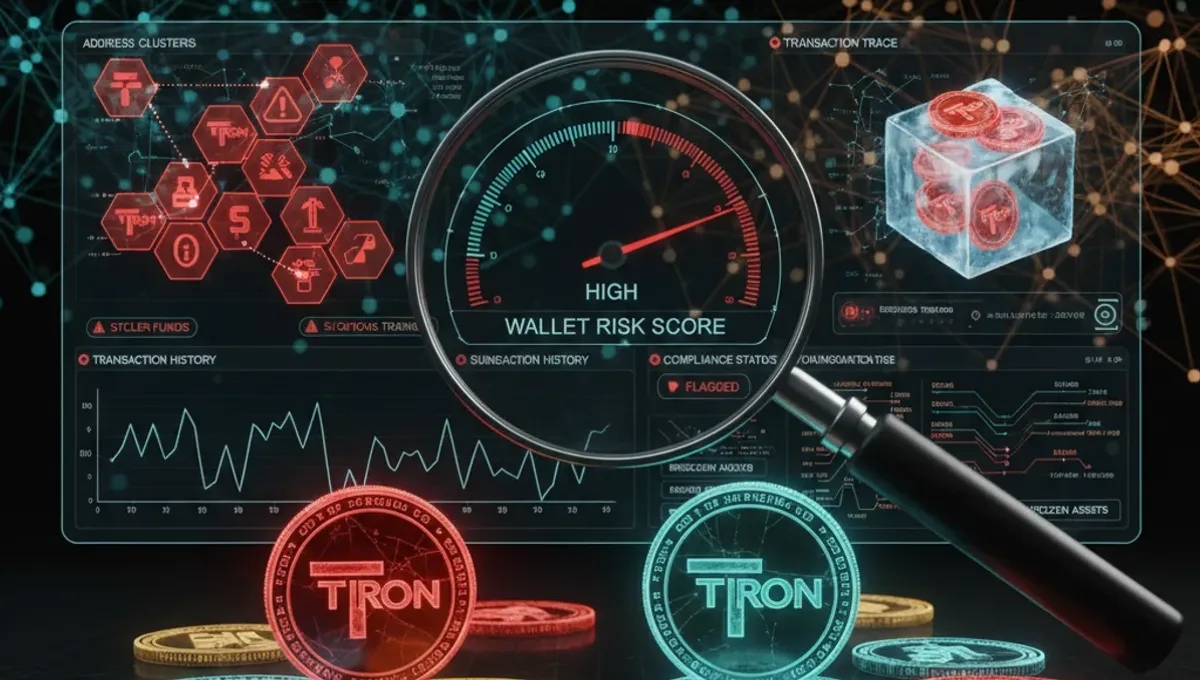
Once crypto is stolen, the transaction is permanent and visible on the blockchain forever. However, the coins themselves can be traced because every transaction leaves a record of the wallet address that received them. If a thief sends stolen Bitcoin, Ethereum, USDT, or TRX to an exchange, that exchange's compliance team can freeze the funds if they detect the transaction came from a known theft or darknet source. Blockchain analytics firms use transaction history to flag suspicious movement patterns. The key difference between crypto and traditional money is that the ledger is public, so anyone with the right tools can see where stolen funds go. This transparency is what makes recovery possible in some cases, but it also means thieves know they need to hide their tracks quickly by using mixers, privacy coins, or peer-to-peer swaps.
Can Crypto Transactions Be Traced?
Yes, crypto transactions can be traced through blockchain analysis. Every transaction on Bitcoin, Ethereum, Tron, and other public blockchains is recorded with sender and receiver addresses, timestamps, and amounts. Blockchain analytics companies use clustering techniques to link addresses together and identify patterns that suggest illicit activity, such as rapid movement through multiple wallets or deposits to known darknet markets. Law enforcement and exchanges use these tools to track stolen funds. However, tracing becomes much harder once coins pass through a mixer or tumbler, which deliberately obscures the connection between input and output addresses. Privacy coins like Monero are designed to be untraceable by default. The practical reality is that if stolen crypto reaches a regulated exchange quickly, it can be frozen before the thief withdraws it. If it goes through a mixer first, recovery becomes nearly impossible without law enforcement cooperation and access to mixer logs, which most mixers don't keep.
Can You Get Stolen Crypto Back? Recovery Methods
Recovery of stolen crypto is possible but not guaranteed. Here are the main scenarios where recovery happens:
1. Frozen at an exchange: If the thief deposits stolen coins at a regulated exchange, the exchange's AML compliance team may freeze the account when they detect the funds came from a theft or sanctions list. You can then file a claim with the exchange and law enforcement.
2. Law enforcement seizure: Police or federal agencies can subpoena exchanges and mixers (in jurisdictions where they operate legally) to recover funds. This is slow and only happens for large thefts or cases involving organized crime.
3. Private recovery services: Some blockchain forensics firms work with victims to trace and recover stolen funds, but their success rate depends on whether the thief used a mixer and whether they have relationships with exchanges.
4. Civil litigation: You can sue the exchange or service where the thief deposited the coins, though this is expensive and outcomes vary by jurisdiction.
The harsh reality: if the thief moves stolen coins through a mixer and then to a peer-to-peer seller or unregulated exchange, recovery is extremely unlikely. Speed is critical—report the theft to your exchange and local law enforcement within hours, not days.
How AML Checks and KYT Prevent Receiving Stolen Crypto
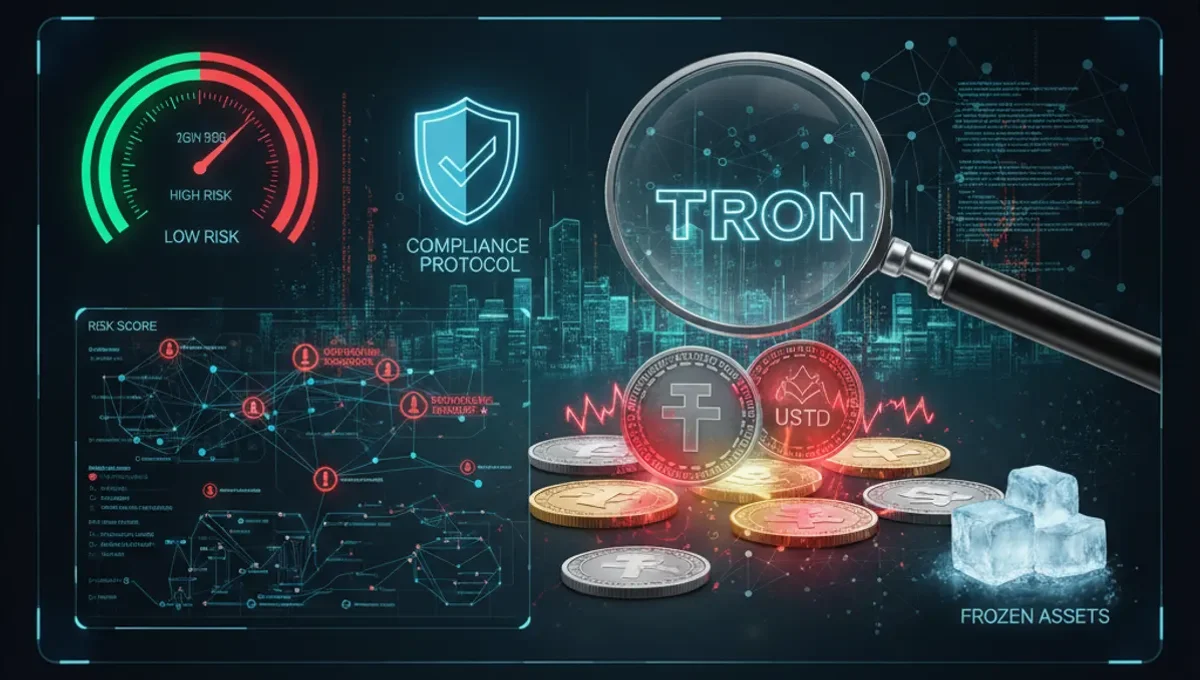
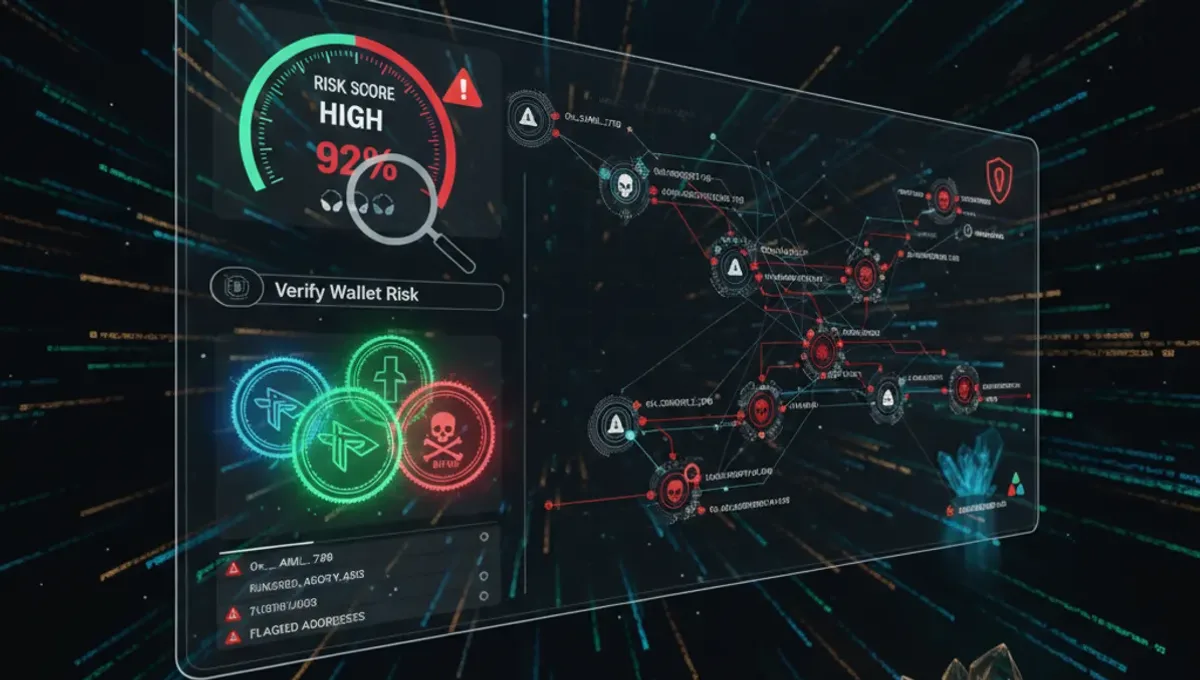
The best way to avoid the recovery problem is to never receive stolen crypto in the first place. AML (Anti-Money Laundering) checks and KYT (Know Your Transaction) tools screen incoming payments against databases of known theft addresses, darknet wallets, sanctions lists, and scam proceeds. Before you accept a payment in USDT, TRX, Bitcoin, or Ethereum, you can run an AML crypto check on the sender's wallet address. These tools assign a risk score based on whether the address has been flagged by law enforcement, linked to a mixer, or associated with a darknet market. If the risk score is high, you can reject the payment and avoid the compliance nightmare of receiving tainted coins. Many exchanges now require AML checks on deposits, and if you receive flagged crypto, your account can be frozen pending investigation. Using KYT screening before accepting payments protects both your funds and your exchange account from being locked down.
What Risk Score Levels Mean and When to Reject a Payment
AML check services assign risk scores to wallet addresses on a scale, typically from low (green) to high (red). Understanding these levels helps you decide whether to accept a payment:
Low risk (0–20%): Address has no known connection to theft, darknet, or sanctions. Safe to accept.
Medium risk (20–50%): Address may have interacted with a mixer or has some suspicious transaction history, but no confirmed illicit activity. Use caution; consider asking the sender for clarification.
High risk (50–80%): Address is linked to a known scam, mixer, or darknet market. Reject the payment unless you have strong reason to trust the sender.
Critical risk (80–100%): Address is flagged as stolen, sanctioned, or directly connected to a darknet marketplace. Do not accept. Your exchange will likely freeze the funds anyway.
The acceptable threshold depends on your risk tolerance and jurisdiction. Most exchanges freeze accounts if they receive payments flagged above 50% risk. If you're running a business, aim to accept only low-risk payments. If you're receiving from a known contact, a medium-risk score may be acceptable after you verify the source directly.
How to Check a Wallet Address Before Accepting Payment
Follow these steps to screen a wallet before accepting crypto:
1. Get the sender's wallet address: Ask the person sending you crypto to provide their wallet address. Verify it matches what appears in the transaction details.
2. Use an AML check service: Visit a trusted AML screening service (our curated list of verified AML services is a good starting point) and enter the wallet address. These services query blockchain analytics databases and sanctions lists in seconds.
3. Review the risk score: The service will return a risk score and a summary of any flags. Read the details—does it mention a mixer, darknet link, or theft report?
4. Make a decision: If the score is low, accept the payment. If it's medium or high, contact the sender and ask why their wallet is flagged. They may have legitimately used a privacy service or received coins from someone else.
5. Document the check: Keep a record of the AML check result. If your exchange later questions the deposit, you can show you screened it.
6. Monitor after deposit: Even after accepting, watch your exchange account for freezes or compliance holds. If the exchange flags the deposit, respond quickly with your AML check documentation.
This process takes 2–3 minutes and can save you from account lockdowns, compliance investigations, and the headache of trying to recover stolen funds.
What to Do If Your Coins Are Flagged as Stolen or Tainted
If you receive crypto that's later flagged as stolen or tainted, here's what to do:
1. Don't panic or move the coins: Transferring flagged crypto to another wallet makes it look like you're trying to hide it. Leave it where it is.
2. Contact your exchange immediately: Email the compliance team and explain that you received the coins unknowingly and want to cooperate. Provide the sender's details if you have them.
3. File a police report: Report the incident to local law enforcement or the FBI's Internet Crime Complaint Center (IC3) if you're in the US. Get a case number and share it with your exchange.
4. Provide documentation: Show your exchange any AML check you ran, communications with the sender, and proof that you didn't knowingly receive stolen funds.
5. Cooperate with investigation: Your exchange may freeze your account temporarily while they investigate. This is normal. Respond to all requests for information promptly.
6. Consider legal advice: If the freeze lasts more than a few weeks or your account is permanently closed, consult a lawyer familiar with crypto compliance.
The key is transparency. Exchanges are more likely to unfreeze accounts if they see you acted in good faith and reported the issue. Attempting to hide or move flagged crypto will result in permanent account closure and potential legal action.
Frequently asked questions
How long does it take to recover stolen crypto?
Recovery timelines vary widely. If stolen coins are frozen at an exchange within hours, recovery can take weeks to months through legal channels. If the thief uses a mixer, recovery is extremely unlikely. Law enforcement investigations can take months or years. The faster you report the theft, the better your chances.
Do exchanges have to return stolen crypto?
Exchanges are not legally required to return stolen crypto, but they will freeze flagged funds pending investigation. If law enforcement confirms the theft and issues a court order, the exchange may release the funds to you. Otherwise, the exchange may return the coins to the original owner or hold them indefinitely.
What's the difference between AML checks and KYT?
AML (Anti-Money Laundering) checks screen wallet addresses against compliance databases. KYT (Know Your Transaction) is similar but focuses on transaction monitoring and ongoing risk assessment. Both tools flag stolen, sanctioned, and darknet-linked addresses. AML checks are typically one-time screenings; KYT is continuous monitoring.
Can I recover crypto stolen from my personal wallet?
Recovery from a personal wallet is very difficult because you don't control the exchange where the thief deposits the coins. Your only option is to report the theft to law enforcement and hope they investigate. Using a hardware wallet and strong security practices is your best defense.
Will my exchange account be frozen if I receive tainted crypto?
Yes, many exchanges freeze accounts when they detect deposits flagged as stolen or linked to darknet activity. The freeze can last days to weeks while the exchange investigates. If you can prove you didn't knowingly receive stolen funds, the freeze may be lifted. Repeated violations can result in permanent account closure.