What Are AML Transaction Monitoring Rules?
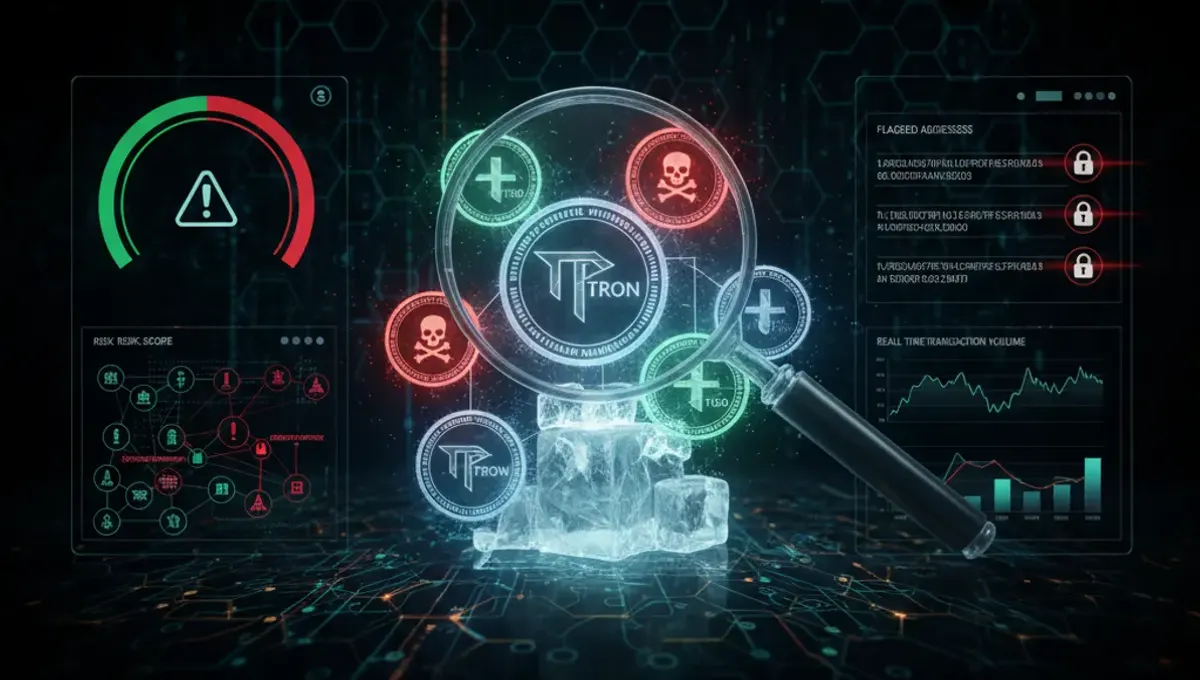
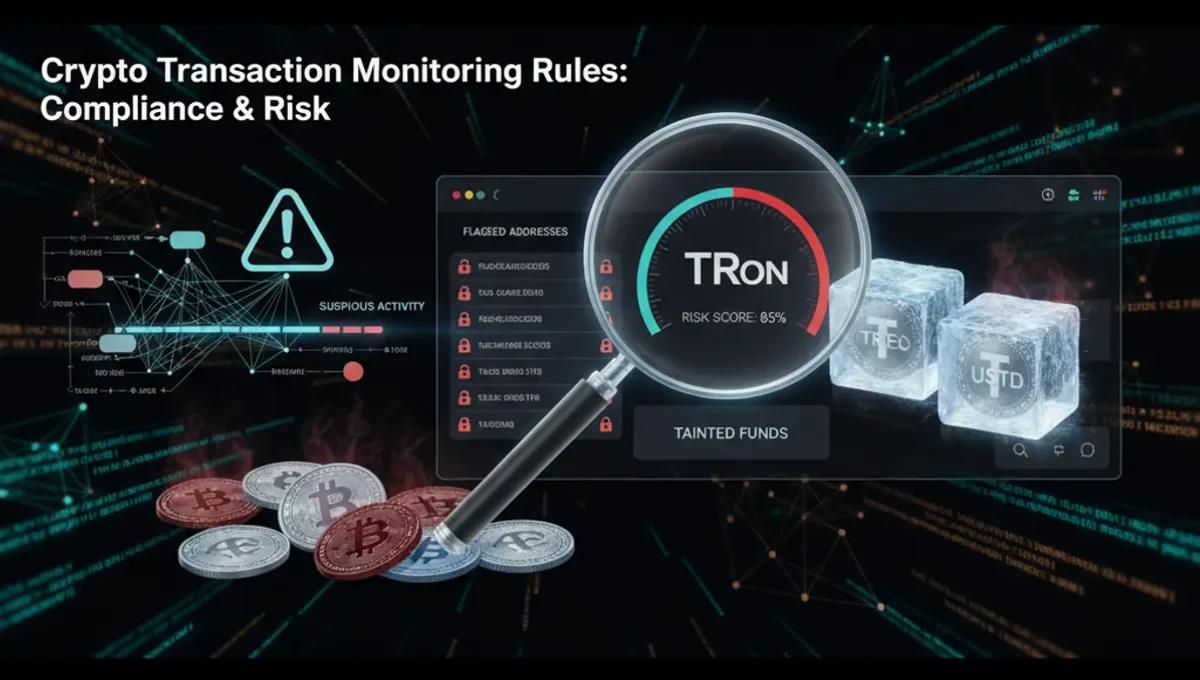
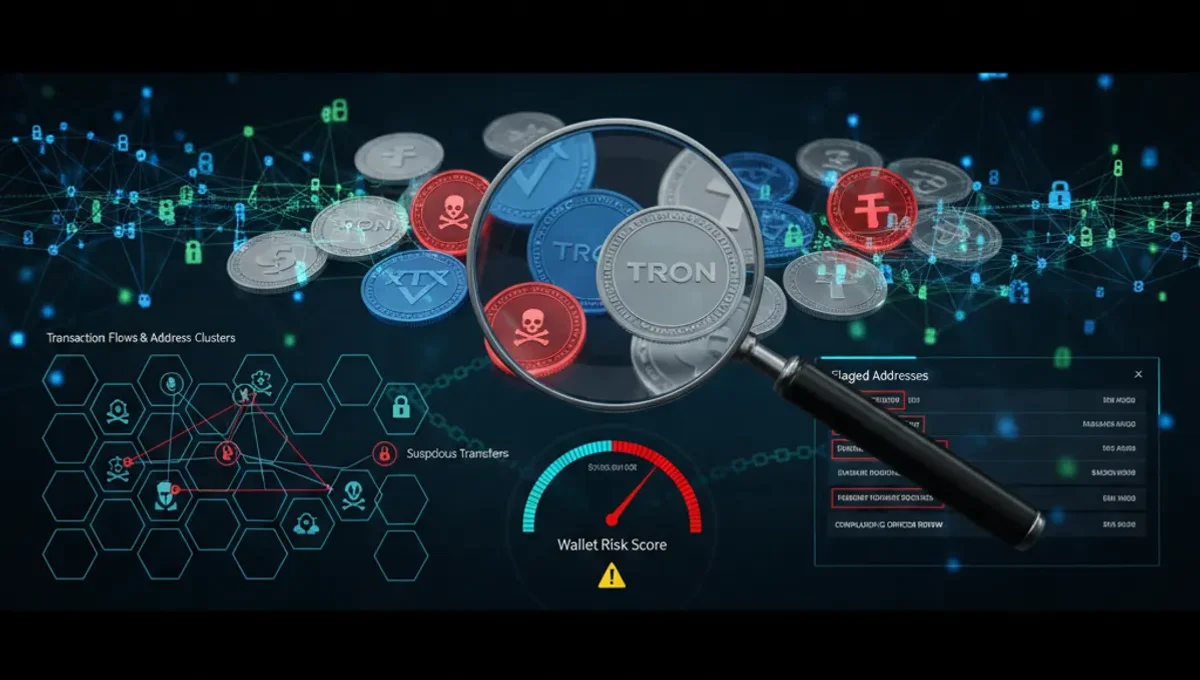
AML transaction monitoring rules are automated and manual processes that track cryptocurrency movements across blockchains to identify high-risk activity. Exchanges and custodians apply these rules to every deposit and withdrawal. The rules check whether funds have touched known darknet addresses, mixing services, scam wallets, or entities on sanctions lists. When a transaction fails these checks, it receives a risk score. Crypto transaction monitoring rules operate continuously on public blockchains like Bitcoin, Ethereum, and Tron, where all transaction history is visible. Unlike traditional banking, blockchain transaction monitoring is transparent because the ledger is immutable. Compliance teams use specialized software to trace fund origins and destinations, flagging patterns that suggest money laundering, terrorist financing, or theft.
How Do Cryptocurrency Transaction Monitoring Rules Work?
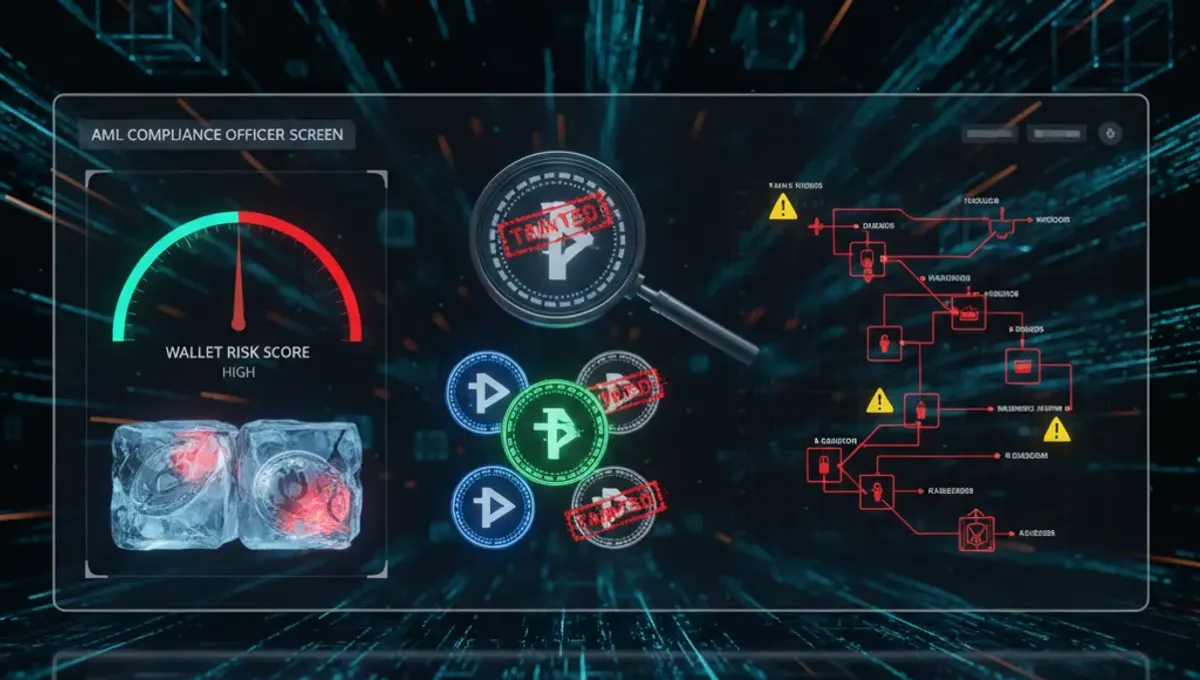
Cryptocurrency transaction monitoring operates through several layers. First, blockchain transaction monitoring software scans every on-chain transaction in real time. Second, the system compares wallet addresses against known blacklists: darknet marketplaces, stolen-funds databases, sanctioned entities, and gambling platforms. Third, it analyzes transaction patterns—rapid movements, round-number transfers, or mixing behavior—that suggest deliberate obfuscation. Fourth, it calculates a risk score based on the number and severity of red flags. A transaction touching one mixer might score 40 out of 100; touching a darknet market address might score 75. Finally, exchanges apply thresholds: deposits above a certain risk level trigger manual review or automatic rejection. The entire process happens within seconds of a blockchain confirmation, before funds settle in your account.
What Risk Categories Trigger Transaction Monitoring Flags?
Transaction monitoring cryptocurrency systems flag activity in these categories:
- Darknet market exposure: Funds previously held at addresses associated with illegal marketplaces.
- Mixing and tumbling: Coins sent through privacy mixers or coin-mixing services designed to obscure origin.
- Stolen funds: Coins traced to theft, hacks, or fraud victims.
- Sanctions violations: Transactions involving addresses linked to sanctioned countries or entities.
- Scam proceeds: Funds from known Ponzi schemes, rug pulls, or phishing attacks.
- Gambling platforms: Some exchanges flag coins from unregulated gambling sites as higher risk.
- Ransomware: Cryptocurrency received as ransom payments.
Each category carries different weight in risk scoring. Darknet exposure and stolen funds typically trigger the highest scores. Mixing alone may not block a transaction but raises suspicion. Sanctions violations almost always result in automatic rejection because compliance teams face legal liability.
Understanding Risk Scores and Acceptable Thresholds
Risk scores typically range from 0 to 100, where 0 means clean and 100 means maximum suspicion. Most exchanges use these thresholds:
- 0–20: Clean. No red flags. Deposits accepted immediately.
- 21–50: Low risk. Minor exposure to mixers or unconfirmed scam links. Usually accepted after brief review.
- 51–75: Medium risk. Confirmed contact with darknet or stolen-funds databases. May trigger manual review or rejection.
- 76–100: High risk. Strong evidence of illegal activity or sanctions violation. Automatic rejection or account freeze.
Thresholds vary by exchange and jurisdiction. Some exchanges accept scores up to 60; others reject anything above 30. Stablecoin deposits (USDT, USDC) often face stricter scrutiny than volatile assets because they're used for value transfer and money laundering. If your deposit is rejected, the exchange typically provides a risk score but not the specific reason, citing compliance confidentiality.
How to Check a Wallet Before Receiving Crypto
Before accepting a cryptocurrency transfer, verify the sender's wallet address to avoid receiving tainted coins:
- Ask the sender for their wallet address in advance.
- Use a trusted AML check service to scan the address. Services listed on our curated AML Services page offer blockchain transaction monitoring and risk scoring tailored to your exchange's standards.
- Review the risk score and flagged categories. A score below your exchange's threshold is generally safe.
- Check the transaction history: look for recent activity, balance size, and whether the address has been dormant or active.
- If the score is borderline, contact your exchange's compliance team before accepting the transfer.
- Once you receive the funds, your exchange will run its own monitoring. If the deposit is flagged, you may face delays or rejection.
This proactive approach prevents frozen accounts and avoids the complexity of proving fund legitimacy after the fact.
What Happens When Your Deposit Is Flagged as Tainted?
If your deposit triggers a high-risk flag, several outcomes are possible. Your exchange may freeze the funds pending manual review, which can take days or weeks. During this time, you cannot withdraw or trade the coins. If the review confirms high-risk activity, the exchange may reject the deposit and return it to the sender's address. In some cases, exchanges are legally required to report the transaction to financial authorities and may freeze your entire account, not just the flagged deposit. If the coins are linked to theft or ransomware, law enforcement may seize them. You cannot recover frozen USDT or other stablecoins through the exchange; the funds remain locked until compliance resolves the issue or authorities release them. To avoid this scenario, always verify incoming transfers and use the AML check services on our verified list before accepting large deposits.
Best Practices for Staying Compliant
Compliance with transaction monitoring rules protects your exchange account and reputation:
- Know your sources: Only accept cryptocurrency from wallets you trust or have verified through AML screening.
- Avoid mixers: Do not send coins through privacy mixers before depositing to an exchange. Mixing raises risk scores significantly.
- Document transfers: Keep records of who sent you funds and why, in case your exchange requests proof of legitimacy.
- Use fresh addresses: Generate new deposit addresses for each transaction to reduce the chance of inheriting risk from previous users of the same address.
- Monitor your wallet: Regularly check your own address risk score using blockchain transaction monitoring tools.
- Report suspicious activity: If you receive unsolicited transfers from unknown sources, report them to your exchange immediately.
- Stay informed: Exchange compliance rules change. Review your exchange's AML policy quarterly.
These practices reduce friction during deposits and withdrawals while keeping your account in good standing.
Frequently asked questions
What is the difference between AML transaction monitoring and KYC?
KYC (Know Your Customer) verifies who you are when you open an account. AML transaction monitoring tracks what you do with your funds after account creation. Both are required by law. KYC happens once; transaction monitoring is continuous. Cryptocurrency transaction monitoring flags suspicious activity; KYC prevents criminals from opening accounts in the first place.
Can I remove a high-risk flag from my cryptocurrency address?
No. Risk scores are based on immutable blockchain history. If your address received coins from a darknet market or mixer, that transaction is permanent. You cannot erase it. However, the risk score may decrease over time if you receive clean funds and maintain the address without further suspicious activity. Some exchanges allow you to appeal a frozen deposit by providing proof of legitimate source.
How long does blockchain transaction monitoring take?
Most exchanges complete transaction monitoring within seconds to minutes of blockchain confirmation. Automated risk scoring is instant. Manual review, if triggered, can take hours to weeks depending on the exchange's workload and the complexity of the transaction. High-risk deposits may be reviewed by multiple compliance officers, extending the timeline.
Do all exchanges use the same AML transaction monitoring rules?
No. Each exchange sets its own risk thresholds and monitoring standards, though all must comply with local financial regulations. Some exchanges are stricter than others. A deposit rejected by one exchange may be accepted by another. Regulatory requirements also vary by country, so exchanges operating in multiple jurisdictions may apply different rules to the same transaction.
What should I do if my USDT deposit is frozen due to AML monitoring?
Contact your exchange's compliance team immediately with your transaction ID and deposit address. Provide documentation of the fund source if available. Do not attempt to move the funds or close your account, as this may trigger further investigation. Frozen USDT cannot be recovered through the exchange; you must wait for compliance clearance or legal resolution.