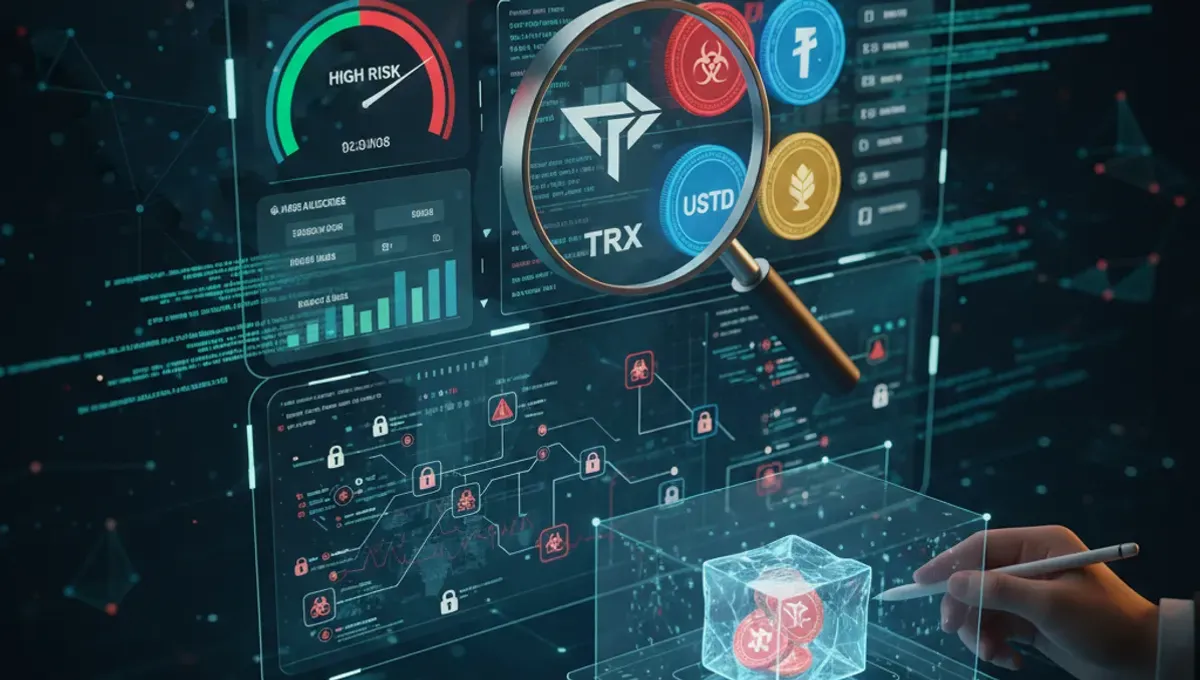
What Is Crypto Transaction Monitoring?
Crypto transaction monitoring involves real-time or periodic analysis of blockchain transactions to detect patterns and sources of funds. Unlike traditional banking, where transaction monitoring happens behind closed doors, blockchain transaction monitoring is transparent because all transfers are recorded on a public ledger. Monitoring tools scan wallet addresses, trace fund movement across exchanges and mixers, and cross-reference transactions against known risk databases—including darknet market wallets, stolen-funds lists, and sanctioned entity addresses. The goal is to catch high-risk transfers before they reach your wallet or exchange account. Most major exchanges now require some form of transaction monitoring as part of their compliance framework, and many use third-party blockchain analytics providers to automate the screening process.
How Do Crypto Transaction Monitoring Rules Work?
Crypto transaction monitoring rules are sets of criteria that flag transactions for review. Common rules include: transfers from known mixer addresses (which obscure fund origins), payments from wallets linked to darknet markets, movements from addresses flagged for theft or fraud, transactions involving sanctioned jurisdictions or entities, and rapid consolidation of funds from multiple sources. Each rule has a risk threshold—for example, a transaction from a mixer might trigger a medium-risk flag, while a transfer from a known scam wallet triggers high-risk. Compliance teams set these thresholds based on regulatory requirements and their own risk appetite. When a transaction crosses a threshold, it may be held for manual review, rejected outright, or passed through with a warning. The rules are updated regularly as new threats emerge and as regulatory guidance evolves.
What Crypto Transaction Monitoring Tools Are Available?
Crypto transaction monitoring tools range from basic blockchain explorers to enterprise-grade analytics platforms. Basic tools let you search a single address and see its transaction history. Mid-tier tools add risk scoring, wallet clustering, and alerts for suspicious activity. Enterprise solutions provide real-time monitoring of thousands of addresses, integration with exchange APIs, and detailed compliance reporting. Many tools focus on specific blockchains—Bitcoin, Ethereum, Tron—while others cover multiple chains. The best crypto market transaction monitoring solutions combine on-chain data with off-chain intelligence, such as darknet forum activity and stolen-funds databases. When choosing a tool, look for transparent methodology, regular database updates, and clear documentation of how risk scores are calculated. Our curated list of verified AML services on this site includes several trusted cryptocurrency transaction monitoring platforms that offer both free and paid screening options.
How Does Blockchain Transaction Monitoring Detect Tainted Coins?
Blockchain transaction monitoring detects tainted coins by tracing their movement backward through the transaction chain. When a wallet receives funds, monitoring tools check whether any of those funds originated from a known theft, scam, or darknet market. This is possible because every transaction on a public blockchain is immutable and traceable. If a coin's history includes a link to a compromised wallet or criminal activity, it becomes flagged as tainted. The risk level depends on how recent the taint is and how direct the connection. A coin stolen yesterday carries higher risk than one that passed through a mixer three years ago. Some tools use heuristics to identify likely theft patterns—for example, sudden large transfers followed by rapid dispersal to multiple addresses. Others rely on manual investigation and community reports. The result is a risk score assigned to each address and transaction, which exchanges and compliance teams use to decide whether to accept or reject the funds.
What Risk Score Levels Mean and How to Interpret Them
Risk scores typically range from 0 (clean) to 100 (very high risk), though some systems use categories like Low, Medium, High, and Critical. A score of 0–20 usually means the wallet has no known associations with illegal activity. Scores of 21–50 indicate some exposure—perhaps the wallet received funds from a mixer or has minor connections to flagged addresses. Scores of 51–80 suggest significant risk: the wallet may have received stolen funds or have direct links to darknet activity. Scores above 80 are typically considered unacceptable for most exchanges and warrant immediate investigation or rejection. However, thresholds vary by jurisdiction and by exchange policy. Some exchanges accept scores up to 50, while others reject anything above 30. When you receive a risk score for a wallet, check the breakdown: which specific risk factors contributed to the score. A high score due to mixer exposure alone may be less concerning than one due to theft or sanctions violations. Always review the detailed report, not just the number.
How to Check a Wallet Before Receiving Crypto
Before accepting a transfer, follow these steps to screen the sending wallet:
- Obtain the sender's wallet address and confirm it matches their stated identity.
- Use a cryptocurrency transaction monitoring tool or AML service to check the address. Enter the address and select the correct blockchain (Bitcoin, Ethereum, Tron, etc.).
- Review the risk score and the detailed report. Look for flags related to mixers, darknet markets, theft, or sanctions.
- Check the transaction history. Does the wallet show normal activity or suspicious patterns like rapid consolidation or sudden large transfers.
- If the risk score is acceptable (typically below your exchange's threshold), proceed. If it's high, ask the sender for clarification or request funds from a different address.
- After receiving the funds, monitor your exchange account for any holds or flags. If your exchange freezes the deposit, contact support immediately with the transaction details and the AML report.
Our verified AML services list includes tools that make this process straightforward and reliable.
What Happens If Your Coins Are Flagged as Dirty Crypto?
If your received coins are flagged as dirty crypto or tainted, your exchange account may be frozen, the deposit may be rejected, or your account may be flagged for manual review. The outcome depends on the exchange's policy and the severity of the risk. In some cases, exchanges will hold the funds pending investigation. In others, they will return the funds to the sender or require you to provide proof that you were an innocent recipient (for example, a receipt showing you purchased the coins from a legitimate seller). If your account is frozen, contact exchange support immediately. Provide documentation of the transaction and explain your relationship to the sender. If you received the coins unknowingly or as part of a scam, report it to the exchange and to law enforcement if appropriate. To avoid this situation, always screen wallets before accepting large transfers. Use the tools and services available to check addresses and risk scores. If a transfer seems suspicious, decline it or ask for clarification before accepting. Proactive monitoring is far easier than dealing with a frozen account.
Frequently asked questions
What is the difference between crypto transaction monitoring and KYC?
KYC (Know Your Customer) verifies the identity of the person opening an account. Crypto transaction monitoring screens the funds themselves—checking whether they come from legitimate sources or are linked to illegal activity. Both are required for compliance, but they serve different purposes. KYC happens once at account setup; transaction monitoring happens on every deposit.
Can I use free tools to check if crypto is tainted?
Yes. Many blockchain explorers and basic AML services offer free wallet screening with limited features. Free tools typically show transaction history and basic risk flags but may not include detailed darknet or theft database checks. For comprehensive monitoring, paid services offer more detailed reports and real-time alerts. Our verified AML services list includes both free and paid options.
How often should I monitor my crypto wallet?
Monitor your wallet before accepting any significant transfer. If you receive regular deposits, set up alerts through your exchange or a monitoring service. For personal wallets, periodic checks (weekly or monthly) are sufficient unless you suspect suspicious activity. Exchanges typically monitor all deposits automatically as part of their compliance process.
What blockchain transaction monitoring tools work best for Tron and USDT?
Most major blockchain analytics platforms support Tron and USDT (TRC20 tokens). Look for tools that specifically list Tron support and offer TRC20 token tracking. Check whether the tool's darknet and theft databases include Tron addresses, as some focus primarily on Bitcoin and Ethereum. Test with a known address before relying on any tool for critical decisions.
Will my exchange account be permanently banned if I receive tainted crypto?
Not necessarily. If you receive tainted crypto unknowingly and can prove you were an innocent recipient, most exchanges will unfreeze your account after investigation. However, repeated violations or evidence of intentional involvement in money laundering can result in permanent bans. Always screen wallets before accepting transfers to avoid this risk entirely.