What Is KYT in Crypto and Why Does It Matter
KYT meaning in crypto refers to the continuous monitoring of blockchain transactions to identify high-risk or illicit fund flows. Unlike a one-time identity check, KYT crypto screening happens at every transaction step. Exchanges, payment processors, and compliance teams use KYT blockchain tools to detect whether incoming funds have touched mixers, ransomware wallets, darknet marketplaces, or sanctioned entities. If you receive tainted coins without screening them first, your exchange may freeze your account or seize the funds. KYT blockchain monitoring protects both platforms and users by catching dirty crypto before it enters regulated systems. This is why major exchanges now require KYT checks on deposits above certain thresholds.
How Blockchain Transaction Monitoring Works
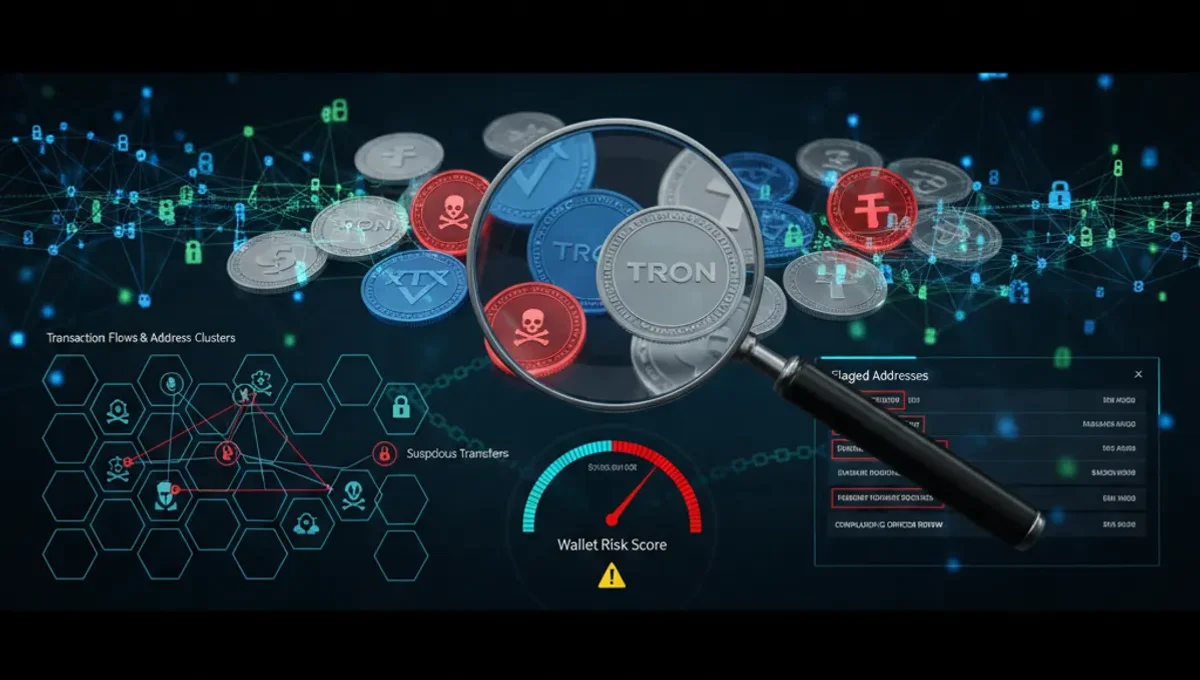
Blockchain transaction monitoring uses three core methods to assess risk. First, it traces the transaction history of a wallet address backward through the blockchain ledger, identifying all previous owners and fund sources. Second, it cross-references those addresses against known risk databases: darknet markets, mixer services, stolen-funds registries, and OFAC sanctions lists. Third, it assigns a risk score based on exposure—how many hops away the current wallet is from a flagged address, and how recent that exposure is. A transaction that moved through a mixer five times scores higher risk than one with a clean chain. KYT crypto monitoring tools update these databases continuously as new threats emerge, so a wallet flagged today may have been clean yesterday.
KYT Risk Score Levels and What They Mean
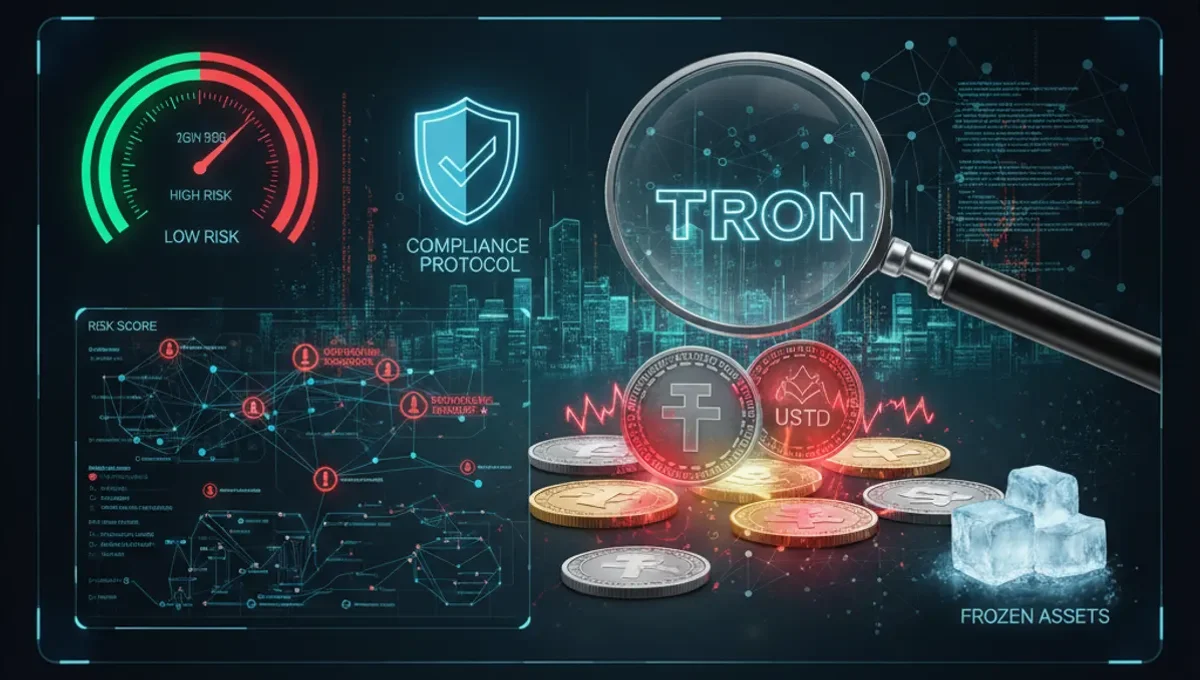
Risk scores typically range from 0 (clean) to 100 (high risk), though some systems use percentage or categorical ratings. A score of 0–20 indicates the wallet has no known exposure to illicit activity; most exchanges accept these without friction. Scores of 21–50 suggest the wallet touched a mixer or has indirect exposure to a flagged address; some exchanges require additional review. Scores of 51–80 mean the wallet has direct or recent contact with darknet markets, ransomware, or stolen funds; many exchanges will reject or freeze these deposits. Scores above 80 indicate the wallet is actively associated with sanctions lists, major scams, or ongoing illegal activity; exchanges almost always block these. Your own wallet's risk score depends on where you received funds, not just what you do with them. Receiving coins from a compromised source can taint your address even if you never intended harm.
How to Check a Wallet Address Before Accepting Crypto
Before you accept USDT, BTC, ETH, or TRX from a counterparty, screen the sending wallet address using a KYT blockchain tool. Step 1: Copy the wallet address from the sender. Step 2: Visit a verified AML screening service (check our curated list of trusted AML services on this site for safe, reliable options). Step 3: Paste the address into the search field and run the scan. Step 4: Review the risk score and any flagged categories—mixers, darknet exposure, stolen funds, sanctions. Step 5: If the score is below your exchange's acceptable threshold (typically 20–30), accept the transfer. If it's higher, ask the sender for clarification or decline. Many exchanges now require KYT checks on deposits; doing it yourself first prevents account freezes and compliance holds.
Common Risk Categories in KYT Blockchain Screening
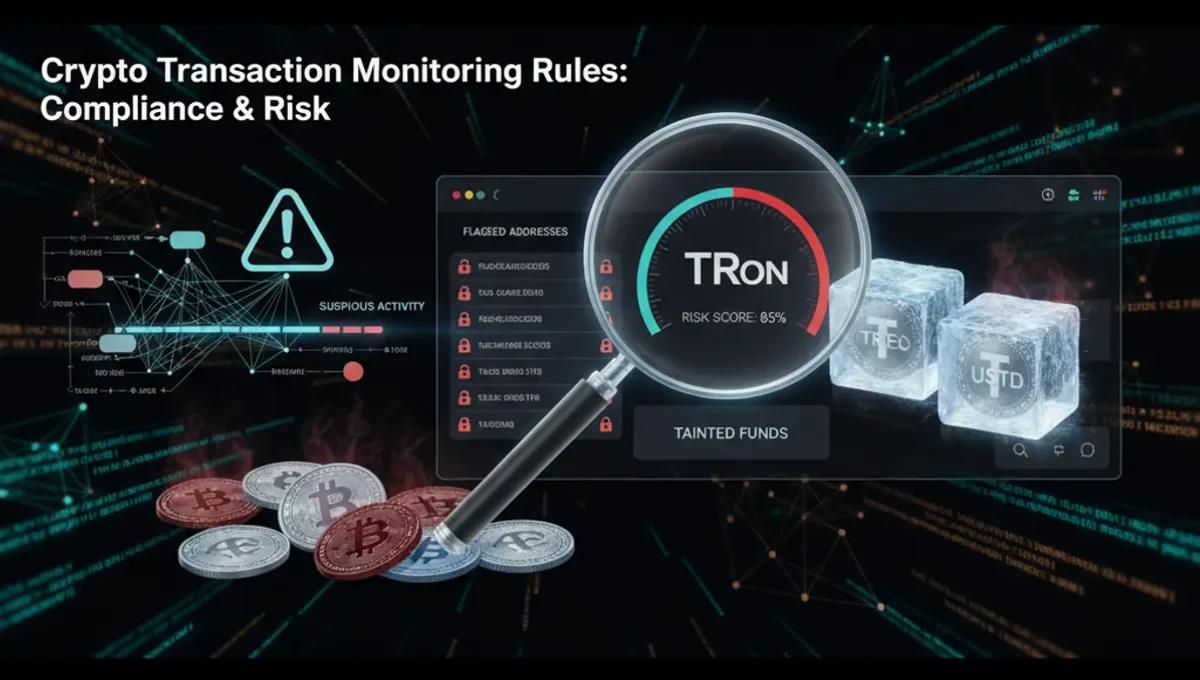
KYT crypto screening flags several specific risk types. Mixer exposure means the wallet sent or received funds through a privacy mixer—a service designed to obscure transaction trails. Darknet market exposure indicates the address has transacted with known illegal marketplaces. Stolen funds are coins traced back to hacks, theft, or fraud. Ransomware wallets are addresses that received extortion payments. Sanctions exposure means the wallet is linked to individuals or entities on OFAC or other government sanctions lists. Gambling and high-risk services may be flagged depending on your jurisdiction and exchange policy. Scam proceeds are funds from confirmed fraud schemes. Each category carries different regulatory weight; sanctions exposure is typically the most serious, while mixer exposure alone may be acceptable depending on context and local law.
What Happens If Your Crypto Is Flagged as Tainted
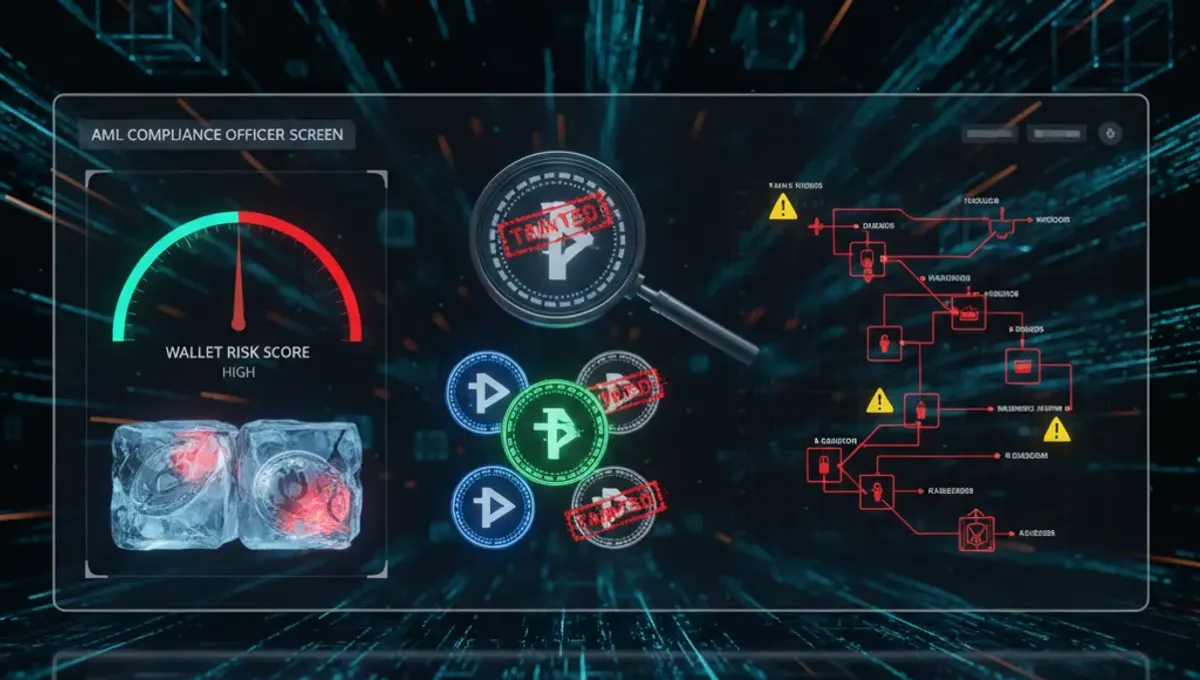
If you deposit coins flagged as dirty crypto, your exchange account may be frozen, your funds held pending review, or your deposit rejected outright. Some exchanges will unfreeze funds after manual investigation if you can prove legitimate acquisition. Others will seize tainted coins permanently. The outcome depends on the risk score, the specific risk category, and the exchange's compliance policy. Sanctions-linked funds are almost never recoverable; exchanges must comply with government freezing orders. Mixer exposure or indirect darknet contact may result in a temporary hold while compliance reviews the transaction chain. To avoid this situation, always screen wallet addresses before accepting large transfers. Use the verified AML services listed on our site—they provide real-time KYT blockchain screening and risk reports you can share with your exchange if needed.
Best Practices for Avoiding Tainted Crypto
Protect yourself by screening every significant incoming transfer. Request the sender's wallet address in advance and run a KYT check before confirming the transaction. Set a personal acceptable risk threshold—many users reject anything above 30 on a 0–100 scale. If you receive unexpected crypto from an unknown source, do not deposit it immediately; screen it first. Keep records of your KYT screening reports; if your exchange questions a deposit, you can prove you performed due diligence. When withdrawing to a personal wallet, verify the receiving address is yours and not a typo (address poisoning attacks are common). If you operate a business or exchange, integrate KYT blockchain monitoring into your deposit workflow—most compliance platforms offer API access. Educate your team on risk categories so they can explain holds or rejections to customers. Using trusted AML services from our verified provider list ensures your screening meets regulatory standards and protects your account.
Frequently asked questions
What is the difference between KYT and KYC in crypto
KYC (Know Your Customer) verifies the identity of a user—name, address, ID—at account signup. KYT (Know Your Transaction) monitors the funds themselves for illicit history, regardless of who owns the wallet. You need both: KYC confirms you are who you claim; KYT ensures your money is not stolen or sanctioned. Exchanges require both to stay compliant.
Can I recover crypto if it is flagged as dirty or stolen
Recovery depends on the risk category and exchange policy. Coins linked to sanctions are almost never recoverable; exchanges must freeze them by law. Stolen funds may be recoverable if the original victim files a claim and law enforcement intervenes. Mixer exposure alone usually does not prevent recovery, but the exchange may hold funds pending review. Contact your exchange's compliance team with proof of your legitimate acquisition.
How often does KYT blockchain data update
KYT databases update continuously as new transactions occur and new threats are identified. Most services refresh risk scores multiple times per day. However, a wallet's historical risk score is permanent—past exposure to mixers or darknet markets remains on record. Real-time monitoring means new illicit activity is flagged within hours, not days.
What risk score should I accept before depositing crypto
Most exchanges accept scores of 0–20 without review. Scores of 21–50 may trigger manual checks. Scores above 50 are typically rejected or frozen. Set your personal threshold based on your exchange's policy and risk tolerance. Always screen before depositing; use verified AML services from our trusted provider list to get accurate, actionable risk reports.
Does using a mixer make my crypto permanently tainted
Mixer exposure is flagged in KYT screening, but it does not make coins permanently unusable. However, exchanges may hold or reject deposits with mixer exposure depending on their compliance stance. The exposure remains on the blockchain forever, so future screening will always detect it. Avoid mixers if you plan to use regulated exchanges.