What Is an AML Crypto Check and Why Does It Matter
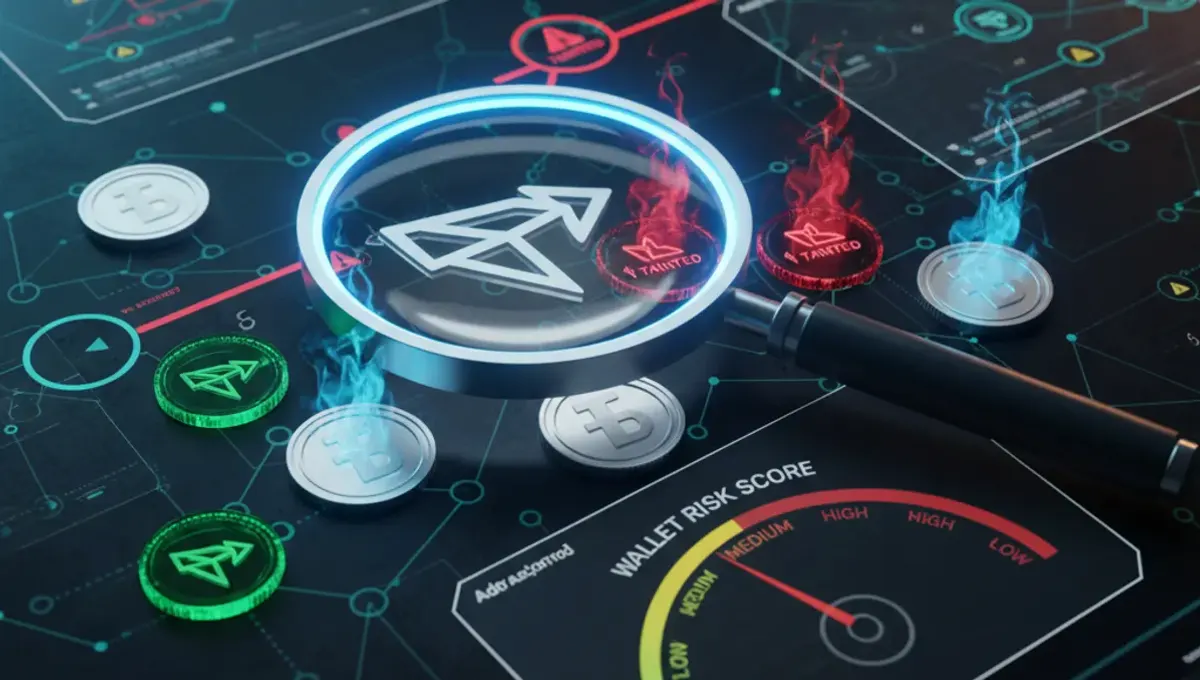
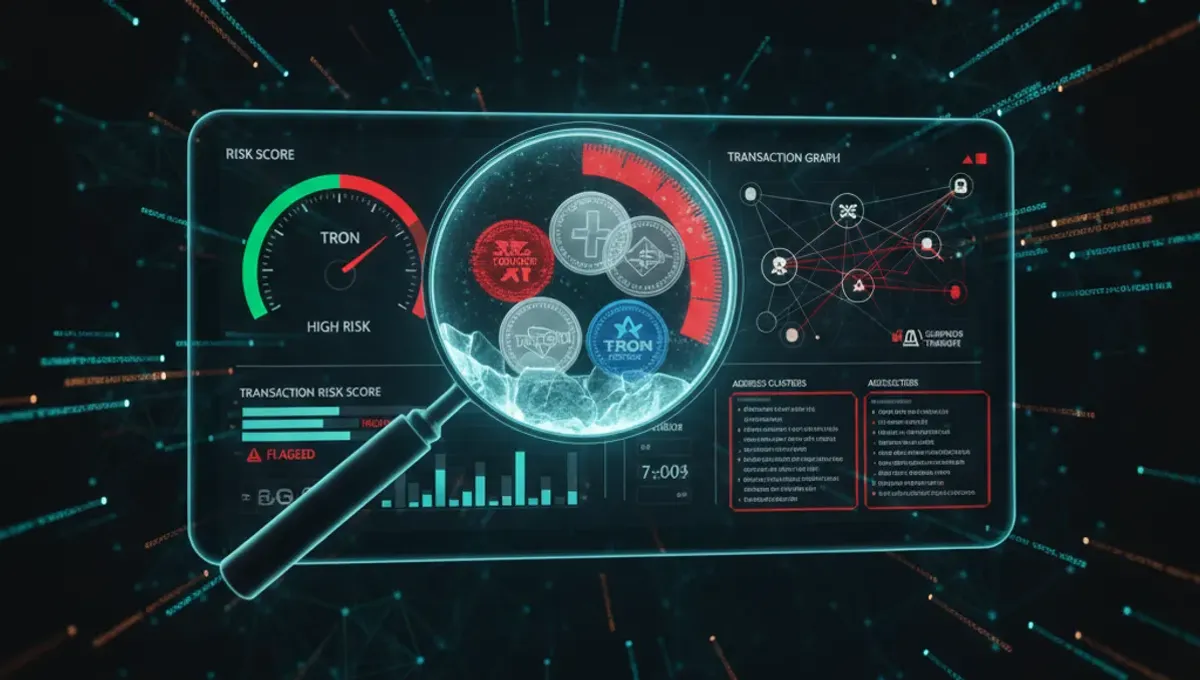
An AML (Anti-Money Laundering) crypto check scans a blockchain address against known risk databases to flag whether funds are tainted. These databases track coins linked to mixers, darknet markets, scams, stolen funds, and sanctioned entities. When you receive cryptocurrency, the source wallet's history travels with it. If that wallet is flagged, your exchange may freeze your account or reject the deposit during KYC verification. A free AML crypto check identifies risk before you accept payment, giving you time to refuse or report suspicious transfers. Exchanges use blockchain analytics tools to monitor incoming funds; running your own AML check first puts you ahead of compliance checks that could otherwise lock your account.
How AML Risk Scoring Works for Crypto Wallets
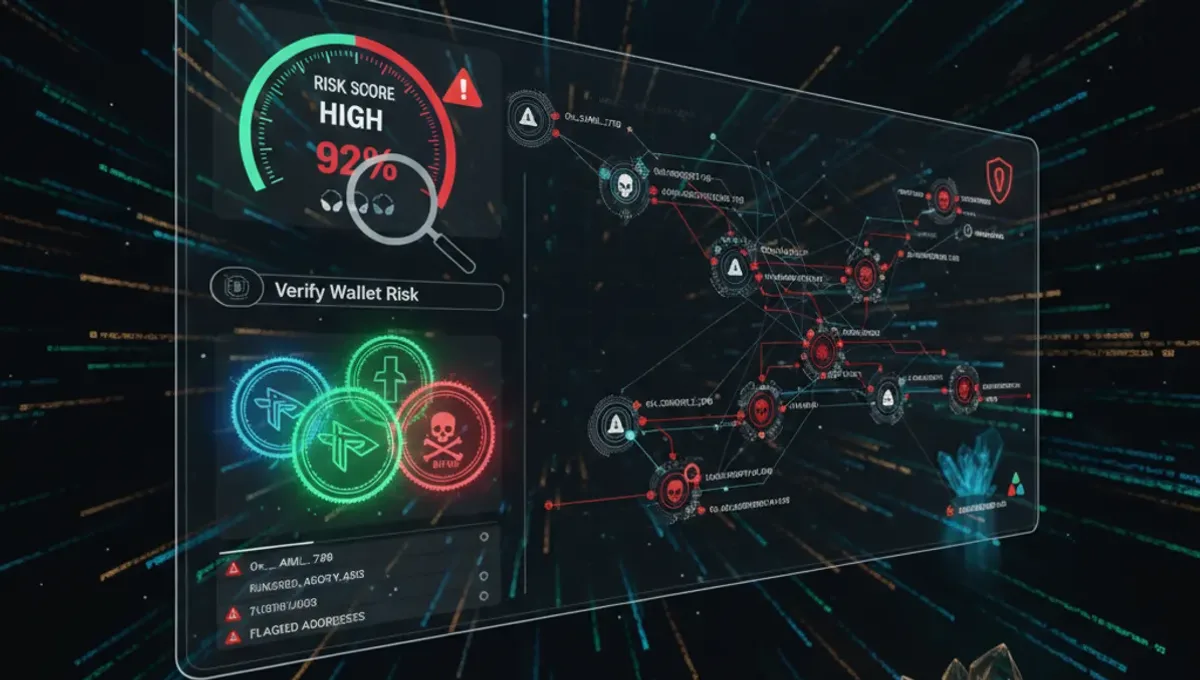
AML risk scores rank wallet addresses on a scale, typically 0–100 or low/medium/high, based on transaction history and counterparty exposure. A score reflects the probability that funds are connected to illicit activity. Scoring factors include: direct transactions with known darknet addresses, use of privacy mixers, rapid movement through multiple wallets, association with known scam or theft incidents, and connections to sanctioned entities. A wallet may have a high risk score even if the current owner is legitimate—the score reflects the coin's history, not the person holding it now. Most exchanges accept addresses with low risk scores (typically under 20–30) without friction. Medium-risk scores (30–70) may trigger manual review. High-risk scores (above 70) often result in frozen deposits or account restrictions. Understanding your incoming wallet's score helps you decide whether to accept the payment or request funds from a different address.
How to Check a Crypto Wallet Address for AML Risk
To run an AML crypto check on a wallet address, follow these steps:
- Collect the wallet address you want to screen (e.g., a TRX, USDT, BTC, or ETH address).
- Visit a verified AML screening service—our curated list of trusted AML services on this site includes tools that offer free checks with basic risk data.
- Paste the address into the checker and run the scan.
- Review the risk score, flagged categories (darknet, mixer, scam, sanctions), and transaction history summary.
- Note any high-risk flags or recent suspicious activity.
- Decide whether to accept the payment or request an alternative address.
Many services offer a free AML crypto check with limited detail; paid tiers provide deeper transaction history and counterparty analysis. For a single address check before accepting payment, a free check is often sufficient. If you receive frequent payments or manage large volumes, a paid subscription or API integration with an exchange is more practical.
AML Crypto Wallet Check: What Risk Flags Mean
Common AML flags on a crypto wallet check include:
Darknet Exposure: The address has received or sent funds to known darknet marketplace addresses. This is a high-risk indicator.
Mixer Usage: Coins passed through a privacy mixer (CoinJoin, Tornado Cash, etc.), which obscures transaction trails. Exchanges often reject mixer-flagged deposits.
Stolen Funds: The address is linked to a known theft or hack incident. Exchanges will typically freeze these deposits.
Scam Association: Funds came from a wallet flagged in scam reports or fraud databases.
Sanctions: The address is connected to a sanctioned entity or jurisdiction under international restrictions.
Gambling: Funds originated from or passed through gambling platforms; some exchanges have stricter policies on gambling-linked coins.
A single flag does not always mean rejection, but it signals elevated compliance review. Exchanges may request additional documentation or freeze the deposit pending investigation. If your incoming address shows any of these flags, contact the sender and request funds from a clean address, or be prepared for account review delays.
Free AML Crypto Check vs. Paid Services: What You Get
A free AML crypto check typically provides a risk score and basic flag categories (darknet, mixer, stolen, sanctions) for a single address. This is sufficient for one-off payment verification before accepting funds.
Paid AML screening services offer:
- Detailed transaction history and counterparty analysis
- Real-time monitoring of incoming addresses
- API integration with exchanges or wallets
- Batch address screening for high-volume operations
- Custom risk thresholds and compliance reporting
- Priority support and audit trails for regulatory compliance
For individuals receiving occasional crypto payments, a free AML crypto check is adequate. For businesses, traders, or exchanges, a paid subscription ensures consistent compliance and reduces manual review time. Our verified AML services list includes both free and paid options; start with a free check to understand the risk, then upgrade if you need ongoing monitoring or batch processing.
What to Do If Your Incoming Crypto Is Flagged as Tainted
If an AML crypto check flags incoming funds as high-risk, take these steps:
- Do not deposit immediately. Contact the sender and ask for clarification or an alternative address.
- Request a new transfer. Ask the sender to send funds from a different wallet with a clean history.
- Document the incident. Keep records of the flagged address and your refusal, in case your exchange reviews the transaction.
- Report if necessary. If the address is linked to theft or scam, report it to your exchange's compliance team before attempting deposit.
- Use a verified AML service. Confirm the flag through a trusted screening tool before rejecting payment, to avoid false positives.
If you accidentally deposit flagged funds, your exchange may freeze the account during investigation. Cooperation with compliance teams and proof that you screened the address beforehand can help resolve the hold faster. This is why running an AML crypto check before accepting payment is essential—it protects both you and your exchange account.
Acceptable AML Risk Thresholds and Exchange Policies
Most exchanges accept addresses with low AML risk scores (0–20) without additional review. Medium-risk scores (20–50) may require manual verification or additional KYC documentation. High-risk scores (50+) often trigger deposit holds or rejection.
Exchange policies vary by jurisdiction and regulatory environment. Some exchanges are stricter and reject any mixer-flagged or darknet-associated coins. Others allow medium-risk deposits with additional review. Before accepting a payment, check your exchange's stated AML policy or contact their compliance team.
A practical threshold for most users: accept addresses with risk scores under 30 and no darknet, mixer, or stolen-funds flags. If a score is 30–50 with minor flags, request clarification from the sender. Reject any address with scores above 50 or direct darknet/theft connections. Running an AML crypto check free of charge before deciding gives you the data to make this judgment confidently and protect your account from compliance issues.
Frequently asked questions
Is there a free AML crypto check tool I can use right now
Yes. Several verified AML services offer free checks for single addresses with basic risk scoring and flag categories. Visit our curated AML services list to find free options. Enter your wallet address, and you'll get a risk score and flagged categories (darknet, mixer, stolen, sanctions) within seconds. Free checks are sufficient for verifying one incoming payment before you accept it.
Can I check a USDT or TRX address for AML risk
Yes. AML checks work on any blockchain address, including USDT (ERC-20, TRC-20, etc.) and TRX (Tron). Enter the full address into an AML screening tool, and it will scan the address history regardless of the token or blockchain. Risk scoring applies to the address itself, not the token type, so a flagged USDT address carries the same compliance risk as a flagged BTC address.
What happens if I deposit flagged crypto into my exchange account
Your exchange's compliance team will likely freeze the account during investigation. Deposits linked to darknet, theft, or sanctions are high-priority compliance flags. The hold can last days or weeks. Cooperation and proof that you screened the address beforehand may help resolve it faster. This is why running an AML crypto check before accepting payment is critical—it prevents the freeze in the first place.
How often should I run an AML crypto check on incoming addresses
Run a check every time you receive a payment from a new or unfamiliar address. If you receive frequent payments, consider a paid AML service with real-time monitoring or API integration. For one-off transactions, a free AML crypto check before deposit is standard practice and takes less than a minute.
Can an AML check tell me if coins are stolen
Yes, if the coins are linked to a known theft or hack incident. AML screening databases track stolen funds from major exchange hacks and theft reports. A flagged address will show 'stolen funds' or 'theft' in the risk categories. However, not all stolen coins are in these databases yet, so absence of a flag does not guarantee coins are clean—it means they are not flagged in the current dataset.