What Is a Crypto AML Check and Why It Matters
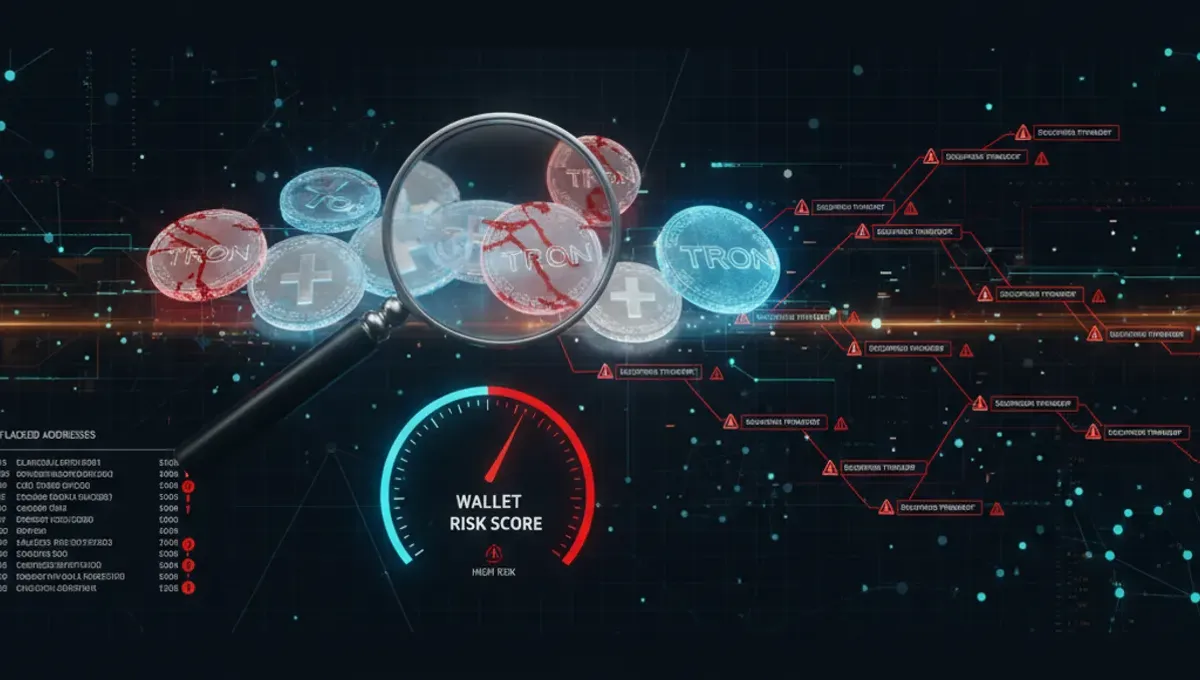
An AML check in crypto is a wallet screening against known risk databases: darknet market wallets, theft records, sanctions lists, mixer services, and scam addresses. Exchanges and custodians use AML checks to comply with anti-money laundering regulations and prevent account freezes. If you receive USDT or other tokens from a flagged address, your exchange may lock your funds pending investigation, or close your account entirely. A free AML crypto check before accepting payment identifies tainted coins early, so you avoid the compliance burden. Risk categories include mixer exposure (coins tumbled through privacy services), darknet transactions, stolen funds, gambling platforms, and sanctioned jurisdictions. Running an AML check crypto wallet screening is not optional for serious traders—it is a practical safeguard.
How AML Risk Scoring Works for Crypto Wallets
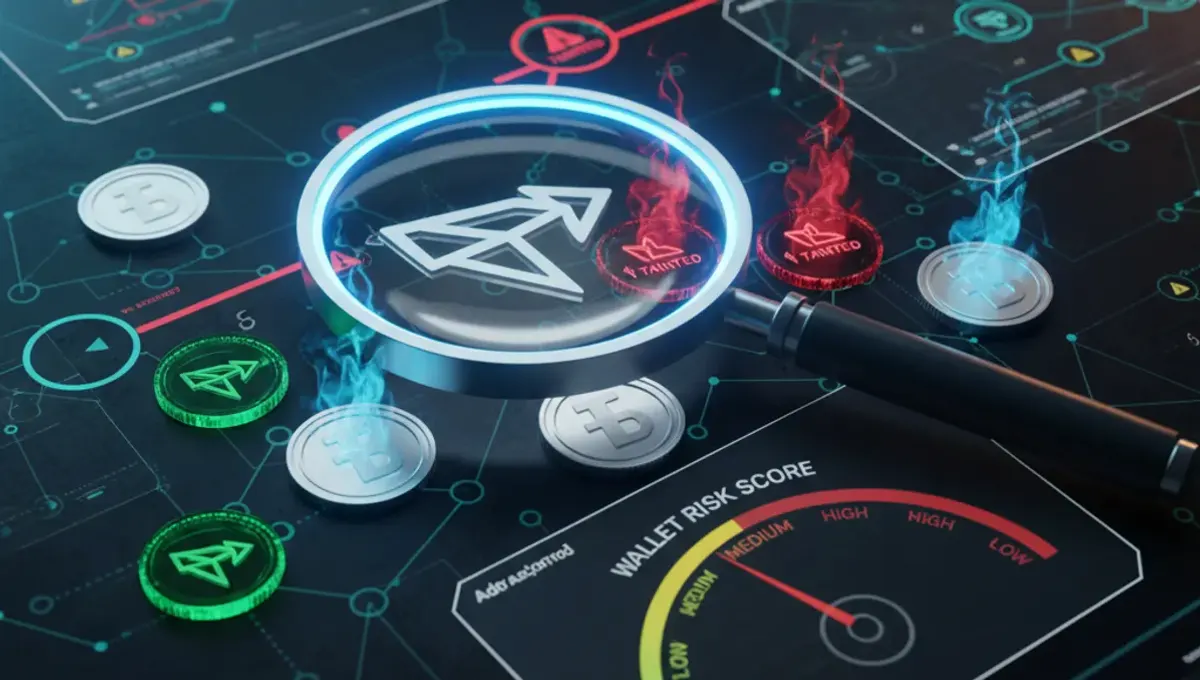
AML risk scores range from low (clean history) to critical (direct darknet or theft links). Blockchain analytics firms assign scores by tracing transaction history, identifying cluster patterns, and cross-referencing against known bad-actor databases. A low risk score means the wallet has minimal exposure to illicit activity. A medium score flags some mixer interaction or unverified sources. A high or critical score indicates direct darknet market links, stolen funds, or sanctioned entity involvement. Each AML check crypto service uses slightly different thresholds, but most flag scores above 50–70 as elevated risk. The risk score reflects the wallet's entire on-chain history, not just recent activity. Exchanges typically reject deposits from critical-risk addresses and may flag medium-risk wallets for manual review. Understanding your risk score before sending funds prevents surprise account freezes.
Step-by-Step: How to Check a Crypto Wallet Address for AML Risk
Follow these steps to run an AML check online on any wallet:
- Gather the wallet address you want to screen (TRC20, ERC20, or native chain format).
- Visit a trusted AML screening service (our curated AML Services list on this site includes verified providers).
- Paste the wallet address into the check tool.
- Review the risk score and flagged categories (darknet, mixer, theft, sanctions, gambling).
- Check the transaction history summary and cluster analysis if available.
- Decide whether to accept the payment based on your risk tolerance and exchange policy.
- Document the AML check result for compliance records.
Most AML check crypto wallet services return results in seconds. Free AML crypto check tools often show a basic risk score; paid services provide detailed transaction traces and cluster reports. If the address shows medium or high risk, contact the sender to confirm legitimacy or decline the payment. Never assume a flagged address is fraudulent—some legitimate wallets have mixer exposure—but always verify before accepting large amounts.
Understanding Risk Score Levels and Acceptable Thresholds
Risk score interpretation varies by service, but common thresholds are:
- Low (0–20): Clean history, minimal darknet or mixer exposure. Safe to accept.
- Medium (21–50): Some mixer interaction or unverified sources. Review transaction details; acceptable for small amounts if sender is known.
- High (51–80): Notable darknet or theft cluster links, or sanctions flag. Reject unless you have strong reason to trust the sender.
- Critical (81–100): Direct darknet market, stolen funds, or sanctioned entity. Do not accept; report to exchange if received.
Your exchange may have stricter policies—some reject any address above 30, others tolerate up to 50. Check your exchange's AML policy before transacting. For high-value transfers, treat any score above 40 as a red flag. For small test amounts, medium-risk addresses may be acceptable if you trust the counterparty. Document your risk assessment for compliance audits. An AML check crypto wallet screening is only useful if you act on the result.
What Happens If Your Coins Are Flagged as Tainted or Dirty
If you receive USDT, TRX, or BTC from a flagged address, your exchange may freeze the deposit pending investigation. Frozen USDT and other stablecoins are common outcomes when compliance teams detect darknet or theft exposure. Your account may be locked for days or weeks, or permanently closed if the funds are linked to sanctions or major theft. You will not lose the coins—they remain in your account—but you cannot withdraw or trade them. To resolve a freeze, contact exchange support with proof of the source (invoice, contract, or counterparty identity). If the source is legitimate but flagged due to mixer use or old darknet activity, the exchange may release the funds after manual review. If the source is confirmed illicit, the exchange will report the transaction to financial authorities and may close your account. Prevention is far easier: run an AML check crypto wallet before accepting payment.
How to Avoid Receiving Dirty Crypto and Tainted Coins
Best practices to stay compliant:
- Always run an AML check online before accepting large payments. Use the verified services listed on our AML Services page.
- Ask counterparties for wallet provenance—where the coins came from, how long they have held them.
- Reject any address with a high or critical risk score unless you have absolute certainty of legitimacy.
- Use separate wallets for different counterparties to isolate risk.
- Keep records of all AML checks and risk assessments for audit trails.
- Monitor your own wallet for mixer exposure; avoid using privacy mixers if you plan to deposit into regulated exchanges.
- If you receive unsolicited payments from unknown addresses, do not move them to your exchange immediately—screen them first.
Tainted coins are not always obvious; a wallet may appear clean but have old darknet history. Blockchain analytics tools catch what the naked eye cannot. An AML check crypto wallet screening takes 30 seconds and prevents account freezes worth thousands in lost time and compliance costs.
Choosing a Trusted AML Check Service for Your Wallet Screening
Not all AML check tools are equal. Free AML crypto check services offer basic risk scores but limited detail. Paid services provide transaction traces, cluster analysis, and sanctions cross-referencing. When selecting a provider, verify they cover your target chains (TRC20, ERC20, Bitcoin, etc.), update their darknet and theft databases regularly, and offer clear risk definitions. Our curated AML Services page lists verified providers that meet these standards—start there to find a tool that fits your compliance needs and budget. Look for services that explain their methodology, show transaction history, and flag specific risk categories (mixer, darknet, theft, sanctions, gambling). Avoid services that promise 100% accuracy or make unverifiable claims. Cross-check high-risk results with a second provider if the stakes are high. Most professional traders use multiple AML check services for critical transactions. An AML check crypto wallet is only as good as the data behind it.
Frequently asked questions
Is there a free AML crypto check tool?
Yes, several services offer free AML check crypto wallet screening with basic risk scores. Free tools show whether an address has darknet or mixer exposure but provide limited transaction detail. Paid services offer deeper analysis. Our AML Services page lists both free and premium options to help you choose.
Can I check a TRC20 USDT address for AML risk?
Yes, most AML check crypto services support TRC20 addresses on the Tron blockchain. Paste the wallet address into the tool to screen for darknet, theft, mixer, and sanctions exposure. TRC20 USDT is commonly flagged if it has passed through privacy mixers or known scam wallets.
What does a high AML risk score mean for my exchange account?
A high AML risk score (typically 50+) means the wallet has notable exposure to darknet, theft, or mixer activity. If you deposit from a high-risk address, your exchange may freeze the funds pending investigation or close your account. Always screen wallets before accepting payment to avoid frozen USDT and account bans.
How long does a crypto AML check take?
Most AML check online tools return results in seconds to a few minutes. The screening compares the wallet address against darknet, theft, sanctions, and mixer databases. Detailed reports with transaction traces may take slightly longer but are usually available within minutes.
Can I dispute a frozen USDT deposit after an AML check?
Yes, you can contact your exchange to dispute a freeze. Provide proof of the source and explain why the wallet is legitimate. If the freeze is due to mixer exposure or old darknet history but the current source is clean, the exchange may release the funds after manual review. Prevention via an AML check crypto wallet beforehand is easier.