What Are Crypto Transaction Monitoring Rules?
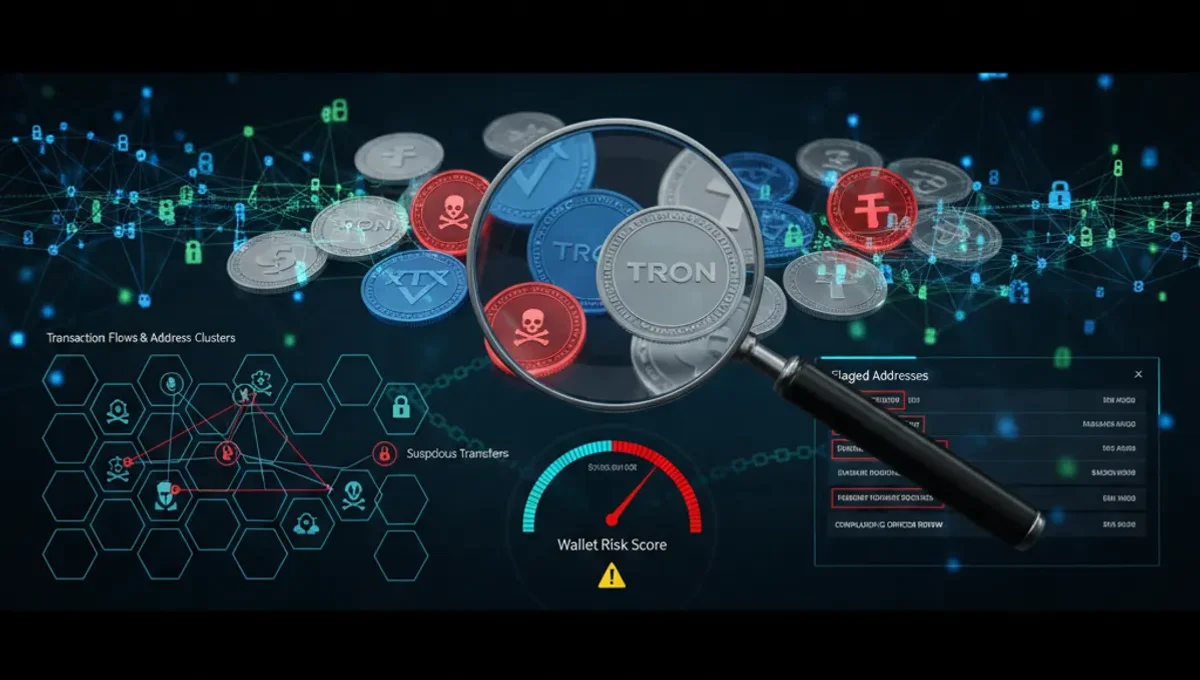
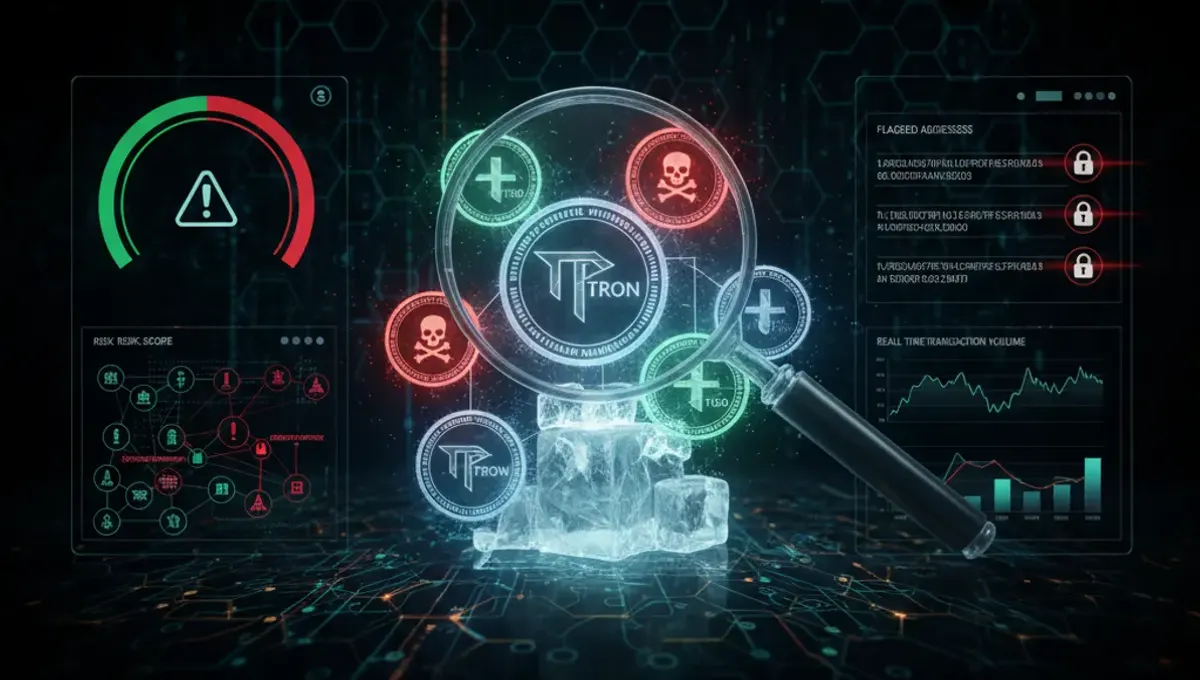
Crypto transaction monitoring rules are formal procedures that exchanges and custodians apply to every incoming and outgoing transaction. They define which transactions trigger alerts, which risk thresholds require manual review, and which activities result in account suspension or fund seizure. These rules typically cover transaction size, sender and receiver reputation, wallet history, and connection to known illicit sources. Regulators in most jurisdictions require exchanges to implement transaction monitoring as part of their AML (anti-money laundering) and KYC (know-your-customer) obligations. The rules are not uniform globally; they vary by jurisdiction, but most follow guidance from the Financial Action Task Force (FATF) and regional regulators. A transaction monitoring solution evaluates each transfer in real time, comparing wallet addresses against multiple databases: darknet marketplace registries, sanctions lists, stolen cryptocurrency records, and scam victim databases.
How Do Exchanges Monitor Transactions?
Exchanges monitor transactions using automated blockchain transaction monitoring tools that scan the public ledger for risk signals. When you deposit or withdraw crypto, the exchange's system checks the sending address against known high-risk categories. These categories include: mixers and tumblers (services designed to obscure transaction trails), darknet market wallets, addresses flagged in theft reports, wallets linked to ransomware, gambling platforms in restricted jurisdictions, and entities on government sanctions lists. The monitoring happens in milliseconds; most exchanges complete the check before crediting your account. If a transaction scores above a certain risk threshold, it may be held for manual review by compliance staff. Some exchanges apply stricter rules to high-value transfers or to customers in regulated sectors (financial institutions, casinos, money transmitters). The blockchain transaction monitoring process is continuous; even after a deposit clears, exchanges may flag it later if new intelligence links the address to illicit activity.
AML Transaction Monitoring Rules: Risk Thresholds & Scoring
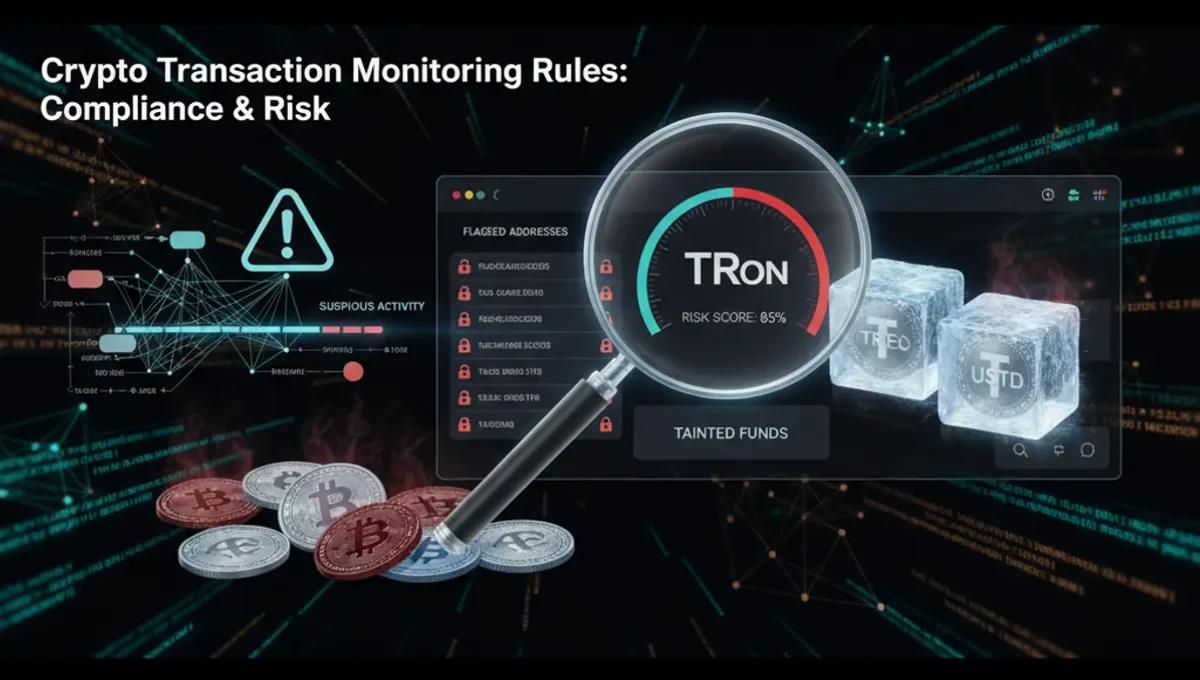
AML transaction monitoring rules define risk score thresholds that determine whether a transaction proceeds, is delayed, or is blocked. Risk scores typically range from 0 to 100, with higher scores indicating greater suspicion. Most exchanges set thresholds as follows: 0–20 (low risk, immediate approval), 21–50 (medium risk, possible review), 51–80 (high risk, manual investigation required), 81+ (very high risk, likely rejection or account freeze). A transaction's risk score depends on multiple factors: the age and history of the sending wallet, whether it has received funds from known darknet sources, the transaction amount relative to the wallet's typical activity, and whether the destination address is flagged. For example, a $500 transfer from a 5-year-old wallet with clean history scores low; a $50,000 transfer from a brand-new address that previously received mixer outputs scores high. Exchanges may also apply stricter rules based on your account profile: new accounts, accounts in high-risk jurisdictions, or accounts with previous compliance issues face lower thresholds. Some exchanges publish their risk score methodology; others keep it proprietary.
Common Risk Categories in Crypto Transaction Monitoring
Exchanges flag transactions based on several established risk categories. Darknet exposure is the most common trigger; any address that has received funds from known darknet marketplaces is flagged, even if the current transaction appears legitimate. Mixer usage is another major red flag; transactions routed through privacy mixers or tumblers suggest an attempt to obscure the trail, which regulators view as suspicious. Stolen funds are tracked through blockchain analysis and theft reports; if your address received cryptocurrency from a hacked exchange or wallet, the transaction may be blocked even if you were unaware of the theft. Sanctions screening checks whether the sending or receiving address belongs to an individual or entity on government sanctions lists (OFAC, EU, UN). Scam-related addresses are flagged if they match known Ponzi schemes, rug pulls, or phishing campaigns. Gambling and illegal marketplace activity are monitored in jurisdictions where such transactions are restricted. Ransomware payments are automatically blocked in most regulated exchanges. A single transaction can trigger multiple risk categories; for example, a transfer from a mixer that previously received darknet funds scores very high.
How to Check a Wallet Before Receiving Crypto
Before you accept an incoming transfer, you can check the sending wallet's risk profile using blockchain transaction monitoring tools. Here's the process:
- Obtain the sender's wallet address.
- Visit a reputable AML check service (our curated list of verified AML services on this site includes trusted providers).
- Enter the address and select the blockchain (Bitcoin, Ethereum, Tron, etc.).
- Review the risk score and detailed report, which shows any connections to darknet, mixers, theft reports, or sanctions.
- If the score is below your acceptable threshold (typically 30–50 for most users), the transfer is likely safe. If the score is above 50, contact the sender to clarify the source of funds; if they cannot explain it, decline the transfer. For USDT and TRC20 tokens on Tron, the same process applies; check the Tron address before accepting the deposit. This pre-check prevents you from receiving tainted coins, which can later trigger your own account freeze when you try to move them.
What Happens When a Transaction Is Flagged?
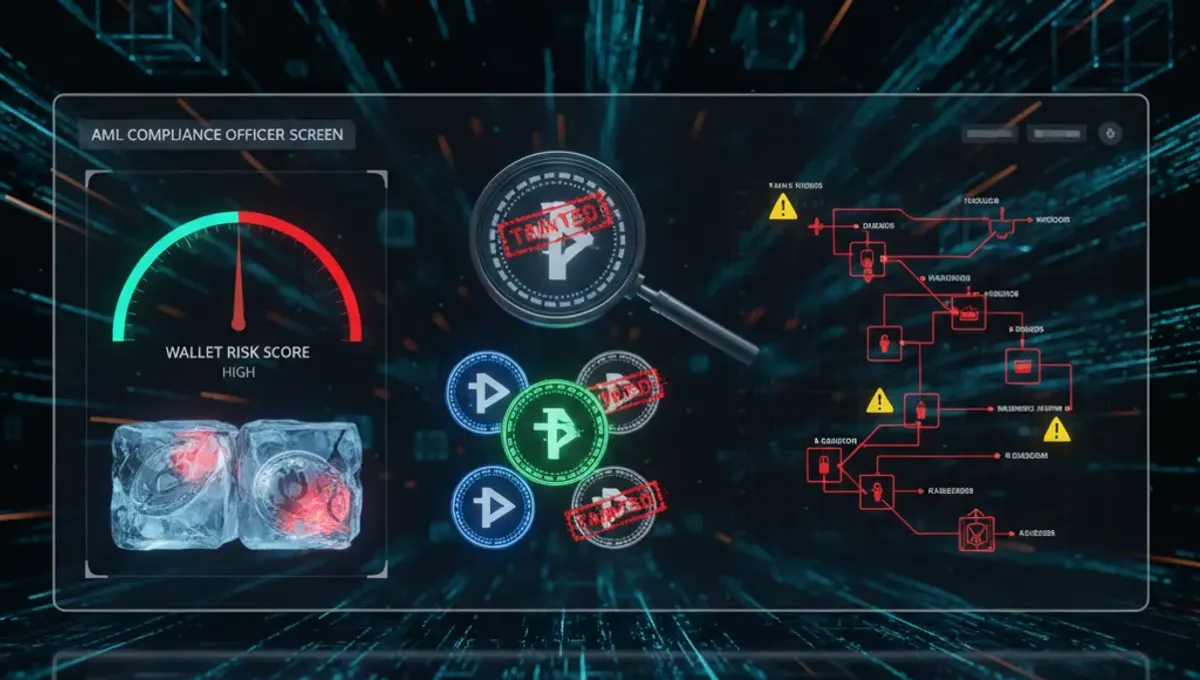
When a transaction exceeds a risk threshold, the exchange's compliance team reviews it manually. The review typically takes 24–72 hours. During this time, the funds are held in a pending state; you cannot withdraw or trade them. The compliance officer may request additional information: proof of the source of funds, explanation of the transaction purpose, or documentation of your relationship to the sender. If you provide satisfactory documentation, the transaction is approved and the funds are released. If the explanation is unsatisfactory or if the address is confirmed to be connected to illegal activity, the transaction is rejected and the funds are returned to the sender. In severe cases (e.g., confirmed stolen funds or sanctions violations), the exchange may freeze your entire account and report the activity to regulators. This can result in permanent account closure and potential legal consequences. If your transaction is flagged, respond promptly and honestly; delays or evasive answers increase the likelihood of rejection or account suspension.
Best Practices to Avoid Transaction Monitoring Issues
To minimize the risk of your transactions being flagged, follow these practices:
- Use established, regulated exchanges and custodians for all deposits and withdrawals; avoid peer-to-peer transfers from unknown sources.
- Before accepting a large transfer, check the sender's wallet using an AML check service to verify it has no darknet or mixer connections.
- Keep your wallet activity consistent; sudden large transfers from a dormant address raise suspicion.
- Avoid using privacy mixers or tumblers; while legal in most jurisdictions, they trigger automatic flags.
- If you receive an unexpected transfer, investigate its source before moving it; tainted coins can freeze your account later.
- Maintain clear records of all transactions and their sources; if flagged, documentation is your best defense.
- Use the trusted AML services listed on our verified services page to screen wallets before major transactions.
- If your account is flagged, respond to compliance requests within 48 hours; delays suggest evasion. These practices keep your exchange account safe and your funds accessible.
Frequently asked questions
What is a crypto transaction monitoring tool?
A crypto transaction monitoring tool is software that scans blockchain addresses and transactions against databases of known high-risk sources: darknet markets, mixers, stolen funds, sanctions lists, and scams. Exchanges use these tools to screen deposits and withdrawals in real time. Users can also access public versions to check wallet risk before sending or receiving crypto.
What risk score should I accept for a crypto transfer?
Most users should accept transfers with a risk score below 30–40. Scores of 40–60 warrant caution and further investigation of the source. Scores above 60 indicate likely connections to darknet, mixers, or theft; most exchanges will flag or reject these. Your acceptable threshold depends on your risk tolerance and regulatory requirements.
Can I receive stolen crypto without knowing it?
Yes. If you receive cryptocurrency that was stolen in a hack or theft, you may not know it immediately. However, when you try to move those coins to an exchange, the transaction monitoring system will flag them as tainted. Your account may be frozen, and the funds may be seized. This is why checking the sender's wallet before accepting large transfers is critical.
How long does a transaction monitoring review take?
Most exchanges complete automated transaction monitoring checks within seconds to minutes. If a transaction is flagged for manual review, compliance staff typically respond within 24–72 hours. During this time, your funds are held and unavailable. Providing clear documentation of the transaction source can speed up approval.
What happens if my exchange account is frozen due to transaction monitoring?
If your account is frozen, you cannot withdraw, deposit, or trade. The exchange will notify you and request documentation explaining the flagged transaction. If you provide satisfactory proof of legitimate source, the account may be unfrozen. If the transaction is confirmed as illegal or tainted, the account may be permanently closed and funds seized or returned to authorities.