What Are Cryptocurrency AML Red Flags?
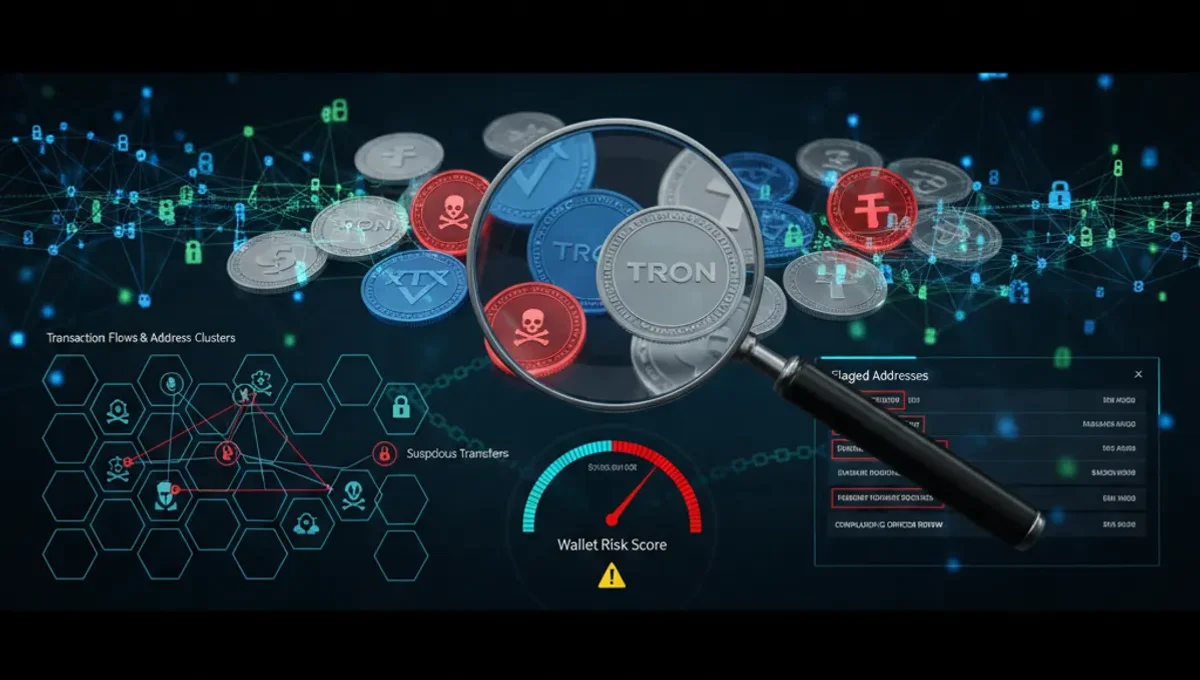
Cryptocurrency AML red flags are behavioral and transactional indicators that suggest money laundering, terrorist financing, or other illicit activity. These flags alert compliance teams and blockchain analytics platforms to potential risk. Common AML red flags include: transactions routed through mixing services designed to obscure fund origins; rapid movement of funds between wallets with no clear business purpose; large deposits followed immediately by withdrawals to different addresses; activity linked to known darknet marketplaces; transfers from or to sanctioned entity addresses; and wallet patterns consistent with stolen fund movement. Each flag doesn't necessarily indicate guilt, but clusters of flags increase the risk score assigned to a wallet or transaction. Exchange compliance teams use these indicators to decide whether to accept, freeze, or reject deposits and withdrawals.
How Does Transaction Monitoring Cryptocurrency Work?
Transaction monitoring cryptocurrency systems track blockchain activity in real time, comparing wallet behavior against known risk databases and behavioral models. These systems work by: collecting blockchain transaction data across networks like Bitcoin, Ethereum, and Tron; analyzing wallet address patterns, fund flows, and timing; cross-referencing addresses against darknet market lists, mixer service outputs, and sanctions databases; calculating risk scores based on transaction velocity, mixing activity, and source reputation; and flagging high-risk activity for human review. Compliance teams at exchanges use transaction monitoring to decide whether to process deposits, freeze accounts, or request additional documentation. The monitoring doesn't stop at the initial deposit—ongoing surveillance tracks whether funds move to high-risk addresses after entering an exchange wallet. This continuous monitoring is why receiving tainted coins can result in account restrictions even weeks after the initial transaction.
Common Cryptocurrency Transaction Red Flags
Specific transaction patterns trigger AML alerts across exchanges and blockchain analytics platforms. Rapid round-trip transfers—sending funds to an address and receiving them back within minutes—suggest layering attempts to obscure origins. Structuring, or breaking large amounts into smaller deposits across multiple wallets or time periods, mimics traditional money laundering tactics and raises suspicion. Deposits from mixing services like tumblers or coin join protocols indicate deliberate obfuscation. Transactions to or from known darknet marketplace addresses are immediate red flags, as are transfers involving gambling platforms, ransomware payment addresses, or scam wallets. Sudden spikes in transaction volume from a previously dormant wallet suggest account compromise or fund movement related to illicit activity. Transfers to sanctioned entity addresses violate compliance rules and trigger automatic freezes. Even legitimate-looking transactions can be flagged if the source wallet has a history of high-risk behavior, because blockchain transaction monitoring evaluates the entire chain of custody, not just the immediate sender.
What Is a Red Flag in AML Compliance?
In AML compliance, a red flag is any transaction, behavior, or characteristic that suggests potential money laundering, terrorist financing, sanctions evasion, or fraud. Red flags serve as decision points for compliance officers: they indicate when additional investigation, documentation, or rejection is warranted. A single red flag doesn't automatically block a transaction, but multiple flags increase the risk score and likelihood of account restrictions. Examples include: a customer depositing funds from an unknown source with no stated business reason; a wallet receiving funds from a mixer service; rapid movement of large amounts to multiple addresses; activity inconsistent with the customer's stated use case; or deposits originating from high-risk jurisdictions or entities. Compliance teams use red flags to apply the principle of proportionate response: low-risk flags might trigger a request for documentation, while high-risk flags like darknet connections or sanctions violations result in immediate account freeze or closure. Understanding what constitutes a red flag helps you structure your own transactions to avoid triggering unnecessary scrutiny.
How to Check a Wallet for Red Flags Before Accepting Payment
Before accepting cryptocurrency payment, verify the wallet address using AML screening tools to identify potential red flags. Follow these steps: First, obtain the complete wallet address from the sender and confirm it matches their stated identity or business. Second, use a blockchain analytics or AML check service to scan the address against darknet databases, mixer service lists, sanctions lists, and stolen fund registries. Third, review the risk score and detailed report, which should show transaction history, connected addresses, and any flagged activity. Fourth, examine the source of funds—legitimate business addresses typically show clear transaction patterns and business-related activity, while risky wallets show rapid transfers, mixer connections, or darknet links. Fifth, check whether the address has received funds from known scam wallets or ransomware addresses. If the risk score is high or multiple red flags appear, request an alternative payment method or additional documentation from the sender. For USDT, TRX, BTC, and ETH addresses, the screening process is identical—the blockchain analytics platform cross-references the address against the same risk databases regardless of asset type. Our curated list of verified AML services on this site provides trusted tools for this screening; starting there ensures you're using platforms with current, accurate risk data.
Risk Score Levels and What They Mean
AML screening services assign risk scores to wallets, typically on a scale from 0 to 100 or using categories like low, medium, high, and critical. A score of 0–20 indicates minimal risk: the wallet shows normal transaction patterns, no mixer connections, no darknet links, and no sanctions violations. Scores of 21–50 suggest moderate risk: the wallet may have received funds from a mixer service, shown unusual transaction velocity, or had minor connections to flagged addresses, but no direct darknet or sanctions exposure. Scores of 51–80 indicate high risk: the wallet shows clear mixing activity, multiple connections to flagged addresses, or transaction patterns consistent with layering. Scores of 81–100 represent critical risk: the wallet is directly connected to darknet markets, ransomware, scams, stolen funds, or sanctioned entities. Most exchanges accept deposits from wallets scoring below 50, request additional documentation for scores between 50–75, and reject or freeze accounts for scores above 75. However, thresholds vary by exchange and jurisdiction. Understanding your exchange's specific risk tolerance helps you decide whether to proceed with a transaction or request alternative payment methods.
What to Do If Your Coins Are Flagged as Dirty or Tainted
If you receive cryptocurrency flagged as tainted or dirty—meaning it has a high-risk AML score or direct connections to illicit activity—your options are limited but not nonexistent. First, do not attempt to hide the transaction or move the funds to another exchange; this triggers additional red flags and may result in permanent account closure. Second, contact your exchange's compliance team immediately and provide documentation of the transaction source. If you received the funds unknowingly or as payment for legitimate goods or services, explain the context and provide evidence of the business relationship. Third, if the funds are genuinely tainted (stolen, ransomware-related, or darknet-connected), your exchange will likely freeze the account to comply with regulations. In this case, you may be able to recover the funds only if you can prove you were an unwitting recipient and cooperate with law enforcement. Fourth, avoid using mixing services to obscure the origin of tainted coins; this constitutes money laundering and exposes you to criminal liability. Prevention is far more effective than remediation: always screen wallet addresses before accepting payment using the verified AML services listed on our platform.
Frequently asked questions
What are the main red flags for cryptocurrency money laundering?
Main red flags include rapid transfers between wallets, mixing service activity, large deposits followed by immediate withdrawals, darknet marketplace connections, sanctioned entity transfers, and stolen fund links. Multiple flags together increase risk scores and trigger account freezes at exchanges.
How do exchanges detect money laundering in crypto transactions?
Exchanges use transaction monitoring systems that analyze blockchain activity in real time, cross-reference addresses against darknet and sanctions databases, calculate risk scores, and flag suspicious patterns. Compliance teams review flagged transactions and decide whether to process, freeze, or reject them.
Can I receive cryptocurrency from a wallet with a high AML risk score?
You can receive it, but your exchange may freeze the deposit, request documentation, or reject it entirely depending on the risk score and exchange policy. Wallets scoring above 75 typically trigger account restrictions. Always screen addresses before accepting payment to avoid complications.
What happens if I deposit tainted cryptocurrency into my exchange account?
Your exchange may freeze your account pending investigation, request proof of legitimate source, or permanently close your account if the funds are linked to darknet markets or ransomware. Compliance teams use transaction monitoring to detect tainted coins and enforce regulations.
How can I check if a crypto wallet has money laundering red flags?
Use AML screening services to scan the wallet address against darknet databases, mixer lists, and sanctions registries. The service returns a risk score and detailed report showing transaction history and flagged connections. Our verified AML services list provides trusted tools for this screening.