What Is an AML Check and Why It Matters
AML stands for Anti-Money Laundering. In crypto, an AML check screens a wallet address or transaction history to detect if funds have been linked to illegal activity, sanctions violations, or fraud. The check compares blockchain data against multiple risk databases: darknet marketplace wallets, known scam addresses, stolen cryptocurrency records, and sanctioned entity lists. When you receive USDT, TRX, BTC, or ETH, an AML check reveals whether those coins carry compliance risk. Exchanges and custodians use AML checks to stay compliant with financial regulations. If you receive flagged crypto, your exchange account can be frozen, your funds locked, or your withdrawal blocked. This is why checking a wallet before accepting payment is not optional—it's a practical safeguard.
How Does the AML Check Process Work
The AML check process follows these steps: First, you enter a wallet address (TRC20, ERC20, BTC, or other blockchain). Second, the screening tool queries blockchain analytics databases and compares the address against known risk lists. Third, the system assigns a risk score based on transaction history, wallet age, and connections to flagged entities. Fourth, you receive a report showing the risk level and specific risk categories detected. The entire AML check process typically takes seconds to a few minutes. Behind the scenes, the tool traces the wallet's transaction history, identifies where funds originated, and flags any links to mixers, darknet markets, gambling platforms, or stolen-funds databases. Some services also cross-reference sanctions lists maintained by governments. The result is a clear risk assessment: low, medium, or high.
What Are AML Check Requirements for Exchanges and Businesses
Exchanges and payment processors must perform AML checks to comply with financial regulations. AML check requirements vary by jurisdiction, but most regulated platforms screen incoming and outgoing transactions. When you deposit crypto to an exchange, the platform may run an AML check on your wallet address. If the wallet is flagged, the exchange can reject the deposit, freeze your account, or require additional verification. Businesses that accept crypto payments often implement AML checks to avoid receiving tainted coins. The requirements include screening against sanctions lists, checking for darknet exposure, and maintaining transaction records. Some jurisdictions require AML checks on wallets holding above a certain threshold. The goal is to prevent money laundering, terrorist financing, and fraud. For individuals, the practical requirement is simple: check any wallet before sending large amounts of crypto to an exchange or business partner.
How Long Does an AML Check Take
Most AML checks complete in seconds to two minutes. The speed depends on the screening service and blockchain congestion. A basic AML check—comparing a wallet address against known risk databases—is nearly instant. More detailed screening, including full transaction history analysis and sanctions list cross-referencing, may take a few minutes. Some services offer real-time AML checks integrated directly into payment flows, so the check happens before the transaction settles. If you're checking a wallet manually through an AML screening tool, expect results within 30 seconds to 2 minutes. Delays can occur if the blockchain is congested or if the tool is processing a high volume of requests. For exchanges and businesses running batch AML checks on multiple wallets, processing time scales with volume. The key point: AML checks are fast enough to use before accepting any crypto payment, so there's no reason to skip this step.
What Is an AML Check Fee and What Does It Cost
AML check fees vary widely depending on the service provider and check depth. Some platforms offer free AML checks with basic risk scoring. Premium services charge per check, ranging from a few dollars to higher amounts for enterprise-level screening. A typical AML check fee for a single wallet ranges from free to several dollars. Batch checks and API access for businesses cost more. The fee structure often depends on whether you need basic risk scoring or detailed transaction analysis. Free AML checks usually provide a risk score and flag obvious red flags like darknet connections. Paid checks offer deeper analysis, including full transaction history, entity identification, and sanctions screening. When evaluating AML check costs, consider the value: a small fee to avoid receiving tainted crypto that could freeze your exchange account is worthwhile. Our curated list of verified AML services on this site includes options at various price points, so you can find a service matching your budget and needs.
Understanding AML Risk Scores and What They Mean
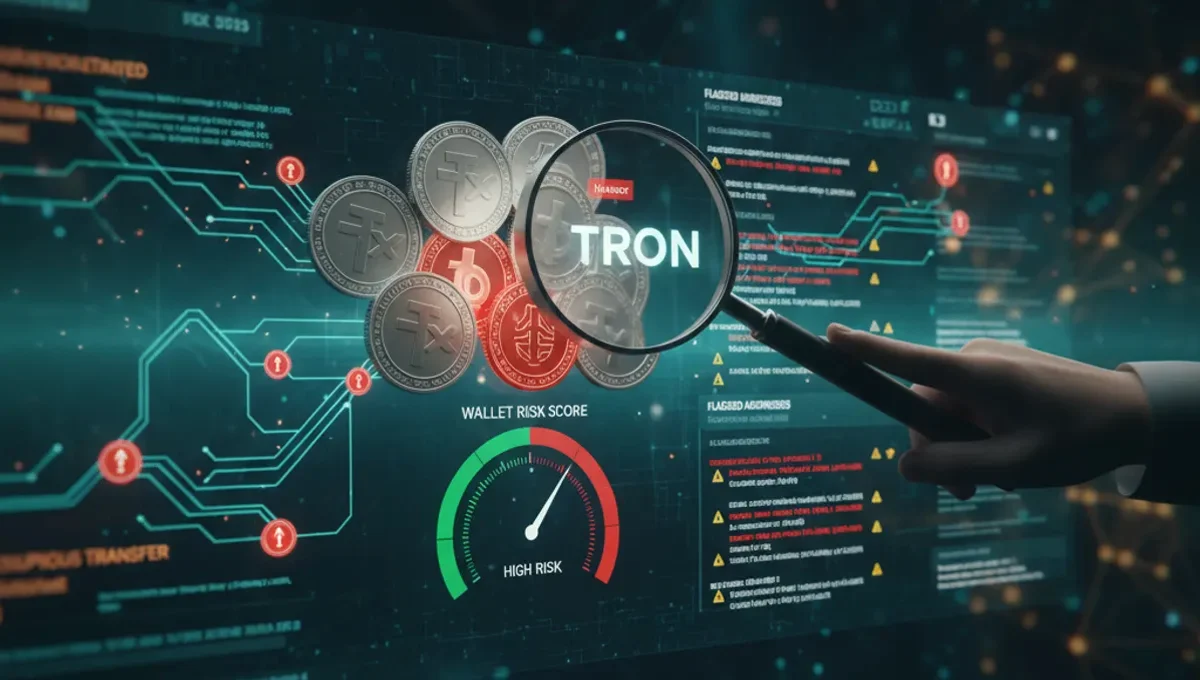
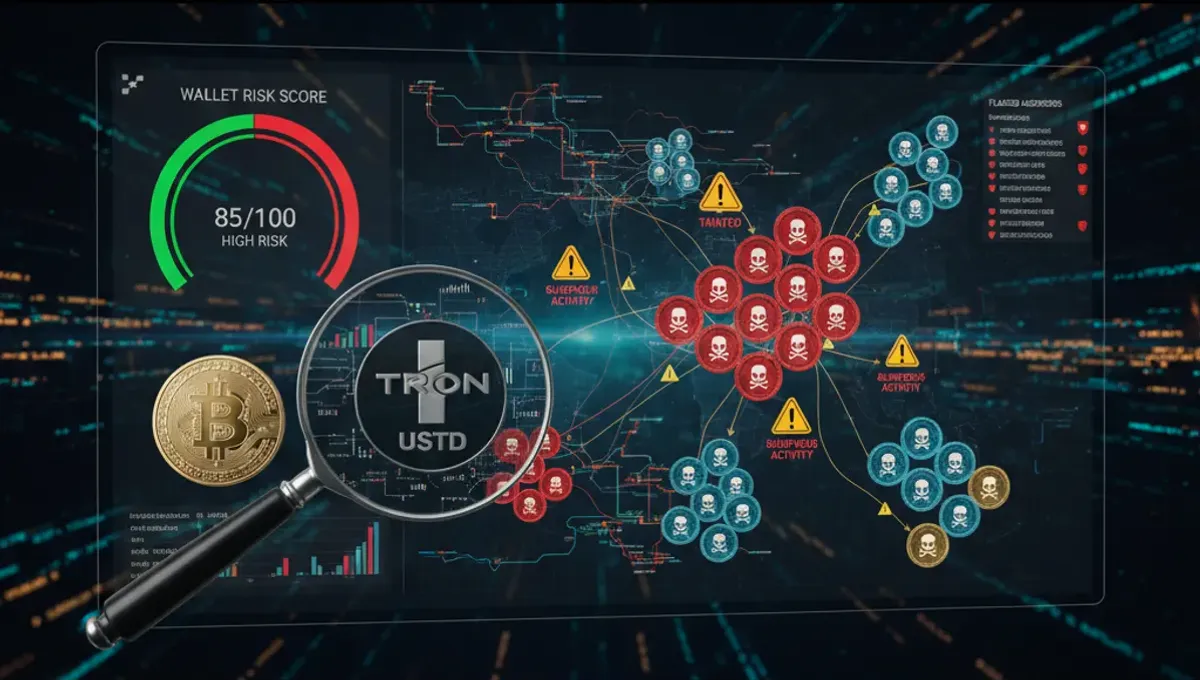
An AML risk score is a numerical or categorical rating indicating how likely a wallet is to carry compliance risk. Most services use a scale: low risk (green), medium risk (yellow), or high risk (red). Some platforms use numerical scores from 0 to 100. A low-risk score means the wallet has clean transaction history with no known links to darknet markets, scams, or stolen funds. A medium-risk score indicates some exposure—perhaps the wallet received funds from a mixer or has unclear transaction origins. A high-risk score means the wallet is directly linked to illegal activity, sanctions violations, or known fraud. When you receive a risk score, check what specific risk categories are flagged: darknet exposure, stolen funds, scam connections, sanctions violations, or gambling platforms. Acceptable risk thresholds depend on your use case. For receiving payments, most exchanges require low-risk scores. For internal transfers, medium risk may be acceptable. Never accept high-risk crypto without understanding the source.
How to Check a Wallet Before Accepting Crypto Payment
Follow these steps to check a wallet before accepting USDT, TRX, BTC, or ETH: First, obtain the wallet address from the sender. Second, copy the full address and verify it matches the sender's stated address (avoid typos). Third, visit a trusted AML screening service—our verified AML services list on this site includes tested tools. Fourth, paste the wallet address into the screening tool. Fifth, run the check and wait for results (usually 30 seconds to 2 minutes). Sixth, review the risk score and flagged categories. Seventh, decide: if the score is low, accept the payment; if medium, investigate further; if high, decline or ask the sender for clarification. Never accept high-risk crypto without understanding why it's flagged. If the sender claims the wallet is safe despite a high-risk score, ask them to provide documentation or use a different wallet. This simple process takes two minutes and protects your exchange account from frozen funds.
Frequently asked questions
What happens if I receive high-risk crypto flagged by an AML check
If you deposit high-risk crypto to an exchange, the platform may freeze your account, reject the deposit, or require additional verification. Exchanges are required to screen incoming funds and can block transactions linked to darknet markets, stolen funds, or sanctions violations. Your funds may be locked pending investigation. Always check wallets before accepting payment to avoid this situation.
Can I use a free AML check or do I need to pay
Free AML checks are available and provide basic risk scoring and red-flag detection. Paid services offer deeper analysis and full transaction history. For most users, a free AML check is sufficient to screen a wallet before accepting payment. Our verified AML services list includes both free and paid options so you can choose based on your needs.
How do I know if a wallet is connected to darknet or stolen funds
An AML check will flag darknet connections and stolen-funds links automatically. The report shows specific risk categories: if darknet exposure or stolen funds are listed, the wallet has received or sent crypto through known illegal channels. Never accept crypto from wallets flagged for these categories without understanding the source and getting written explanation from the sender.
Do I need an AML check for small crypto transfers
Yes. Even small transfers can carry compliance risk. A wallet flagged for darknet activity or stolen funds poses the same account-freeze risk regardless of amount. Running an AML check takes two minutes and costs nothing or a few dollars—it's worth doing for any transfer, especially before depositing to an exchange.
What is the difference between AML check and KYC
AML check screens a wallet address for compliance risk and illegal activity. KYC (Know Your Customer) verifies the identity of a person or business. Exchanges use both: KYC identifies who you are, AML checks whether your funds are clean. For wallet screening, you need an AML check, not KYC.