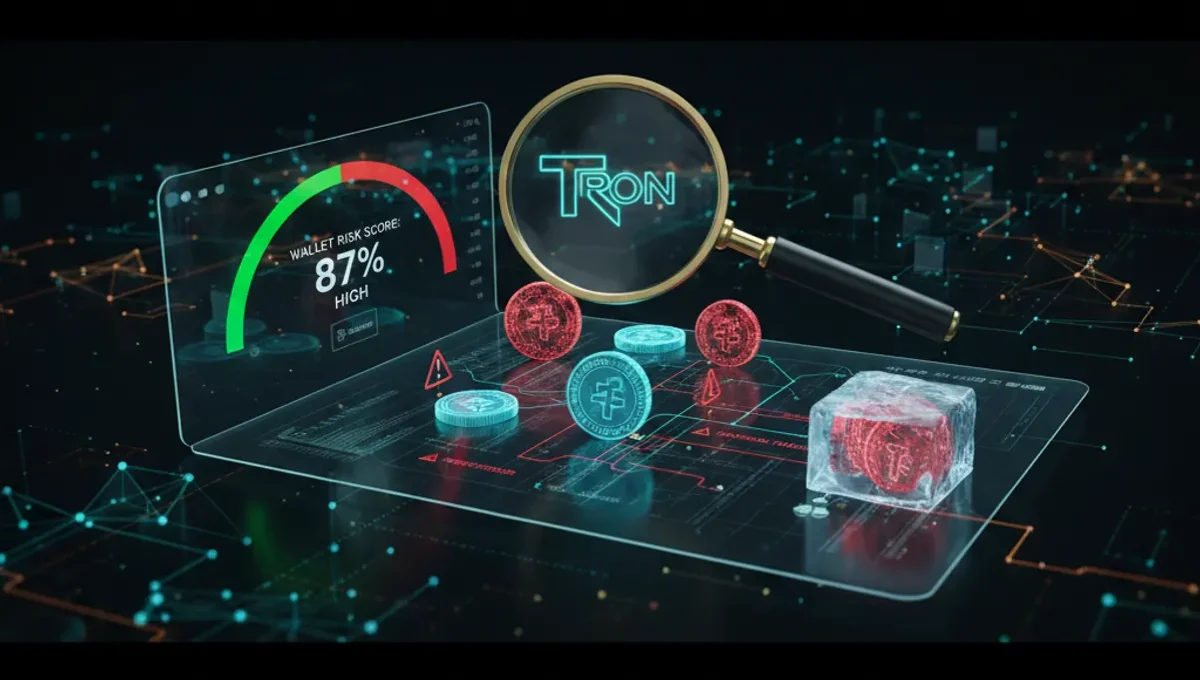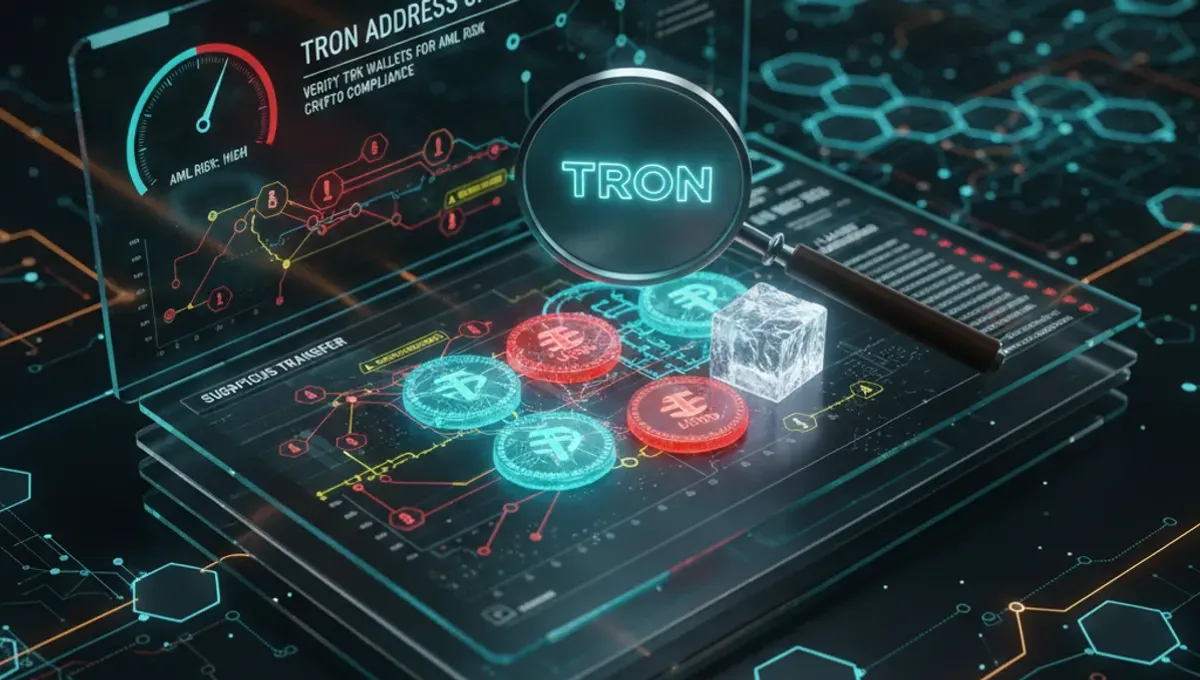
What Is a TRON Address and Why Does It Need Checking?
A TRON address is a unique identifier on the TRON blockchain, formatted as a 34-character string starting with 'T' (for example: TJzzPrfZ87D1V34Z7mWCfaejiFactoryx). Each address represents a wallet that can hold TRX (TRON's native token) and USDT-TRON (stablecoin issued on TRON). Unlike traditional bank accounts, TRON addresses are pseudonymous—anyone can see transaction history on the public ledger, but the owner's identity is not immediately visible. This transparency creates risk: a TRON address may have received funds from darknet markets, ransomware operations, or sanctioned entities without the current holder's knowledge. Exchanges and payment processors screen incoming wallets to avoid regulatory penalties. A TRON address check reveals whether funds have been tainted, allowing you to reject risky payments before they reach your account.
How Does TRON Address Lookup and AML Risk Scoring Work?
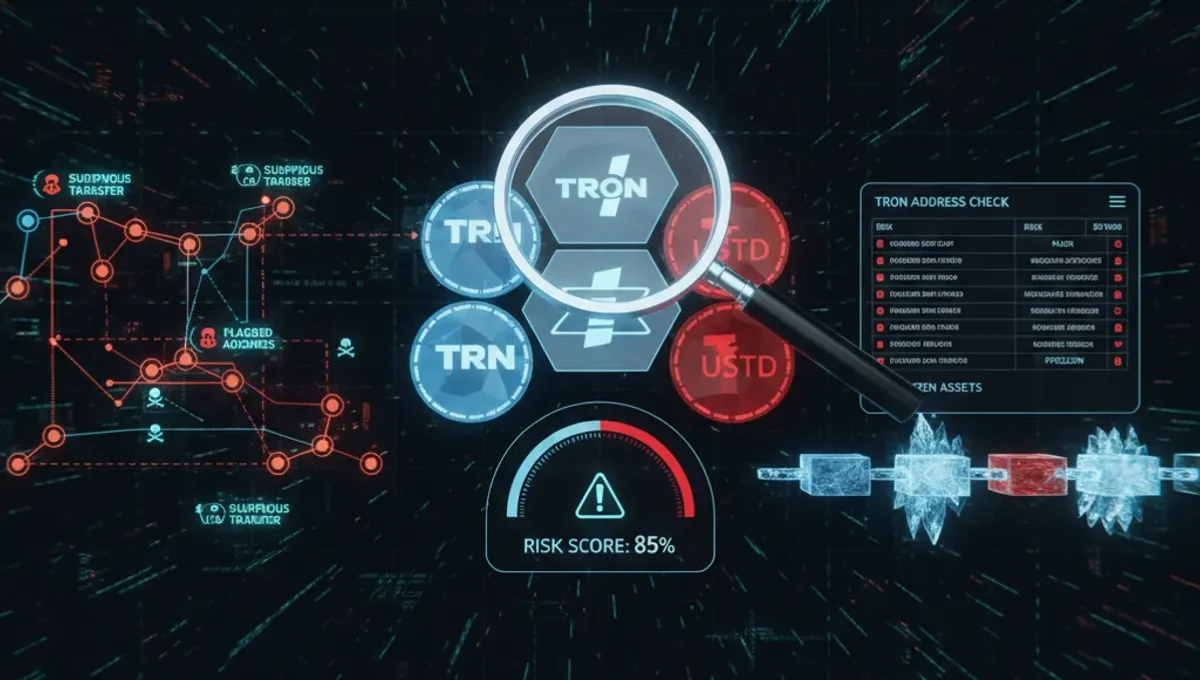
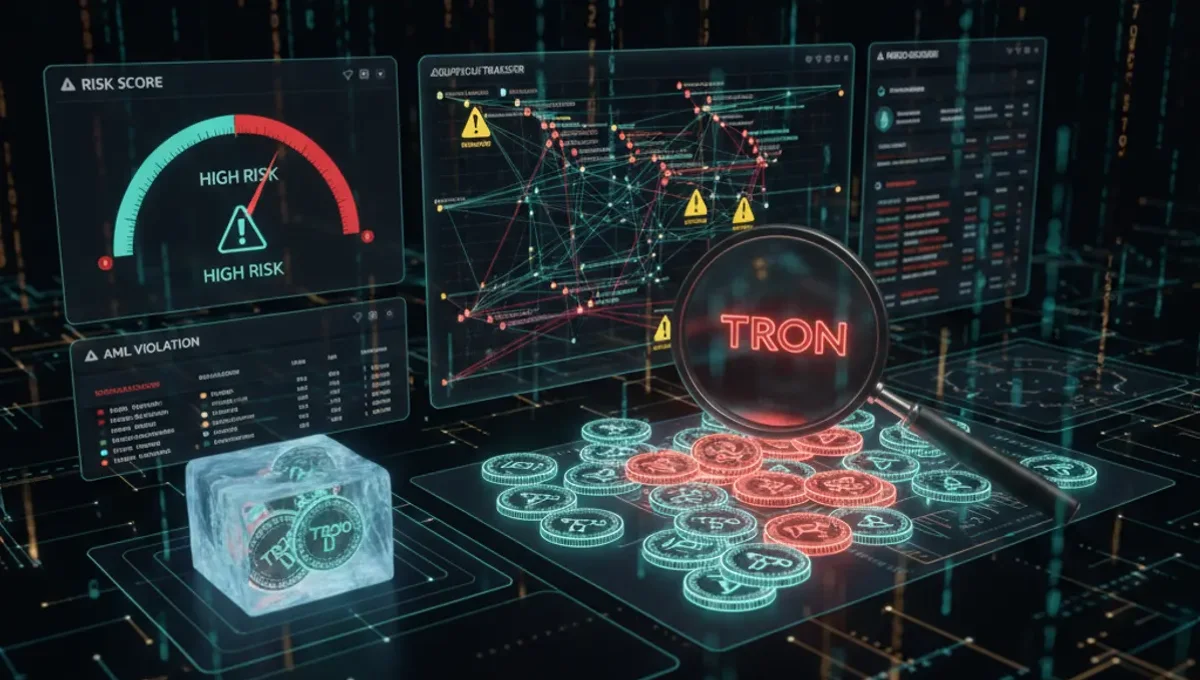
A TRON address lookup cross-references the wallet against multiple data sources: darknet market transaction records, known scam addresses, sanctions lists (OFAC), stolen fund databases, and mixer services. The system traces the transaction history backward to identify the source of funds. Each risk factor—mixing, darknet exposure, theft reports, gambling—contributes to a composite risk score, typically ranging from 0 (clean) to 100 (high risk). Scores are calculated using blockchain analytics, which follows coin movement across addresses and exchanges. For example, if a TRON address received funds directly from a known mixer or darknet marketplace, the score increases. The check also flags whether the address has interacted with sanctioned entities or has been reported as compromised. Most AML services provide a risk level summary (low, medium, high) alongside the detailed score, making it easy to decide whether to accept the payment.
Step-by-Step: How to Check a TRON Address Before Accepting Payment
Follow these steps to verify a TRON wallet address before accepting TRX or USDT:
- Copy the TRON address from the sender (ensure it starts with 'T' and is 34 characters long).
- Visit a trusted AML screening service—our curated list of verified AML services on this site includes tools designed for TRON address checks.
- Paste the address into the lookup field and initiate the scan.
- Review the risk score and detailed report, which will show transaction history, connected addresses, and any flags (darknet, mixer, sanctions, theft).
- Check the risk level summary: low-risk addresses are generally safe; medium-risk may warrant further review; high-risk addresses should be rejected.
- If the report shows mixing activity or darknet exposure, decline the payment unless you have additional context from the sender.
- Document the check result for compliance records in case of future audits.
The entire process typically takes 30 seconds to 2 minutes. Most services allow 1–3 free checks per month before requiring a subscription.
What Do TRON Address Risk Score Levels Mean?
Risk scores help you decide whether to accept a payment:
Low Risk (0–20): The address has clean transaction history with no detected darknet, mixer, or sanctions exposure. Funds appear to originate from legitimate sources. Safe to accept.
Medium Risk (21–50): The address has some concerning activity—for example, interaction with a gambling platform, minor mixing, or unconfirmed theft reports. Review the detailed report and sender context before accepting. Many businesses accept medium-risk payments with additional monitoring.
High Risk (51–100): The address shows strong indicators of financial crime: direct darknet market transactions, heavy mixer usage, OFAC sanctions match, or confirmed stolen funds. Reject these payments to protect your account from freezes and regulatory action.
Exchange policies vary: some accept only low-risk addresses, while others tolerate medium-risk with documentation. Check your exchange's AML policy and your local compliance requirements. When in doubt, reject the payment and ask the sender to provide funds from a different, cleaner address.
Common TRON Address Risk Flags and What They Mean
When you check a TRON address, the report may flag specific risk categories:
Darknet Exposure: The address has received funds from known darknet marketplaces. This is a strong indicator of illicit activity and a major red flag for exchanges.
Mixer or Tumbler Activity: The address has interacted with coin mixing services designed to obscure transaction origins. Mixers themselves are not illegal, but heavy usage suggests an attempt to hide fund sources.
Stolen Funds: The address has been linked to confirmed theft, hacking, or ransomware payments. Accepting stolen funds can result in account freezes and legal liability.
Sanctions Match: The address is associated with individuals or entities on OFAC or other government sanctions lists. Transacting with sanctioned addresses violates international law.
Scam Reports: Multiple users have reported the address as part of a known scam scheme (Ponzi, rug pull, phishing).
Gambling Platforms: The address has received or sent funds to gambling services. Some jurisdictions and exchanges restrict gambling-related transactions.
A single flag does not always mean reject—context matters. However, darknet, stolen funds, and sanctions matches are almost always grounds for refusal.
What to Do If Your TRON Address Is Flagged as High Risk
If you receive a TRON address check result showing high risk, take these steps:
1. Do not accept the payment. Receiving flagged funds can trigger your exchange to freeze your account pending investigation.
2. Inform the sender. Explain that the address has been flagged for AML compliance reasons and ask them to send funds from a different wallet.
3. Request clarification. If the sender claims the flag is an error, ask them to provide documentation (exchange account statement, transaction receipt) proving the funds are legitimate. However, be cautious—scammers often claim false positives.
4. Report if applicable. If you suspect the sender is attempting to launder funds or commit fraud, report the address to your exchange's compliance team.
5. Document everything. Keep records of the AML check result, your rejection, and any communication with the sender. This protects you if regulators later investigate.
6. Use verified AML services. Rely on the trusted services listed on our AML Services page to ensure your checks are thorough and defensible in audits.
If your own address is flagged, contact your exchange immediately to understand why and request a review.
How Exchanges Freeze TRON Wallets and Accounts
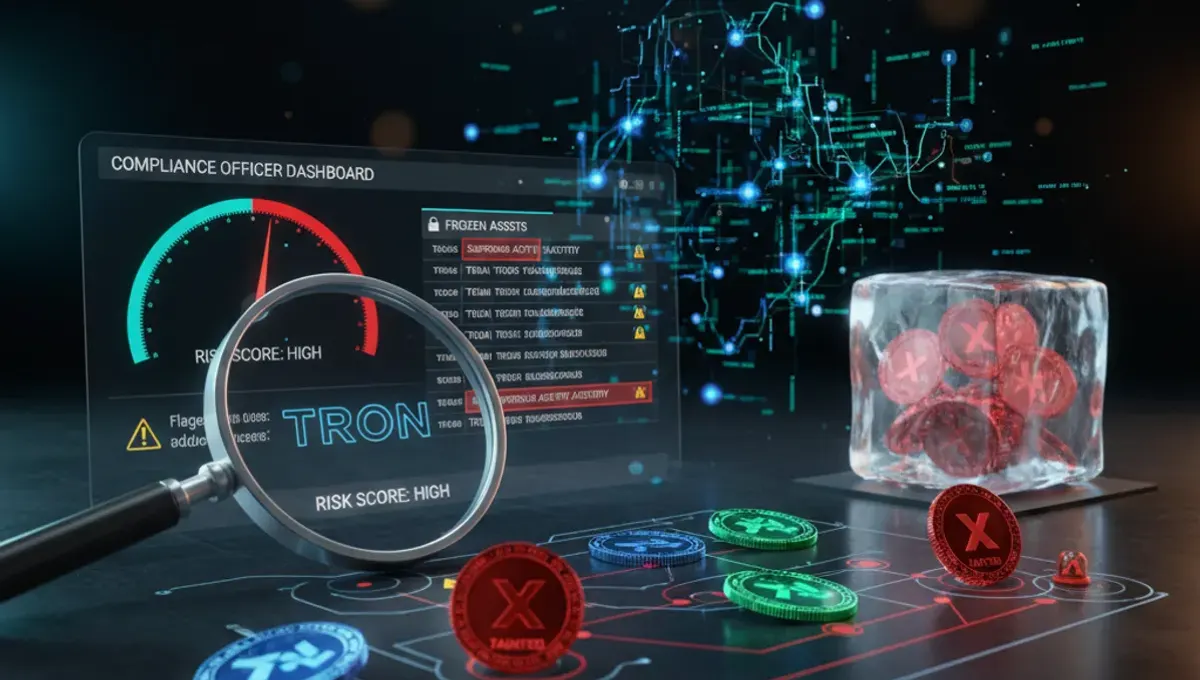
Exchanges monitor incoming and outgoing TRON transactions for AML compliance. If a wallet receives flagged funds or shows patterns consistent with money laundering, the exchange may freeze the account. Here's how it typically works:
Automated Screening: When you deposit TRON or USDT-TRON, the exchange's AML system scans the sending address against darknet, sanctions, and theft databases. If a match is found, the deposit is held pending manual review.
Transaction Monitoring: Ongoing monitoring detects suspicious patterns—rapid transfers between wallets, large round-number transactions, or activity matching known scam signatures.
Manual Investigation: If automated systems flag an account, compliance staff review transaction history, source of funds, and user identity. This can take days to weeks.
Account Freeze: If the exchange determines the funds are tainted or the user cannot prove legitimate ownership, the account is frozen. Frozen USDT-TRON cannot be withdrawn, traded, or transferred.
Regulatory Reporting: Exchanges report suspicious activity to financial authorities. In some cases, law enforcement may seize frozen funds.
The best defense is to check TRON addresses before accepting payment, ensuring you never deposit flagged funds in the first place.
Frequently asked questions
Is a TRON address checker free?
Many AML services offer 1–3 free TRON address checks per month. For unlimited checks, you typically need a paid subscription. Our curated AML Services page lists verified providers with transparent pricing. Free checks are usually sufficient for occasional verification; businesses processing many transactions benefit from paid plans.
What does a TRON address lookup reveal?
A TRON address lookup shows transaction history, connected wallets, risk score, and specific flags (darknet exposure, mixing, sanctions, stolen funds). It does not reveal the owner's identity unless they've been publicly linked to the address. The report helps you assess whether funds are safe to accept.
Can I check a TRON address meaning or format?
A TRON address is a 34-character identifier starting with 'T', representing a wallet on the TRON blockchain. It holds TRX and USDT-TRON tokens. The address itself doesn't have a 'meaning' beyond being a unique identifier, but an AML check reveals the address's transaction history and risk profile.
What happens if I accept a high-risk TRON address payment?
Accepting high-risk TRON payments can result in your exchange account being frozen during AML investigation. Frozen funds may not be withdrawn or traded. In severe cases, law enforcement may seize the funds. Always check TRON addresses before accepting payment to avoid these consequences.
How long does a TRON address check take?
Most TRON address checks complete in 30 seconds to 2 minutes. The time depends on the service's database size and current server load. Real-time checks are standard; if a service takes longer than 5 minutes, it may be experiencing technical issues.