What Is a TRON Address and How Does It Work
A TRON address is a 34-character alphanumeric string that begins with the letter T, such as TQCz8aSwFE1Z7RRFB4r8F8K9L2M3N4P5Q. It serves as the destination for TRX (TRON's native token) and TRC20 tokens (the TRON standard for custom tokens, including USDT). Each address is derived from a private key through cryptographic hashing. When someone sends funds to your TRON address, the transaction is recorded on the TRON blockchain, which is publicly visible and immutable. Unlike traditional bank accounts, TRON addresses don't require personal identification to create—anyone can generate one instantly using a wallet. However, this anonymity also means bad actors use TRON addresses for illicit activity. The blockchain records every transaction, so address history is traceable, which is why AML screening tools can flag addresses connected to theft, sanctions, or darknet markets.
How to Check a TRON Address Before Accepting Payment
Before you accept a payment to your TRON address or send funds to someone else's, follow these steps to verify the address is safe:
- Copy the full TRON address (starting with T) from the sender or recipient.
- Use a TRON address checker to scan it against AML and risk databases. Our curated list of verified AML services on this site includes tools that screen TRON addresses for exposure to mixers, darknet markets, scams, and stolen funds.
- Review the risk score and any flags. A low risk score means the address has minimal connection to illicit activity. High scores or specific flags (e.g., 'darknet exposure' or 'stolen funds') indicate caution.
- Check the address history on a block explorer like Tronscan to see recent transactions and balance.
- If the address is flagged, do not proceed with the transaction. If it's clean, proceed with confidence.
This process takes under two minutes and protects you from receiving tainted coins that could freeze your exchange account or trigger compliance holds.
TRON Address Lookup: Understanding Risk Scores and Flags
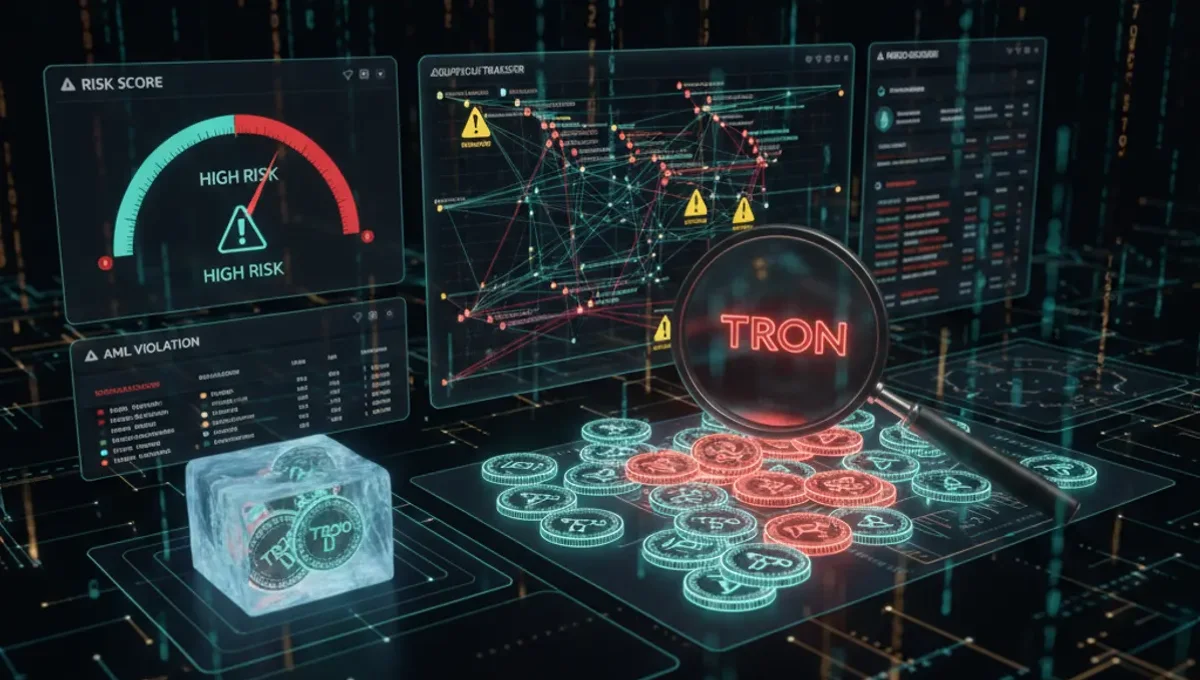
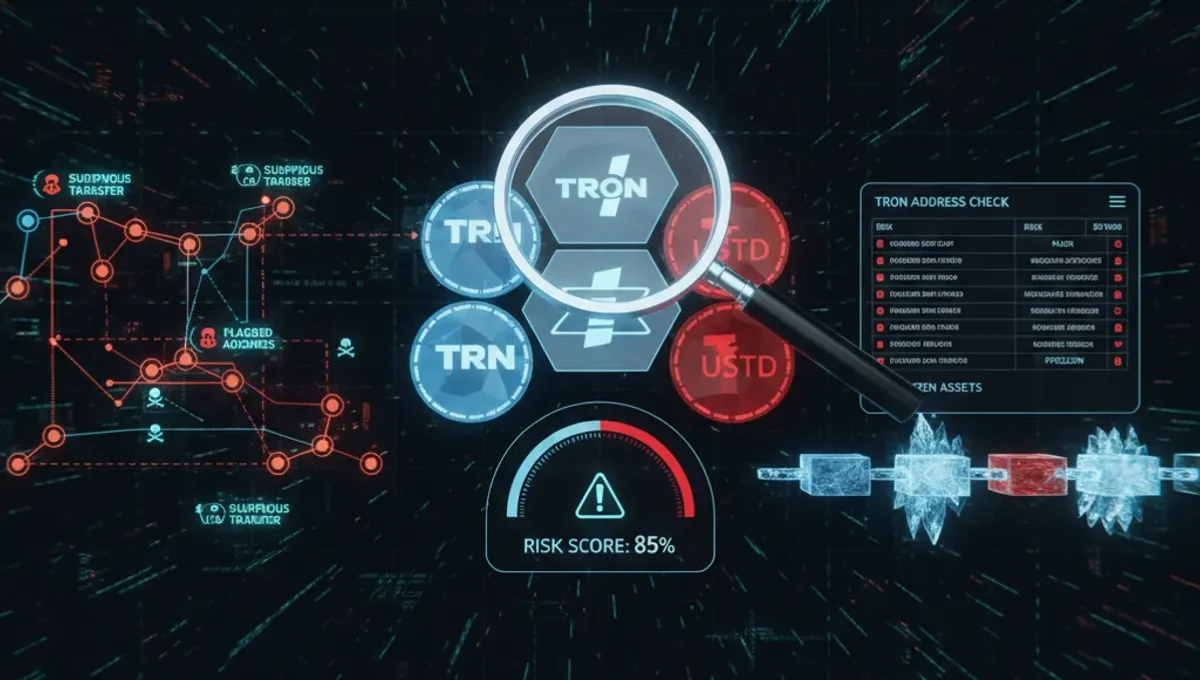
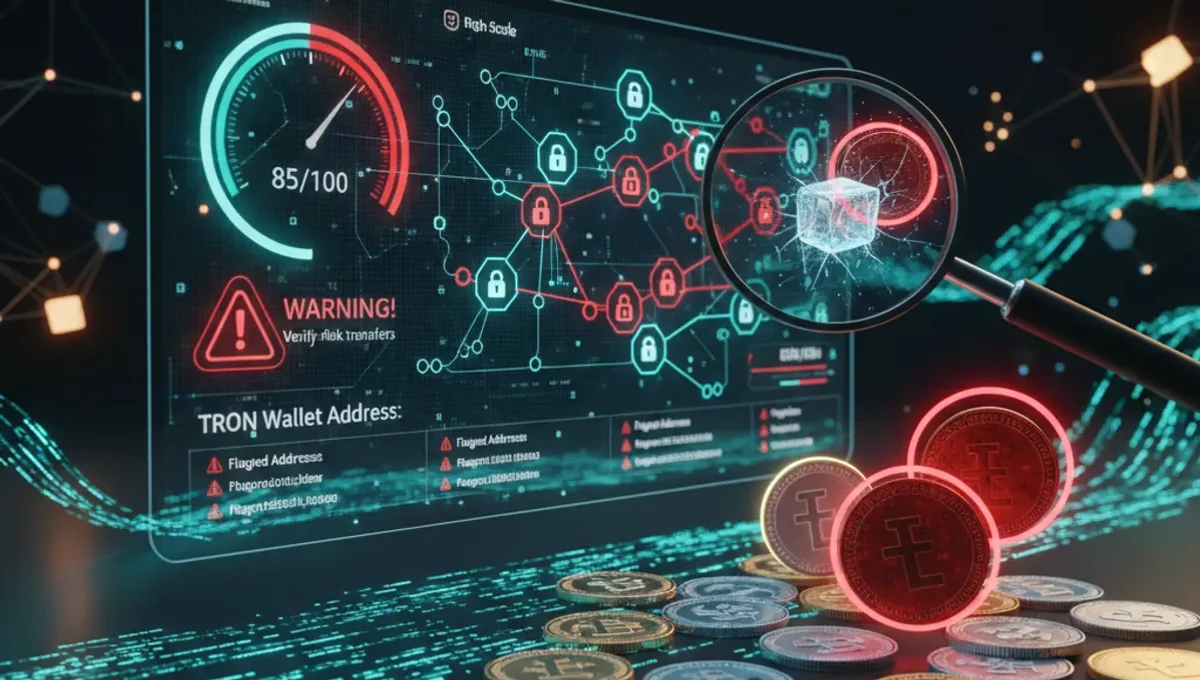
When you perform a TRON address lookup using an AML tool, you receive a risk score and category flags. Risk scores typically range from 0 (clean) to 100 (high risk). A score below 20 is generally acceptable for most transactions. Scores between 20 and 50 warrant caution—the address may have minor connections to risky behavior but isn't necessarily compromised. Scores above 50 indicate significant risk and should be avoided. Common flags include: darknet exposure (address received funds from known darknet markets), mixer usage (tokens passed through privacy mixers), stolen funds (coins traced to theft or hacks), sanctions (address linked to sanctioned entities or countries), and scam association (address used in known fraud schemes). Some addresses may show multiple flags. A TRON address checker cross-references your address against blockchain analytics databases and sanctions lists maintained by compliance providers. This lookup is essential before accepting large payments or moving funds to an exchange, as exchanges now screen deposits and can freeze accounts holding tainted coins.
Why Check a TRON Address: Real Risks of Tainted Coins
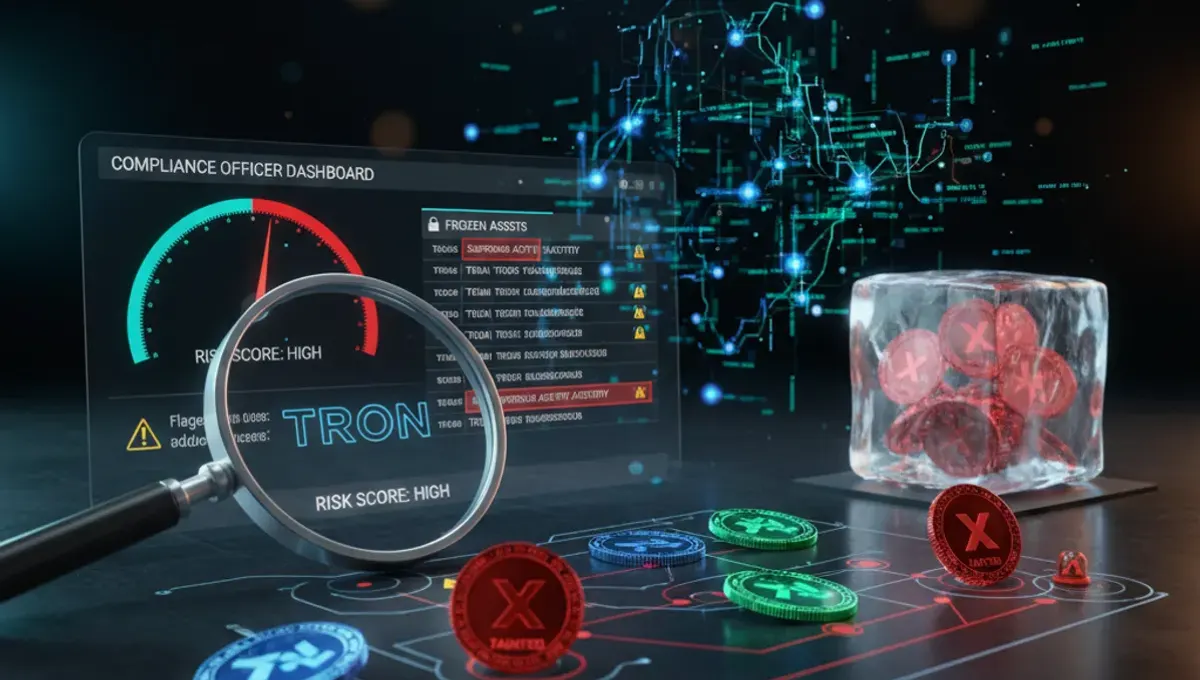
Checking a TRON address protects you from several concrete risks. First, exchanges now perform mandatory AML screening on deposits. If you send tainted USDT or TRX to your exchange account, the exchange's compliance system flags it, and your account may be frozen pending investigation. You could lose access to your funds for weeks or months. Second, receiving stolen coins makes you liable in some jurisdictions—you may be required to return them or face legal complications. Third, darknet-linked addresses indicate the sender may be involved in illegal activity, and accepting their payment could implicate you. Fourth, mixer-exposed coins have obscured provenance, making them harder to prove legitimate. Fifth, sanctioned addresses violate international law in many countries, and transacting with them can result in penalties. A simple TRON address check takes seconds and prevents these outcomes. The cost of checking is negligible compared to the risk of a frozen account or compliance investigation.
How to Use a TRON Address Checker Tool
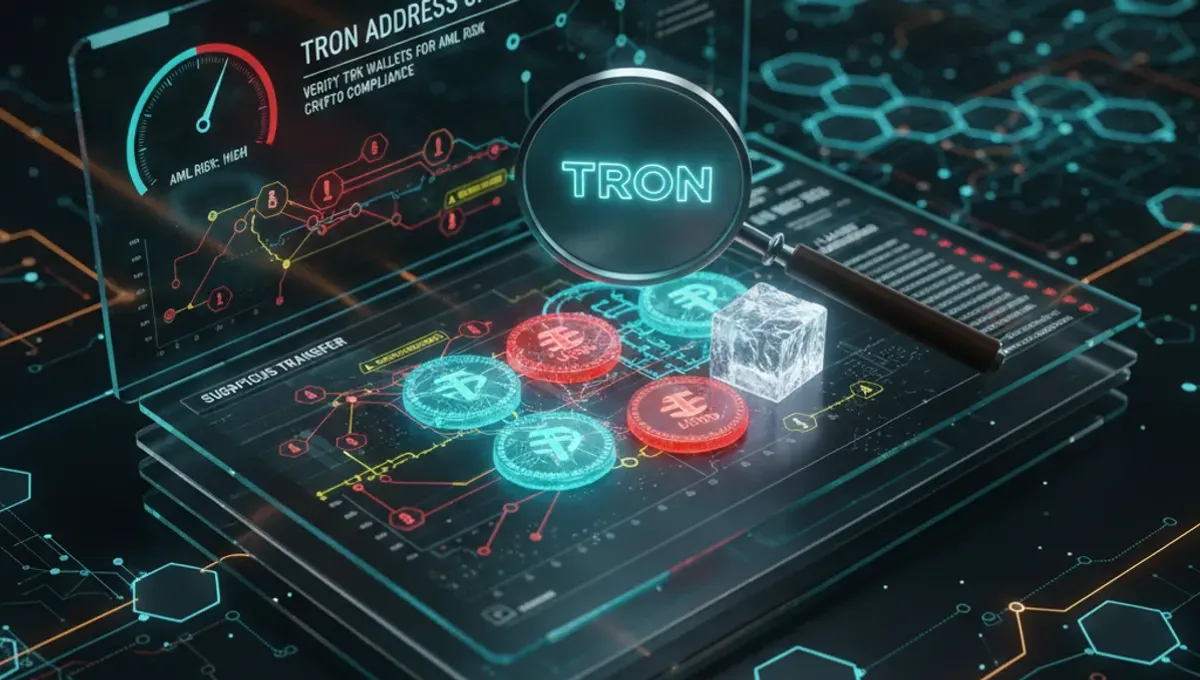
Most TRON address checkers work the same way. Visit the tool's website, paste your TRON address into the search field, and click 'Check' or 'Scan'. The tool queries blockchain analytics databases and returns results within seconds. Results typically display: the risk score, category flags, transaction history summary, balance, and any known associations (e.g., 'linked to exchange X' or 'received from mixer Y'). Some tools offer free checks with limited detail; others charge per scan or offer subscription plans for frequent users. For the most reliable results, use tools from our verified AML services list on this site, which have been vetted for accuracy and compliance with industry standards. Free tools often provide basic risk scoring but may miss nuanced flags or have outdated databases. If you're checking addresses regularly—for example, as a business receiving crypto payments—a subscription service is more cost-effective and provides better coverage. Always cross-check results with a block explorer like Tronscan to confirm transaction history independently.
What to Do If Your TRON Address Is Flagged as High Risk
If a TRON address checker flags your address as high risk, take these steps. First, review the specific flags to understand why. If the flag is 'received from mixer' or 'darknet exposure,' investigate your recent transactions—you may have unknowingly received tainted coins. Second, do not send those coins to an exchange; they will be rejected or your account will be frozen. Third, if the coins are yours and you believe the flag is incorrect, contact the AML service provider with evidence of the transaction's legitimacy. Fourth, consider using a TRON address lookup tool to trace the coin's origin further back on the blockchain. If the coins are confirmed tainted, you have limited options: hold them (they may never be usable), attempt to swap them for clean coins on a decentralized exchange (risky and often unsuccessful), or report the incident to law enforcement if you're a victim of theft. Prevention is far easier than remediation. Always check incoming addresses before accepting large payments, and verify senders' identities through out-of-band communication channels.
Acceptable Risk Thresholds and Best Practices
For most users, a TRON address with a risk score below 20 is safe to transact with. Scores between 20 and 40 are acceptable if the flags are minor (e.g., 'received from exchange' or 'low-volume mixer exposure'). Avoid any address scoring above 50 or flagged for darknet, stolen funds, or sanctions. Best practices: always check addresses before accepting payments over 1,000 USDT or significant TRX amounts. For recurring transactions with trusted partners, check their address once and document the result. If you're a business, implement a policy requiring AML checks on all incoming payments above a threshold (e.g., 500 USDT). Use the same AML service consistently so you understand its scoring methodology. Keep records of checks for compliance audits. Never assume an address is safe because it looks legitimate or comes from a known person—addresses can be compromised or spoofed. When in doubt, ask the sender to provide their address through a secure channel and verify it independently. These practices prevent costly account freezes and regulatory complications.
Frequently asked questions
How do I know if a TRON address is safe to send money to
Use a TRON address checker to scan it against AML databases. Look for a risk score below 20 and no flags for darknet, stolen funds, or sanctions. Check the address history on Tronscan to confirm recent activity. If the score is high or flags appear, do not send funds. Our verified AML services list provides reliable checking tools.
What does it mean if a TRON address is flagged for mixer exposure
Mixer exposure means the address received coins that passed through a privacy mixer—a service that obscures transaction history. This doesn't prove wrongdoing but indicates the sender used privacy tools. Exchanges often reject mixer-exposed coins. Avoid sending these coins to your exchange account, as it may trigger a freeze or investigation.
Can a TRON address be used for both TRX and USDT
Yes. A single TRON address can receive and send both TRX (TRON's native token) and TRC20 tokens like USDT. The address format is the same regardless of token type. When checking an address, the AML tool screens it for all token activity, so one check covers both TRX and USDT risk exposure.
What happens if I receive tainted USDT on my TRON address
If you send tainted USDT to an exchange, the exchange's compliance system will flag it. Your account may be frozen pending investigation, and you could lose access to funds for weeks. To avoid this, check all incoming addresses before accepting large USDT payments using a reliable TRON address checker.
Is it free to check a TRON address
Some TRON address checkers offer free basic scans with limited detail. Most reliable tools charge per check or offer subscription plans. For occasional checks, free tools suffice. For regular use, a subscription is more cost-effective. Our verified AML services list includes both free and paid options to suit your needs.