What Is Fake Crypto Wallet Screening and Why It Matters
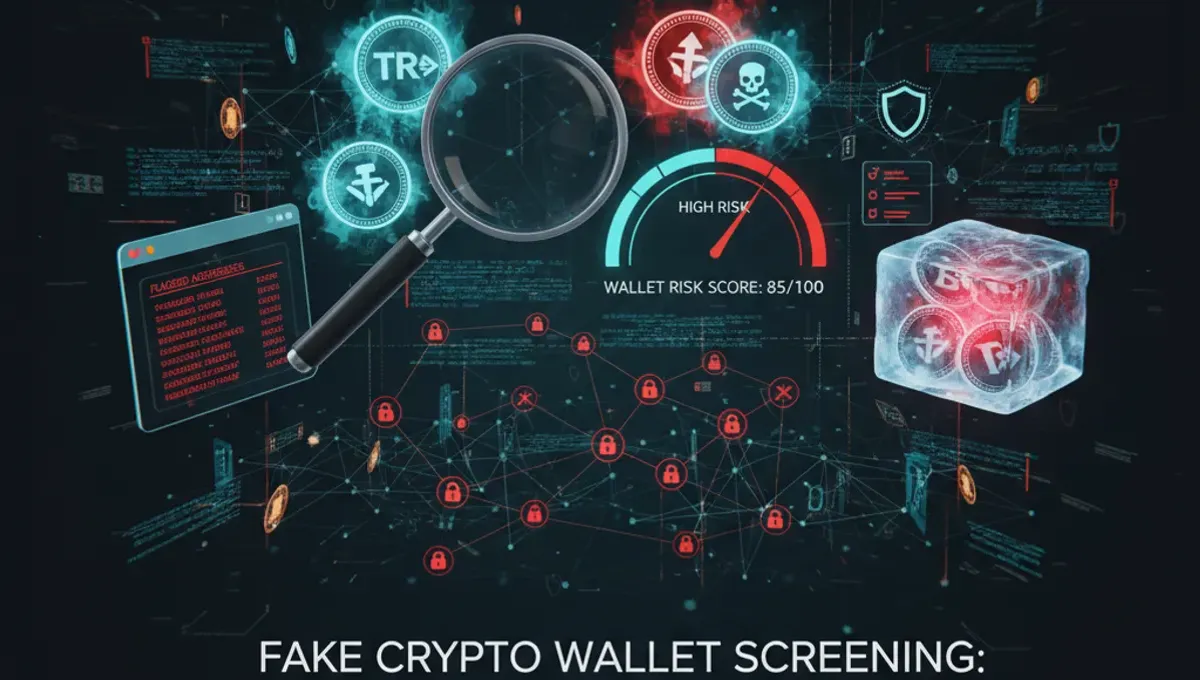
Fake crypto wallet screening combines blockchain analysis with AML (Anti-Money Laundering) compliance to verify the legitimacy and safety of a wallet address. Unlike a traditional wallet address check, which only confirms the address exists, screening examines the transaction history and risk profile of the wallet and its associated funds. When you receive cryptocurrency from an unknown sender, that money may have originated from a mixer, darknet marketplace, ransomware operation, or theft. Exchanges and payment processors flag wallets with high-risk histories, leading to frozen USDT, account bans, or regulatory investigation. A crypto wallet AML check before accepting payment prevents you from becoming an unwitting participant in money laundering and protects your business reputation and banking relationships.
How AML Crypto Wallet Screening Works
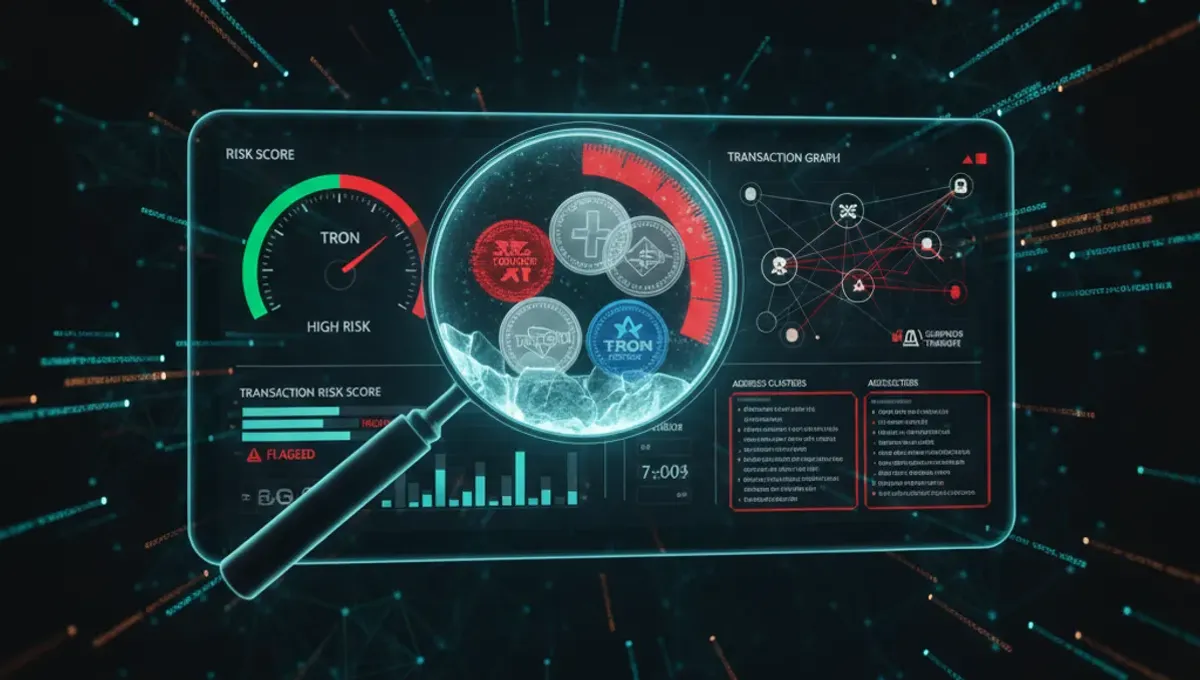
AML crypto wallet screening uses blockchain analytics to trace transaction flows and assign risk scores. The process works in stages: first, the screening service indexes the blockchain and identifies known high-risk addresses (darknet markets, mixers, sanctioned entities, scam wallets). Second, it traces the transaction history of the wallet you're checking, mapping inbound and outbound transfers. Third, it calculates a risk score based on proximity to flagged addresses, transaction patterns, and behavioral signals. A wallet that received funds directly from a known mixer or darknet market receives a higher risk score. The screening then cross-references the wallet against sanctions lists, stolen-funds databases, and known scam addresses. This analysis happens in seconds, returning a risk score and detailed risk categories (mixer exposure, darknet activity, stolen funds, gambling, sanctions). The result tells you whether the wallet is clean, moderate-risk, or high-risk.
How to Check a Crypto Wallet Before Accepting Payment
To screen a wallet before accepting payment, follow these steps:
- Copy the wallet address you intend to receive funds from (ensure it is a full, valid address for the correct blockchain—TRC20 for USDT on Tron, for example).
- Visit a trusted AML screening service. Cryptopricecheck.org maintains a curated list of verified AML services on our AML Services page; starting there ensures you use a reputable provider.
- Paste the wallet address into the screening tool and select the blockchain (Tron, Ethereum, Bitcoin, etc.).
- Review the risk score and detailed findings. Most services display risk categories (mixer exposure, darknet activity, stolen funds, sanctions, gambling) and transaction history.
- Decide based on your risk tolerance. A low or clean risk score indicates the wallet is safe. A moderate score may be acceptable depending on your business policy. A high score should trigger rejection or further investigation.
- Document the screening result for compliance records. If you later face regulatory questions, proof of wallet screening demonstrates due diligence.
Understanding Risk Scores and Acceptable Thresholds
Risk scores typically range from 0 (clean) to 100 (high-risk), though scoring systems vary by service. A score of 0–20 indicates minimal risk; the wallet has no known connection to darknet markets, mixers, or stolen funds. A score of 21–50 suggests moderate risk; the wallet may have received funds through a mixer or has distant links to flagged addresses, but no direct criminal activity is detected. A score of 51–100 signals high risk; the wallet has direct exposure to darknet markets, ransomware, scams, or sanctions lists. For business transactions, most compliance teams accept scores below 30. Scores between 30–50 require manual review or rejection depending on transaction size and counterparty relationship. Scores above 50 should be rejected outright. Your acceptable threshold depends on your industry, regulatory environment, and risk appetite. Exchanges and payment processors typically freeze accounts that receive high-risk USDT or TRX, so conservative thresholds protect your operations.
Common Risk Categories in Wallet Screening
When you run an AML check on a crypto wallet, the screening report identifies specific risk categories:
- Mixer exposure: The wallet received funds from or sent funds to a cryptocurrency mixer, which obscures transaction trails.
- Darknet activity: The wallet is linked to known darknet marketplaces or has received funds from darknet addresses.
- Stolen funds: The wallet received cryptocurrency from a confirmed theft, hack, or ransomware attack.
- Sanctions: The wallet is associated with a sanctioned entity, individual, or jurisdiction under international sanctions programs.
- Gambling: The wallet has transacted with gambling platforms; some compliance frameworks flag this as higher-risk.
- Scam activity: The wallet is linked to known Ponzi schemes, rug pulls, or other scams.
A single wallet may show multiple risk categories. For example, a wallet that received funds from a darknet market and then sent them through a mixer would flag for both darknet activity and mixer exposure. Understanding these categories helps you assess the specific nature of the risk and decide whether to accept or reject the transaction.
What Happens If Your Coins Are Flagged as Dirty
If you receive cryptocurrency flagged as dirty or high-risk, your options are limited. First, most exchanges will not allow you to deposit high-risk USDT or TRX into your account; the deposit will be rejected or frozen pending investigation. Second, if you do manage to deposit flagged coins, the exchange may freeze your account entirely, preventing you from withdrawing or trading. Third, your account may be permanently closed, and your funds held while the exchange conducts compliance review. Fourth, in severe cases, law enforcement or financial regulators may investigate your account if the funds are linked to serious crimes like ransomware or sanctions violations. The best defense is to screen wallets before accepting payment. If you have already received flagged coins, contact the exchange immediately to disclose the situation and provide proof of the screening report. Transparency and documentation of your due diligence can mitigate regulatory risk, but there is no guarantee the funds will be released. Prevention through wallet screening is far more effective than remediation.
Best Practices for Avoiding Tainted Cryptocurrency
To minimize exposure to tainted coins and maintain a clean compliance record, adopt these practices:
- Screen every wallet before accepting payment, regardless of transaction size or counterparty reputation.
- Set a clear risk threshold for your business and enforce it consistently. Document your policy.
- Use only verified AML screening services. Cryptopricecheck.org's curated AML Services list provides access to trusted providers with proven blockchain analytics capabilities.
- Request wallet screening results from counterparties in advance. Reputable businesses will provide proof of their wallet's clean status.
- Maintain detailed records of all screening results, including timestamps, risk scores, and decision rationale.
- For high-value transactions, consider using multiple screening services to cross-verify results.
- Stay informed about emerging risk categories. Darknet markets, mixer services, and scam operations evolve; screening tools are updated regularly to reflect new threats.
- If a counterparty refuses to provide a wallet address or resists screening, treat this as a red flag and decline the transaction.
These practices are standard in regulated financial services and increasingly expected in crypto business operations.
Frequently asked questions
What is the difference between a crypto wallet check and AML wallet screening?
A basic wallet check confirms an address exists and may show balance or transaction count. AML wallet screening analyzes the wallet's transaction history, risk profile, and links to known illegal activity (darknet, mixers, stolen funds, sanctions). Screening provides a risk score and compliance assessment; a basic check does not.
Can I check a crypto wallet for free?
Some AML screening services offer limited free checks (often one or two per day or per account). Most comprehensive screening requires a paid subscription or per-check fee. Free tools may have lower accuracy or slower updates. For business use, paid services are recommended. Check the AML Services page on Cryptopricecheck.org for verified providers offering free trials or affordable plans.
How long does a crypto wallet AML check take?
Most AML screening services return results in seconds to minutes. The blockchain analysis is automated, so you receive a risk score and detailed report almost instantly. Some services may take longer if they perform additional manual review for high-risk wallets, but this is rare for standard screening requests.
What should I do if a wallet I want to receive payment from has a high risk score?
Reject the transaction or request an alternative payment method from a clean wallet. A high risk score indicates exposure to darknet activity, stolen funds, or sanctions. Accepting payment from a high-risk wallet can result in your exchange account being frozen or closed. Document your decision and screening result for compliance records.
Are wallet screening results admissible as proof of due diligence?
Yes. Documented wallet screening results demonstrate that you performed reasonable AML due diligence before accepting payment. In regulatory investigations or compliance audits, proof of screening can support your defense that you acted in good faith. Always retain screening reports with timestamps and decision notes.