What Is a Wallet Check
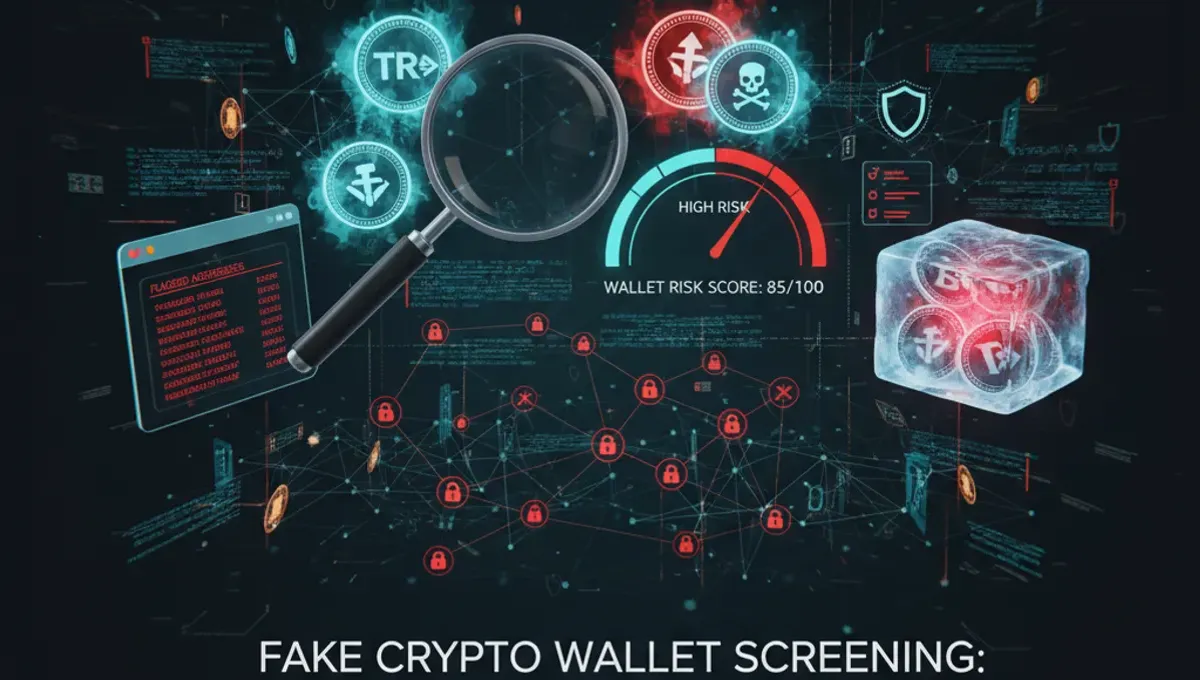
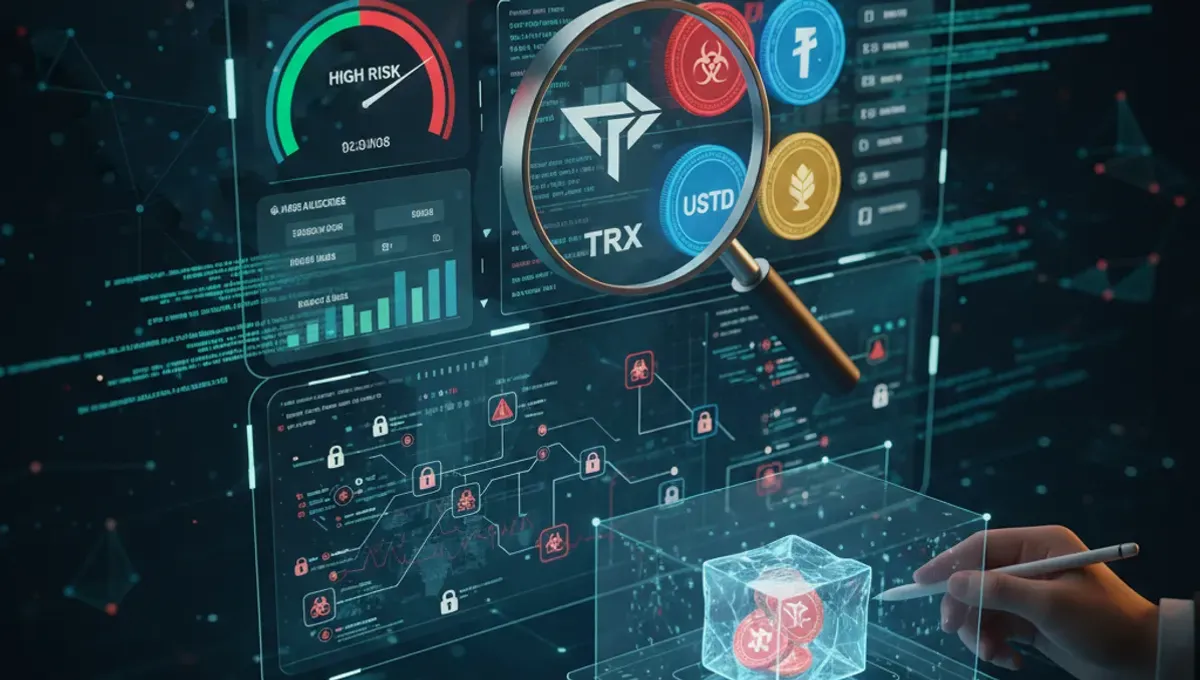
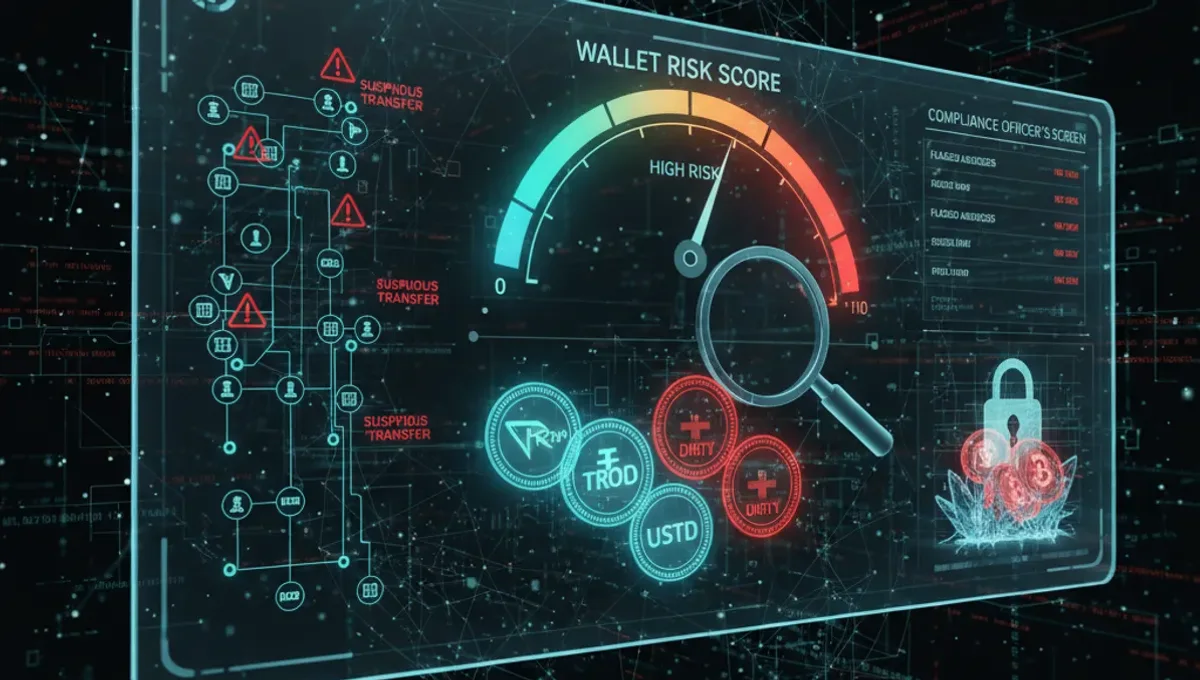
A wallet check is a compliance scan of a cryptocurrency address to identify whether it has received, sent, or interacted with high-risk funds. The check compares the wallet's transaction history against multiple data sources: darknet marketplace wallets, known theft addresses, sanctioned entity wallets, mixer and tumbler outputs, and scam-linked addresses. The result is a risk score—typically ranging from low to critical—that tells you whether the wallet poses a compliance or financial risk. Exchanges, payment processors, and institutional buyers use wallet checks before accepting deposits or payments to avoid regulatory penalties and account freezes.
How Does Crypto Wallet Screening Work
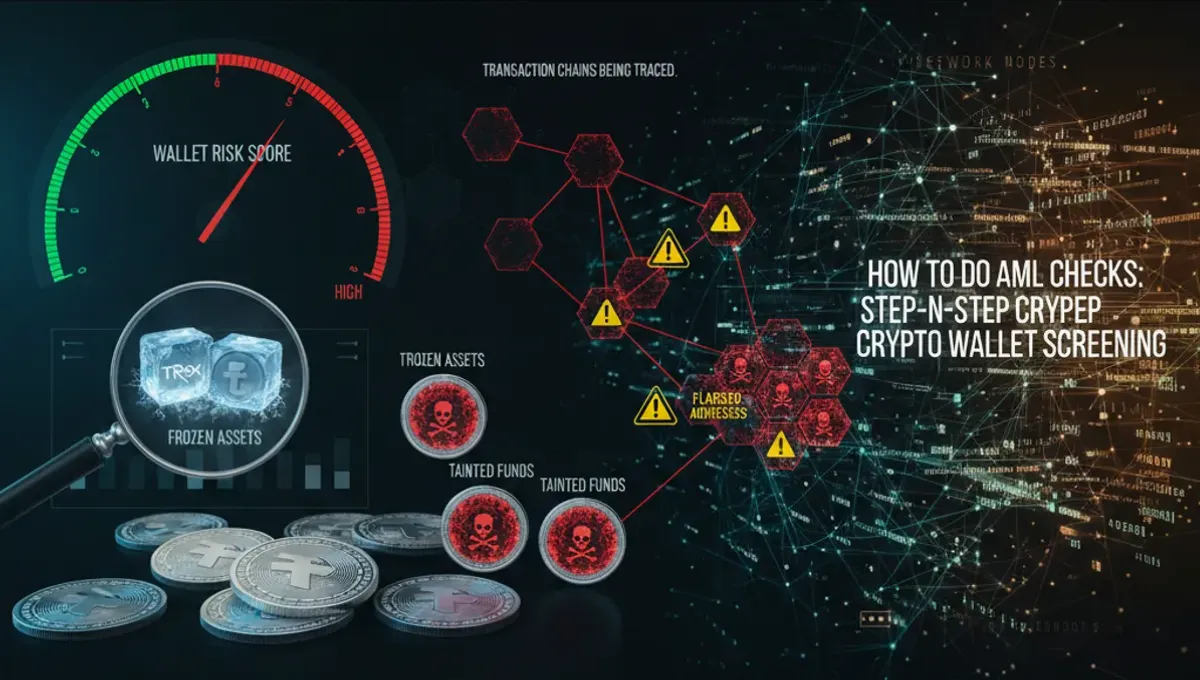
Crypto wallet screening analyzes the on-chain transaction history of an address by tracing fund flows backward and forward. The screening engine tags addresses linked to known risk categories: mixers (which obscure fund origins), darknet markets, theft incidents, ransomware payments, gambling platforms, and sanctioned jurisdictions. Each transaction is scored based on the number of hops from a flagged source and the recency of the connection. A wallet that received funds directly from a mixer yesterday scores higher risk than one that touched a mixer address three years ago. The final risk score reflects the probability that the wallet's funds are tainted or subject to regulatory action.
How to Check a Crypto Wallet Before Accepting Payment
To check a crypto wallet, follow these steps:
- Collect the sender's full wallet address (copy the entire string; even one character error will produce a false result).
- Visit a trusted AML check service—our curated list of verified AML services on this site includes tools that screen Bitcoin, Ethereum, USDT, and Tron addresses.
- Paste the address into the screening tool and initiate the scan.
- Review the risk score and the detailed report, which typically shows flagged transaction links, risk categories, and the number of hops from known bad actors.
- Decide whether to accept the payment based on your risk tolerance and compliance policy.
For high-volume traders, batch screening tools allow you to check multiple addresses at once. Always verify the address format matches the blockchain (e.g., Tron addresses start with T; Ethereum addresses start with 0x).
What Do Wallet Risk Scores Mean
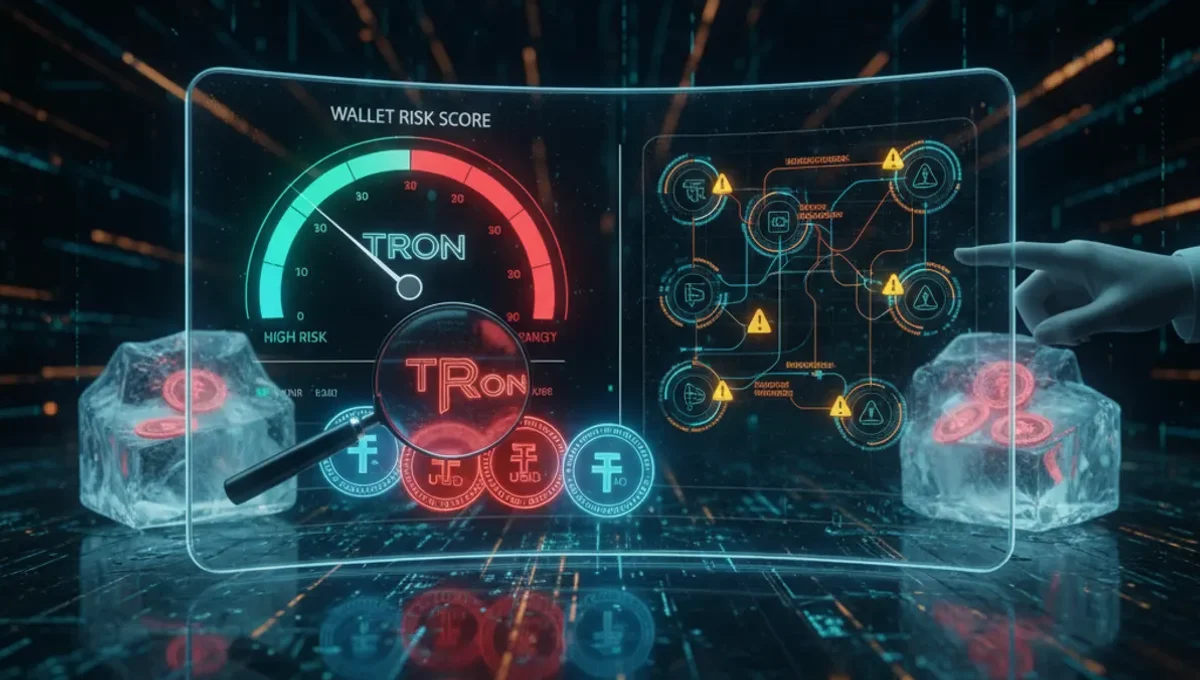
Risk scores translate on-chain analysis into a single number or category. Most services use a scale of 0–100 or low/medium/high/critical. A score of 0–20 typically indicates no detected risk; the wallet has no known links to theft, sanctions, or darknet activity. A score of 21–50 suggests low to moderate risk—perhaps a distant connection to a mixer or a transaction from a wallet that once touched a flagged address. Scores of 51–80 indicate elevated risk; the wallet has direct or recent links to known bad actors. A score above 80 or marked critical means the wallet is actively linked to theft, darknet markets, or sanctions lists. Exchanges often reject deposits from wallets scoring above 50 or 60, depending on their compliance stance. Your acceptable threshold depends on your business model and regulatory jurisdiction.
What Happens If Your Coins Are Flagged as Dirty
If you receive or hold coins flagged as tainted, your exchange account is at risk of freezing or permanent closure. Exchanges perform AML checks on deposits; if a wallet's funds are linked to theft or sanctions, the exchange may: freeze your account pending investigation, seize the flagged funds, close your account and return remaining balances, or report the activity to financial authorities. Even if you acquired the coins unknowingly, you cannot spend or withdraw them without triggering compliance alerts. Stolen crypto cannot be recovered by you; it remains the property of the original victim or their insurance. The best defense is to screen wallets before accepting payment. If you suspect you hold tainted coins, contact your exchange's compliance team immediately—transparency may reduce penalties.
Why AML Checks Cost Money and What Affects Pricing
AML checks cost money because they require access to proprietary blockchain analysis databases, real-time transaction monitoring, and compliance infrastructure. Providers invest in maintaining and updating their risk databases, which include feeds from law enforcement, theft reports, and darknet research. AML checks cost varies by service: some offer free checks with limited detail or a small number of free scans per month, while others charge per address or per batch. Pricing factors include: the number of blockchains covered (Bitcoin, Ethereum, Tron, etc.), the depth of historical analysis (how far back the tool traces transactions), real-time updates versus periodic refreshes, and whether you need API access for automated screening. High-volume users typically pay less per check through subscription or batch pricing. Our curated list of verified AML services on this site shows transparent pricing so you can compare AML checks cost and choose the right tool for your volume.
How to Avoid Receiving Tainted Crypto
Protect yourself by implementing these practices:
- Screen every wallet before accepting payment—do not rely on the sender's word that funds are clean.
- Set a risk threshold for your business (e.g., reject any wallet scoring above 50) and enforce it consistently.
- Request invoices or documentation from business partners; legitimate senders can provide proof of fund origin.
- Use payment processors or exchanges that perform AML checks on your behalf—this shifts some compliance burden to them.
- Educate your team on red flags: unsolicited large payments, requests to move funds quickly, or senders unwilling to provide wallet details.
- Keep records of every wallet check you perform; regulators may ask for proof of your due diligence.
- Monitor your holdings for compliance alerts from your exchange; if a wallet you own is flagged, report it to your exchange immediately.
Regular wallet screening is the most cost-effective way to avoid frozen accounts and regulatory fines.
Frequently asked questions
Can I check a wallet for free
Some AML services offer free checks with limits—typically one or two scans per day or per month, with basic risk scoring. Full reports with detailed transaction history usually require payment. Free checks are useful for occasional screening; high-volume users should compare pricing on our verified AML services list to find the best value.
How long does a wallet check take
Most wallet checks complete in seconds to a few minutes. The time depends on the wallet's transaction history size and the service's server load. Real-time screening is standard; if a check takes longer than 5 minutes, the service may be experiencing delays. Batch checks of multiple addresses may take longer.
What blockchains can I screen with wallet checks
Major services screen Bitcoin, Ethereum, Tron, and stablecoins like USDT and USDC. Coverage varies by provider; some also include Litecoin, Bitcoin Cash, and other chains. Verify that your service covers the specific blockchain and token you need before purchasing a check.
Will a wallet check reveal who owns the address
No. Wallet checks reveal only on-chain transaction history and risk factors. They do not identify the owner's name, location, or identity unless the address is publicly linked to a known entity (e.g., a labeled exchange wallet). For identity verification, you need KYC (know-your-customer) data, which is separate from AML screening.
What should I do if a wallet scores high risk
Do not accept payment from a high-risk wallet unless you have a strong business reason and your compliance team approves it. If you already hold flagged coins, contact your exchange immediately. High-risk wallets are often frozen by exchanges, so moving or spending the funds may be impossible. Always screen before accepting.